
The Myth of the Shoegaze Comeback
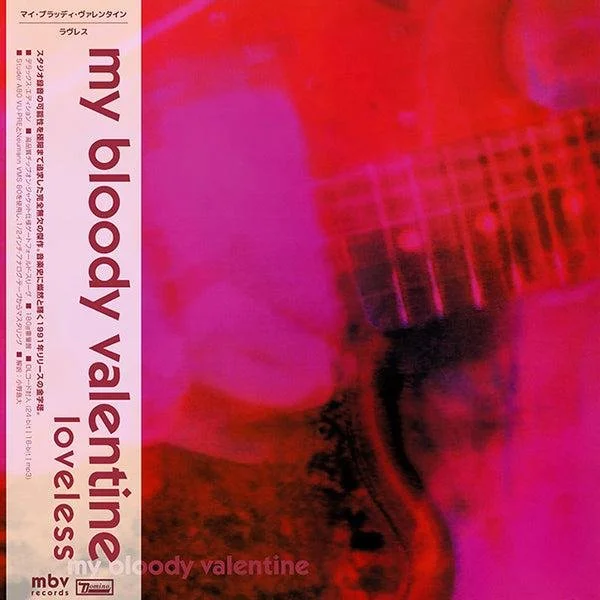
My Bloody Valentine – Loveless
Shoegaze has always had a strange relationship with time. It never really disappears in the way other genres seem to do. Most genres experience a rise, a fall, and eventually become tied to a specific moment in cultural history. Shoegaze, by contrast, mutates and re-emerges in new hazy forms once the cultural conditions catch up to it again. To understand why, we need to understand how the genre was built in the first place.
Shoegaze works unusually well in modern digital culture because the genre was built around atmosphere, ambiguity, emotional distance and immersion. What once felt anti-commercial… blurred vocals, indecipherable lyrics… now feels completely natural within our algorithmic, mood-led media environment where we are starved of atmosphere and saturated with information.
Shoegaze didn’t begin as a clearly defined movement. Its foundations stretch back to when bands and acts started to explore texture over traditional structure. Groups like Wire pushed punk into more minimal, conceptual forms. The Cure and Siouxsie and the Banshees shifted post-punk away from confrontation and toward emotional distance, restraint, and atmosphere. All qualities that later became central to shoegaze.
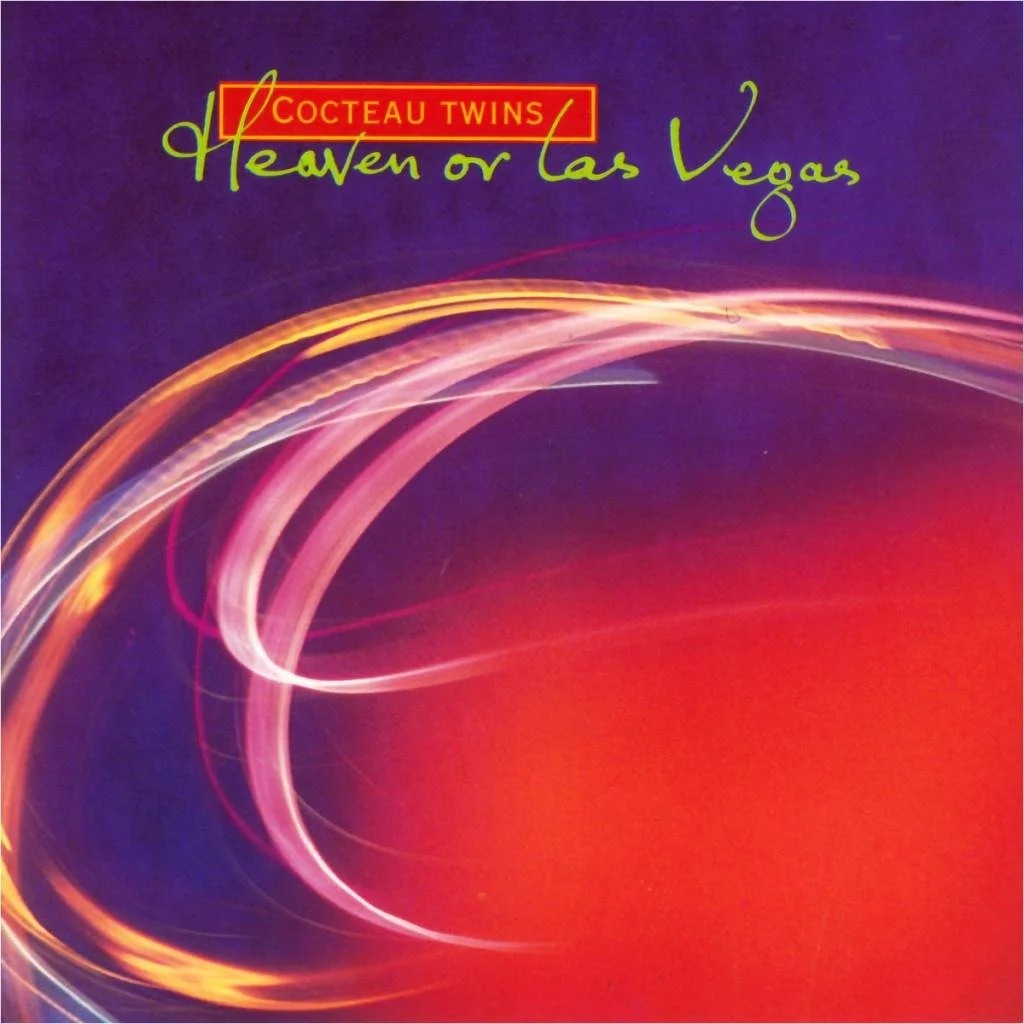
Cocteau Twins – Heaven or Las Vegas
At the same time, dreampop was forming almost in parallel. Cocteau Twins treated the voice as another layer of dissolving instrumentation. We also have to thank labels like 4AD who pushed bands like Lush and Pale Saints into increasingly textured, atmospheric territory. On the heavier side, The Jesus and Mary Chain and Sonic Youth were reframing noise and distortion as texture and atmosphere rather than purely aggression or destruction.
By the late 1980s and early 1990s, these threads converged in what became the first true shoegaze wave. My Bloody Valentine defined its extremes with Loveless. Alongside them, Ride leaned into melody, Slowdive moved toward more ambient and spacious forms, and bands like Swervedriver and Chapterhouse explored a more grounded, guitar-driven variation of the sound.
By the mid-1990s, shoegaze was displaced culturally by more immediate forms of guitar music. Britpop comes to mind, with Oasis becoming its most visible mainstream figurehead. Shoegaze, by contrast, was anti-performative on stage and inward-facing in presentation, which meant it struggled in an era that rewarded swagger, clarity, and celebrity visibility. The genre didn’t vanish so much as dissolve into other directions, carried forward in fragments rather than as a unified scene. If we look a few years ahead, acts like The Radio Dept., Asobi Seksu, and Ringo Deathstarr are still extending those ideas.
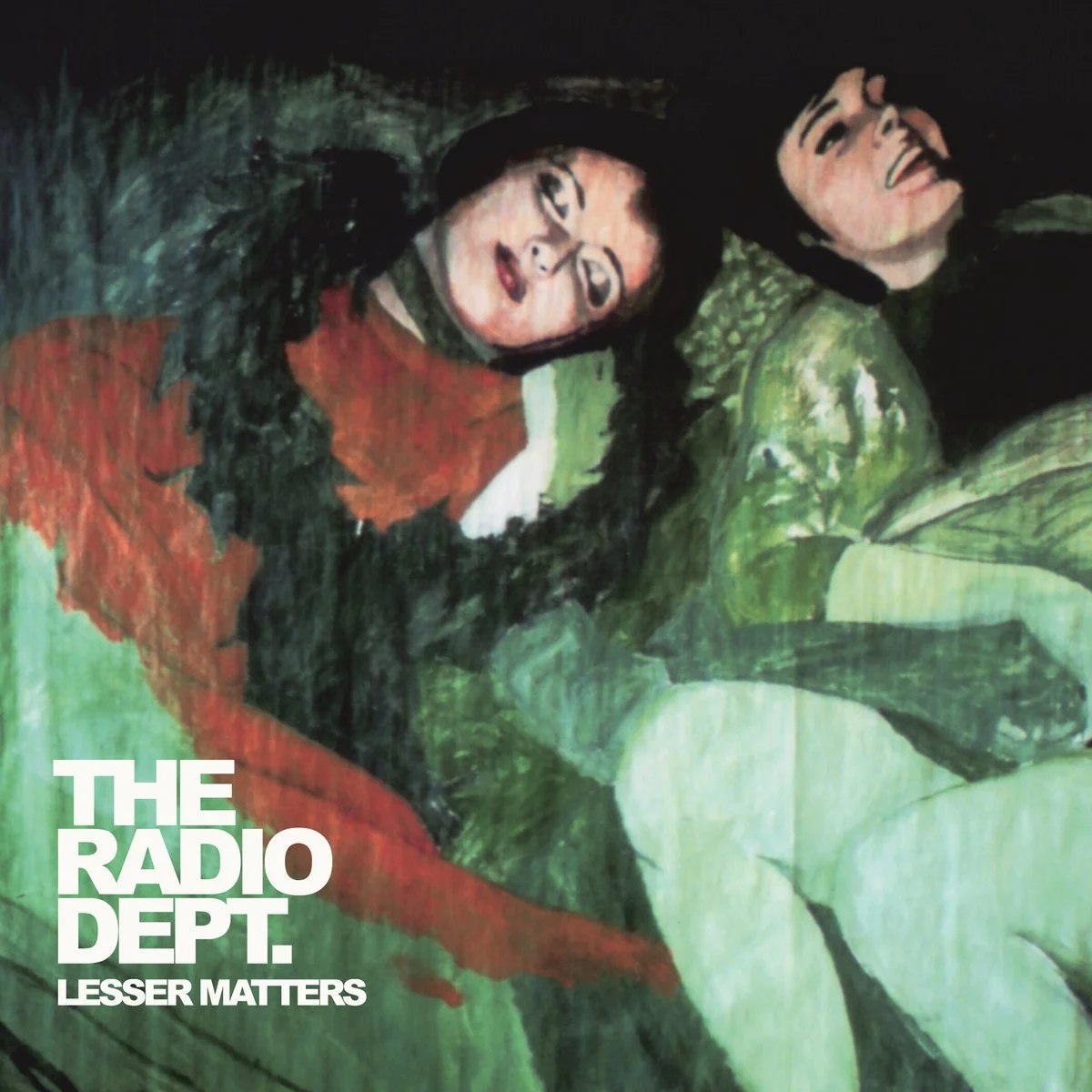
The Radio Dept. – Lesser Matters
This is where the “comeback” narrative begins… but arguably it is not a revival, just a slow reassembly of aesthetics through multiple channels at once. The collection of scattered fragments across different genres. With the rise of streaming platforms, listening became less about strict genre boundaries and more about algorithmically shaped moods. Film increasingly favoured softness, blur, grain, and VHS decay nostalgia. On social media, we are constantly exposed yet emotionally filtered, and we often communicate in fragments rather than direct statements. That alignment between sound and image mattered. Shoegaze became a usable emotional palette. It reappeared not because it was revived… but because it matched the mood of digital life.
This is where the earlier framing becomes important. Saying the genre is “making a comeback” suggests a simple rise, fall, rebirth. Something cyclical. Arguably that frame doesn’t fully apply here. Shoegaze didn’t restart… it spread out… diluted and embedded itself into other genres… even in places like Blur’s 13, where its influence can be felt as part of a wider turn toward more textural, experimental production within Britpop. It then converged again when culture and technology began rewarding the same qualities it was built on in the first place. The core aesthetic of shoegaze fits the current cultural environment more closely than ever before. Shoegaze… It was never really gone… the world just finally caught back up to it.