
In Defense of Lo-Fi
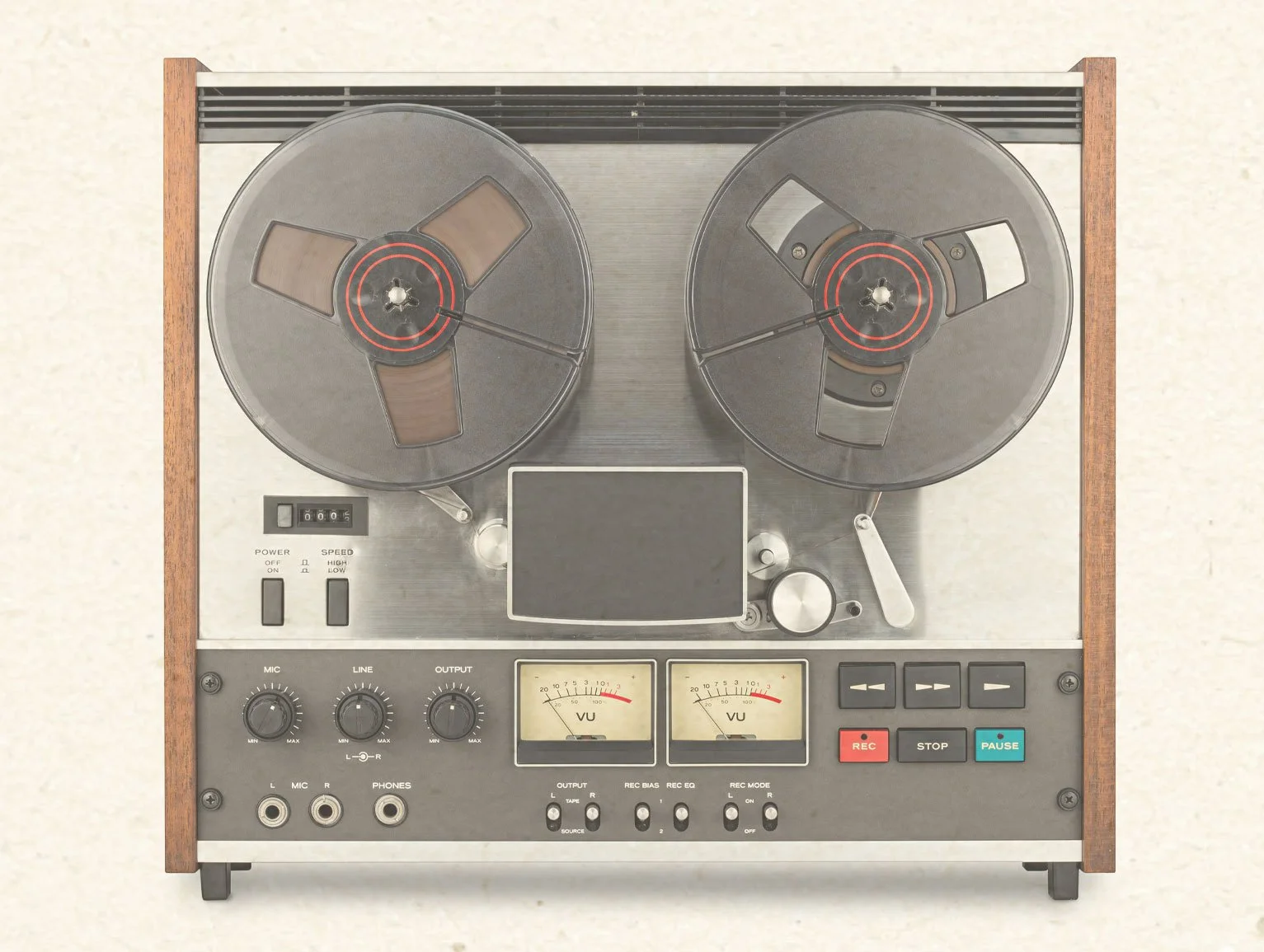
There’s something about a song that sounds a bit broken– not necessarily by design or in its subject matter, but in the way that the imperfections naturally and gently reveal themselves. It’s in these moments that the music begins to feel authentically human.
What we mean by lo-fi
Hearing a song and calling it “lo-fi” does not imply that the track is “bad quality.” There are many imperfections intentionally left in a recording that lend it a sense of honesty. These can come in the form of warbling tape, sound bleed, room noise, and even the occasional sour note. Often, rerecording the same song in pursuit of perfection can drain it of emotional integrity, which is why our blog tends to gravitate toward folk and garage rock.
Why it feels more human
Human existence is imperfect. No one wakes up planning to make mistakes, but maybe we burn our toast a bit, or squeeze too much toothpaste onto the toothbrush. It doesn’t mean we start over– it still gets the job done, and most people won’t notice the difference. When music reflects that same natural imperfection, it tends to land a little closer to home than something overly polished. It brings to mind the way Justin Vernon (Bon Iver) initially approached For Emma, Forever Ago, intending it as a demo before eventually recording it with a full band. But in releasing it as-is, with the room noise, the occasional timing issues, even the need to turn it up a bit to match more polished releases, it ends up sounding like he’s in the room with us.
Most people are solitary listeners. We are commuting to our jobs, putting on our headphones to exercise or study, or we’re throwing on a record to become ourselves again at the end of the day. Hearing the breaths between each line of a verse or the slight scrapes of strings between guitar chords reminds us that there’s another human at the other end of the sound wave, allowing us to feel a little more human ourselves.
The cost of perfection
We completely understand that there is a time and place for commercial polish, such as the dance floor or most modern radio. But smoothing everything into place with digital rhythms, pristine synths, or perfectly tuned vocals can cause many of those small, human moments to disappear. And when those details are stripped away, we start to lose sight of why we initially connected with music.
Music doesn’t have to be perfect in order to resonate. We’re drawn to it because it reflects something familiar– something a little uneven, a little unpredictable. What better way to connect with sound than to find something that mirrors our own imperfect lives. This is why our blog exists in the first place.
You may also like: Best Indie Songs for Late-Night Drives, Artists Like Phoebe Bridgers, Artists Like Elliott Smith, What Is Lo-Fi Music?, The Return of Analog Recording, 14 Artists Like Tame Impala