
Through the Lens of Elliott Smith: Quiet Songs for Heavy Hearts
Elliott Smith’s influence stretches far beyond the hushed, layered vocals and acoustic guitars of his 4-track recordings. If you’ve read any of our articles on lo-fi music, you already know that his spirit lives on in artists who understand restraint, intimacy, and the tender ache of a perfectly delivered lyric. Through the lens of Smith’s songwriting, here are a few artists from our archive that deserve your attention:

Fairhazel – “It Takes Time”
Fairhazel’s “It Takes Time” opens with delicate acoustic guitar and soft piano notes, slowly unfolding into a lush and vulnerable indie folk arrangement. Fans of Elliott Smith, Sufjan Stevens, and early Bon Iver will feel right at home within the layered falsetto, subtle harmonies, and emotionally resonant atmosphere. “It Takes Time” has been so carefully crafted that it practically demands repeat listens.

Justin Sconza – “If I Could Do It All Over Again”
Chicago-based Justin Sconza typically wins us over with each release, but one of the standout moments would be “If I Could Do It All Over Again.” This one is built on a chill drum groove and warm electric guitars, recalling the warmth of both Elliott Smith and mid-’70s John Lennon. A piano and harmonica deepen the song’s nostalgic atmosphere, while Sconza’s soft vocal delivery brings an added layer of emotional honesty.
No Lonesome – “Cool Waters”
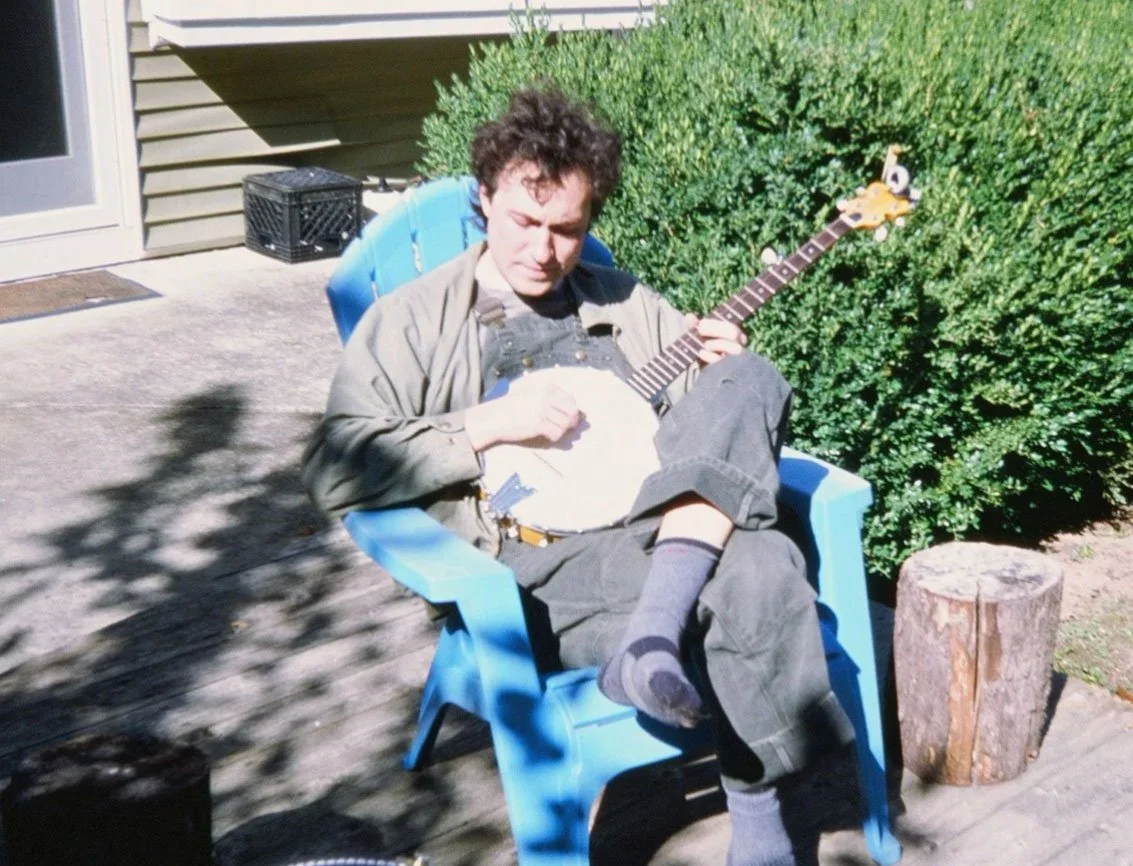
Speaking of Chicago, No Lonesome brought us “Cool Waters,” a delightfully lo-fi indie folk tune overflowing with warmth and character. The intimate acoustic guitar, pulsating bass, and subtle background chatter allow the track to create the comforting illusion of being surrounded by friends while listening alone. The grainy production carries traces of Smith’s lo-fi spirit, and also allows “Cool Waters” to sit in the niche carved out by Dr. Dog and Big Thief.

august for dawn – “Methanol”
august for dawn’s “Methanol” captures the kind of raw immediacy that makes listeners feel as though they are sitting in the room during the recording process. The textured vocal performance carries clear traces of Elliott Smith, filling the track with warmth, melody, and emotional depth, despite its minimal instrumentation. As falsettos and subtle synth elements slowly emerge, “Methanol” settles into a reflective and deeply immersive atmosphere that practically invites repeat listens.
Stefan J. Selbert – “You Live Where It’s Cold”
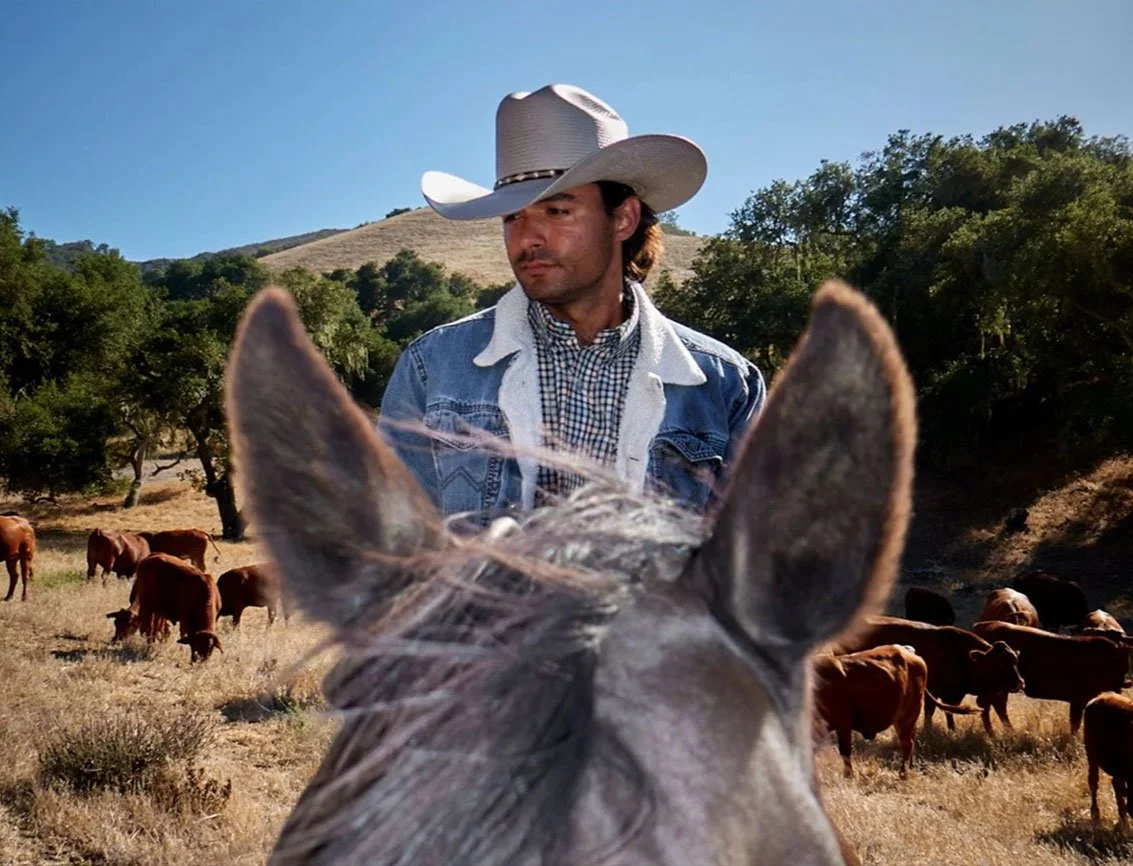
We generally feature every song that California-based Stefan J. Selbert sends over to us, and “You Live Where It’s Cold” is an emotionally immersive entry into the world of indie folk. Opening with raw, lo-fi acoustic guitar, the track creates the feeling of a private performance unfolding right in front of the listener. Selbert’s layered vocal balances modern textures with raw emotional grit, and as it gradually expands into a full-band performance, “You Live Where It’s Cold” reveals itself as a deeply human listening experience.

S. T. Manville – “How To Belong”
From England, S. T. Manville first caught our attention via Spotify’s “Fans also like” rabbit hole, and one listen to “How To Belong” made the Elliott Smith comparisons impossible to ignore. Built around dark, melancholic guitar textures and double-tracked vocals, the song captures a raw vulnerability that’s perfect for late-night listening sessions. Moody and intimate, “How To Belong” carries a deep sense of longing and emotional exhaustion.

Niall Summerton – “Tread Water”
And finally, you simply should not pass up any opportunity to hear Niall Summerton’s “Tread Water.” This North Yorkshire-based singer-songwriter delivers a soothing slice of indie folk that carries all the resonance of a private voice memo. Summerton’s multilayered vocal delivery recalls the fragile sincerity of both Elliott Smith and Sufjan Stevens, while subtle ambient details add an extra sense of humanity to the recording.
Here’s a playlist:
All of these artists share a commitment to emotional integrity, understated songwriting, and the kind of quiet intimacy that lingers long after the music ends. In a world increasingly built around noise, these are the kinds of artists that remind us why we fell in love with the music of Elliott Smith in the first place.
You may also enjoy: Best Indie Songs for Late-Night Drives, Artists Like Adrianne Lenker, Artists Like Phoebe Bridgers, Artists Like Gregory Alan Isakov, In Defense of Lo-Fi Music, What Is Lo-Fi Music?, The Return of Analog Recording, 14 Artists Like Tame Impala, The Return of Physical Media
-TM