
The Return of Physical Media
Streaming didn’t kill music. It killed your relationship with it.
We have never had more access to music, over 100 million songs just on Spotify, yet we feel less connected to it. As philosopher Marshall McLuhan argued, “The medium is the message.” It is not just what we consume, but how we consume it that shapes the experience itself.
Algorithmic feeds have been designed, engineered and refined for constant shallow engagement. The endless doomscroll that prioritises instant access over meaningful depth.
Things vs Non-Things: The Philosophy of Attachment
Philosopher Byung-Chul Han distinguishes between “things” and “non-things.” Things possess weight, duration and resistance. You can return to them, live with them and gradually form a relationship with them. Non-things are frictionless and fleeting, endlessly passing through us only to be replaced by the next stimulus.
Friction, Attention, and Memory
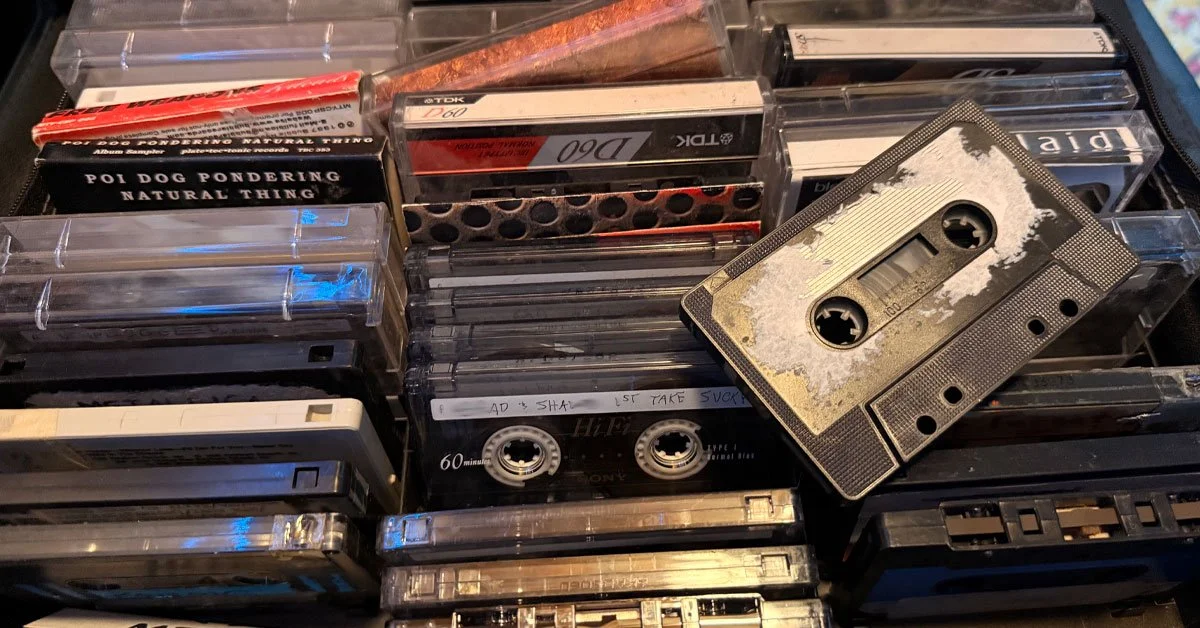
The tech giants, in their endless pursuit of eliminating friction from consumption, we lost something. We lost and forgot that friction can actually deepen experiences. You are less likely to skip a record you placed on a turntable or a cassette where the joins between tracks aren’t obvious. That effort creates a focused and attentive form of listening. Twenty years from now, you are probably more likely to remember a photograph sitting in a shoebox than one buried on a hard drive. Instant access does not automatically create meaningful attachment.
Music as Ritual and Memory
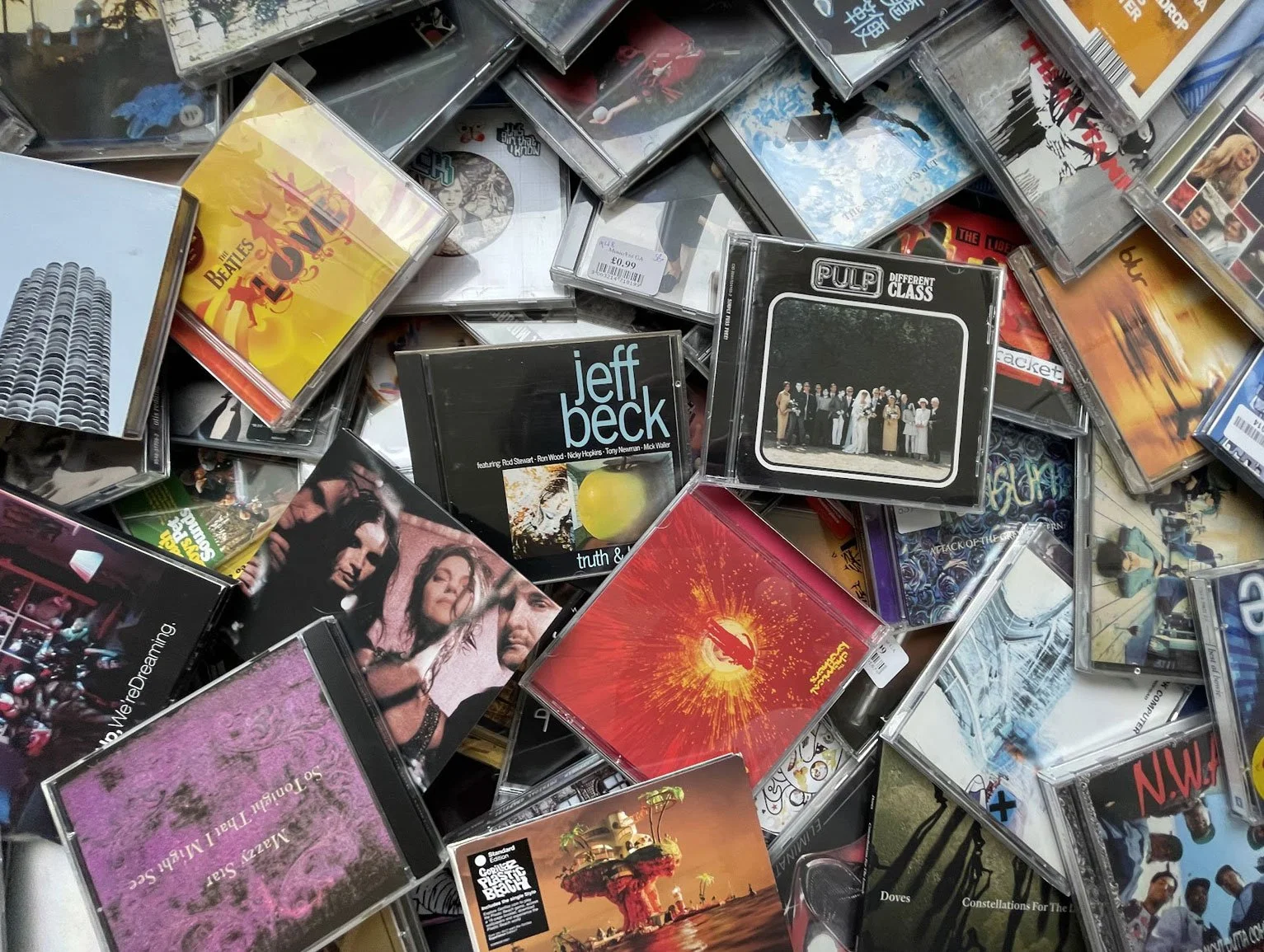
Music once marked periods of life because it demanded commitment. You bought the album from a shop. I used to save up my lunch money for school just to buy albums in the city at the weekend. Twenty-five years later I still have all those albums and they still work. I learned the track order and stared at the cover art. Often mesmerised by the genius of Hipgnosis or Brian Cannon. I listened long enough for songs I initially disliked to slowly reveal themselves… and yes in some cases I still don’t like those songs.
From Albums to Ambience
Today music often functions more like ambience. It is endlessly available, but rarely inhabited. The fact that Spotify took 18 years to offer Lossless audio shows maybe how much they value the experience. The same can be said when we hear Sir Christopher Nolan complain about how film quality, contrast settings and edits are altered on streaming.
Content, Commodification, and Cultural Flattening
The tech companies want every song, film, book or photo to be ‘content.’ We just need to think of Barbara Broccoli calling Amazon“fucking idiots” for referencing the James Bond franchise as ‘content’ to see how true this is. Or the constant churn of Star Wars on Disney to the point hardcore fans just don’t care anymore. Discovery has been devalued to something passive rather than personal. The Tech Bros may know what you already like, but they cannot bring that meaning you found when searching and choosing what you actually liked for yourself.
The Resurgence of Physical Media
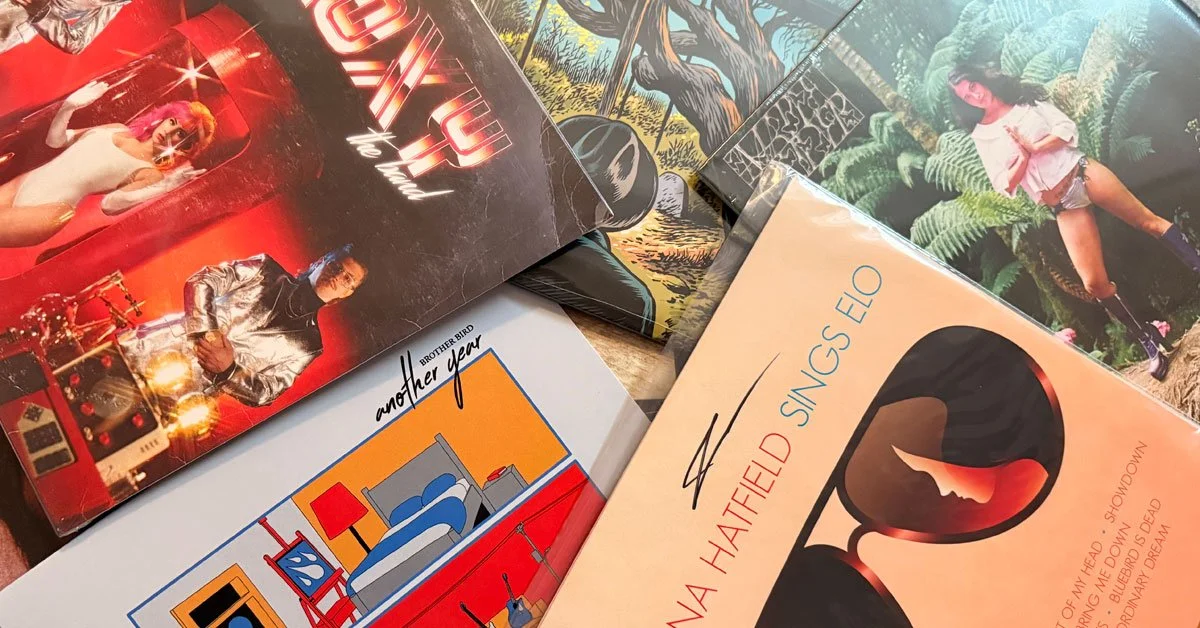
That is maybe why physical media has seen a resurgence. Vinyl is selling more now than at any time since 1983. The format has had its twentieth consecutive year of growth even while streaming accounted for 80% of music industry revenue. People are not returning to records because they are more convenient. They are returning because physical media offers something digital platforms cannot. Ownership, ritual and experience. The value isn’t in access but in the moment around it.
Digital Fragility and Loss of Ownership
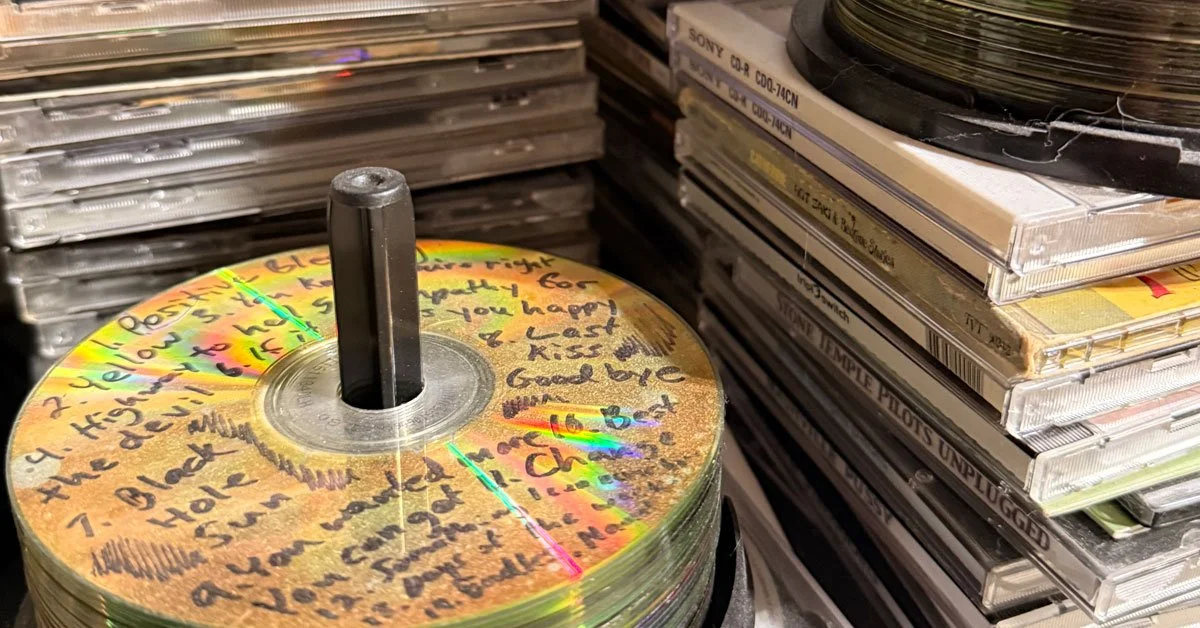
The return of physical media also reflects a growing unease with digital life itself. We are waking up to how little control we actually possess over the things we consume. Content disappears without warning. Neil Young removing then reinstating his music on Spotify or Terminator 3 being absent from all streaming platforms for a few years for instance. Films people believed they owned digitally have also vanished when licensing agreements expired. We have been effectively renting our digital lives and that money may have been invested by the Tech Bros on things we find morally questionable.
Rebuilding Personal Libraries
In response, people are building personal media libraries again and realising how important it is to directly support artists via Bandcamp. What makes this resurgence especially striking is that it is happening while many companies are abandoning physical formats altogether and quality players are increasingly difficult to find.
AI, Authenticity, and the Return to Tangibility
The rise of AI is likely playing its part in the return of physical media. We already felt like we didn’t own much online… not our content, data and not even our own likeness. AI is also making it harder to know what is real. By some estimates, 38% of all music now uploaded to Spotify is AI generated. In this environment people are turning back toward the tangible and to what is authentic.
A Cultural Shift Back to the Physical
This shift is already visible culturally. Cassette sales have surged by 200%, younger audiences are driving much of the vinyl revival and more than half of adults aged 18–24 now engage with some form of physical media despite growing up entirely within the streaming era. I would argue this is a reaction against being constantly glued to our screens and the resulting digital exhaustion. The internet can fail. Streaming services can crash. Platforms that once promised convenience increasingly feel unstable. I once loved Twitter for what it was and now I am on Bluesky… I once uploaded photos to Instagram, now I rarely do. The digital world is unpredictable and increasingly arduous to use. Physical media, by contrast, continues to function independently of subscriptions, servers or algorithms.
Permanence, Ownership, and Meaning
The return of physical media is not a simple searching for nostalgia. It is a search for something increasingly rare in digital life… permanence, ownership and experiences that still feel real.