
The Philosophy of Psychedelic Music
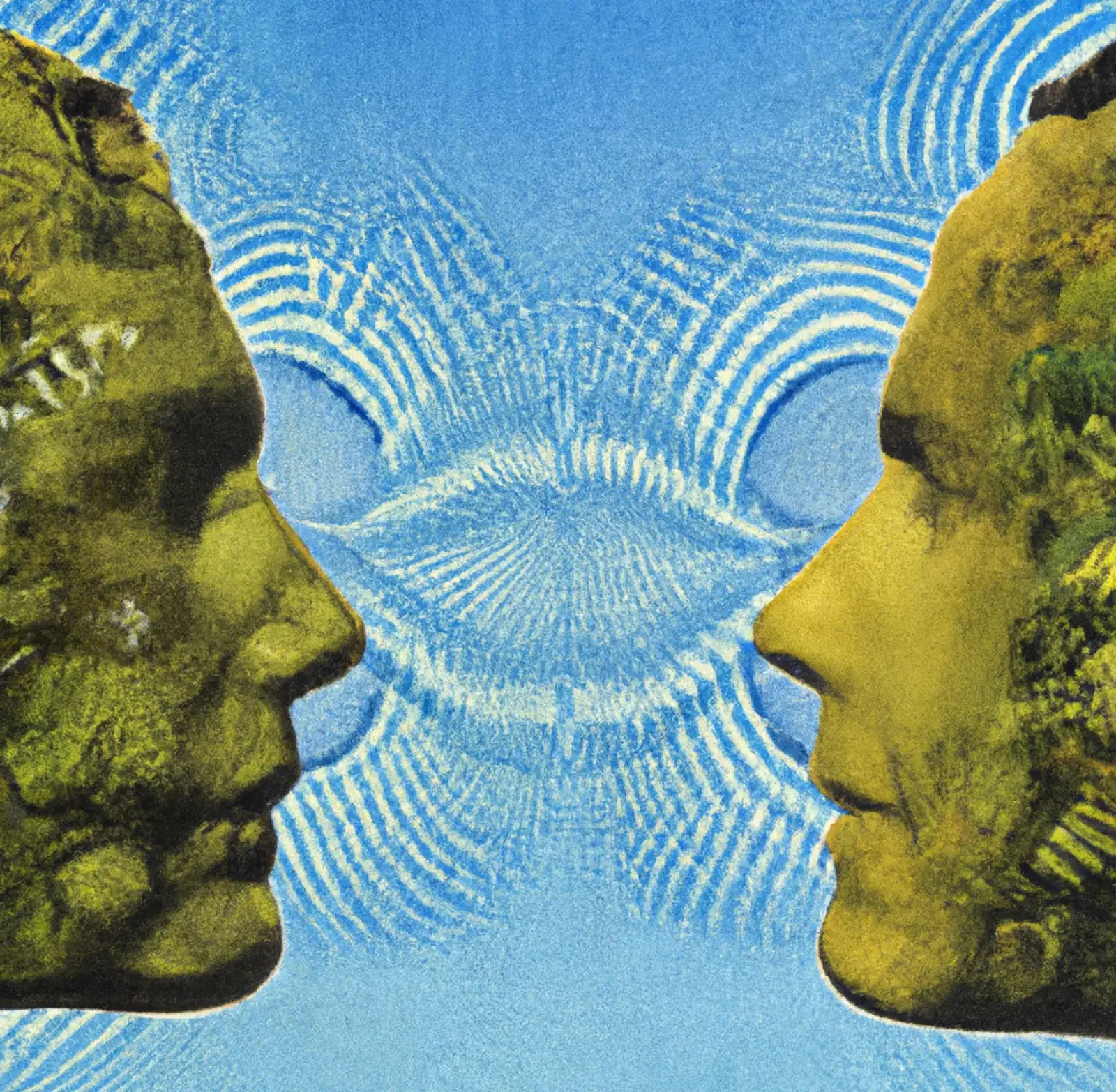
Psychedelic music is a broad style that often throws out traditional song structures and storytelling. A genre that, rather than exploring joy, love, triumph, or melancholy, would rather aim to warp your perceptions. Alter the lens through which you perceive art. Distort your sense of time and possibly your identity... and in some cases, echo or enhance an altered state of consciousness that you might feel whilst under the influence of certain eyebrow-raising substances.
The genre is unquestionably associated with the spirit of subversion found in the 1960s. The Summer of Love, counterculture, the rise of mind-altering drugs, and John Lennon proclaiming that he is the Eggman, goo goo g’joob. To underline how true this is I only need to highlight the Austin Powers quote:
"As long as people are still having promiscuous sex with many anonymous partners while at the same time experimenting with mind-expanding drugs in a consequence-free environment, I'll be sound as a pound."
This is the era where acts, most notably The Beatles, treated the recording studio as an instrument. The embracing of reversed sounds, drifting harmonies, amplifier feedback, and cyclical structures all served to create a sense of suspension. To shape perception and lull the listener into a continuous trance-like state with no resolution. “Tomorrow Never Knows” is probably the key example.
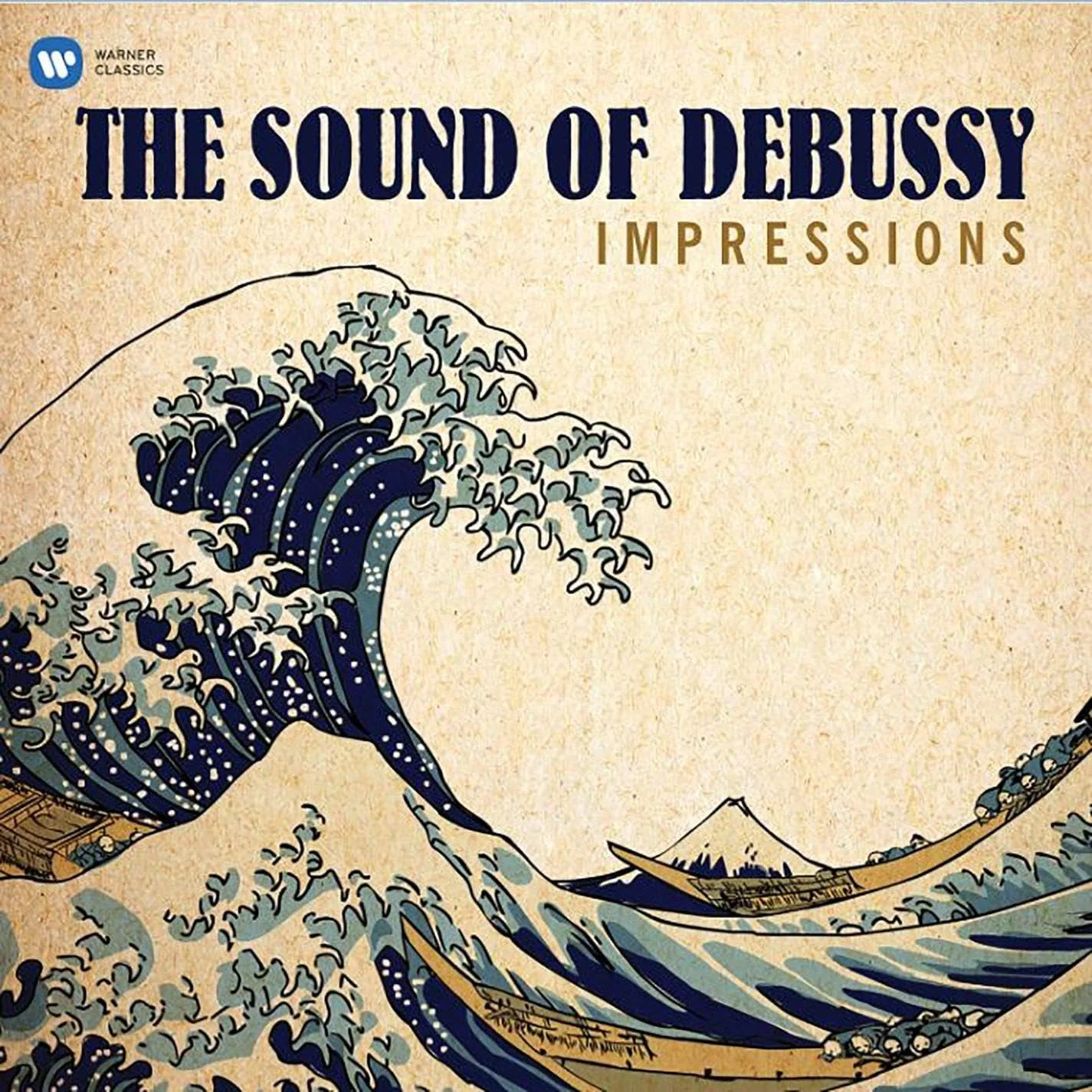
Despite this, it is only part of the story, with the foundations of the genre stretching further back into the past. With nineteenth-century Impressionism—Claude Debussy in music, but also artists such as Monet and Renoir—wecan see the loosening of structure. Atmosphere, colour, and suggestion find space in an era previously dominated by Classical and Romantic traditions. After World War II, experimental and avant-garde sound artists emerge who harness musique concrète—real-world sounds, tape noise, silence, maths, and electronic technologies—to challenge the existing norms of sonic expression... and we should not forget that the term “psychedelic” entered the language in 1956.
Coined by psychiatrist Humphry Osmond, it is derived from the Greek for “mind-manifesting.” Osmond was working with LSD... and soon after, as an audience began to grow that desired experience, freedom, and exploration, the term was quickly adopted by the wider public.
Today, psychedelic music is no longer tied to a specific era or set of tools. Tame Impala uses layered synths, Aphex Twin uses evolving timbres and warped rhythms... even in hip-hop, artists like Travis Scott embrace atmosphere over linear songwriting. Digital audio workstations have arguably made this flexibility and breaking of genre boundaries possible and increasingly fluid. Psychedelia can and does flare up in disco and garage rock. Psychedelic music is a story of atmosphere, texture, and experience rather than hooks and linear songwriting. But the story and intention are the same in every era... to expand the limits of ordinary listening and explore deeper layers of perception through sound.