
An Interview with Steve Stout

Photo by Jason Wade
Steve Stout's forthcoming LP took shape in his basement studio, Shabby Road, where it was written, recorded, and mixed. More than just a recording space, the studio has become an extension of his creative process, filled with carefully chosen gear and the occasional happy accident. Ahead of the album's release, we spoke with Stout about songwriting, collaboration, the joy of making records, and some of the stories behind the sounds.
Q: Your basement studio is called “Shabby Road.” Was there a moment when you realized the space had its own personality, or did that happen gradually as you started spending more time there?
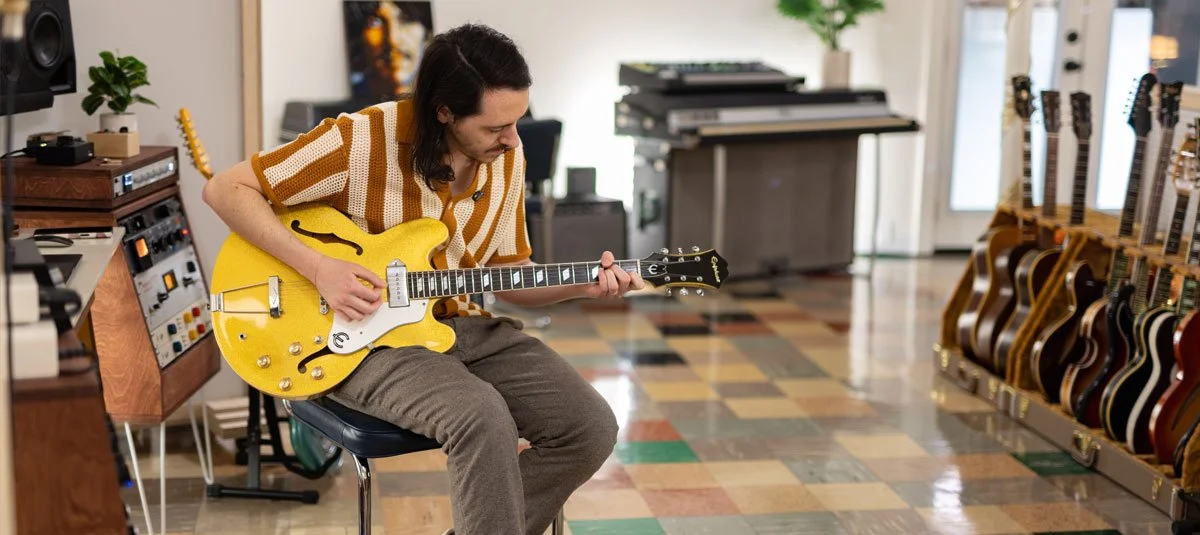
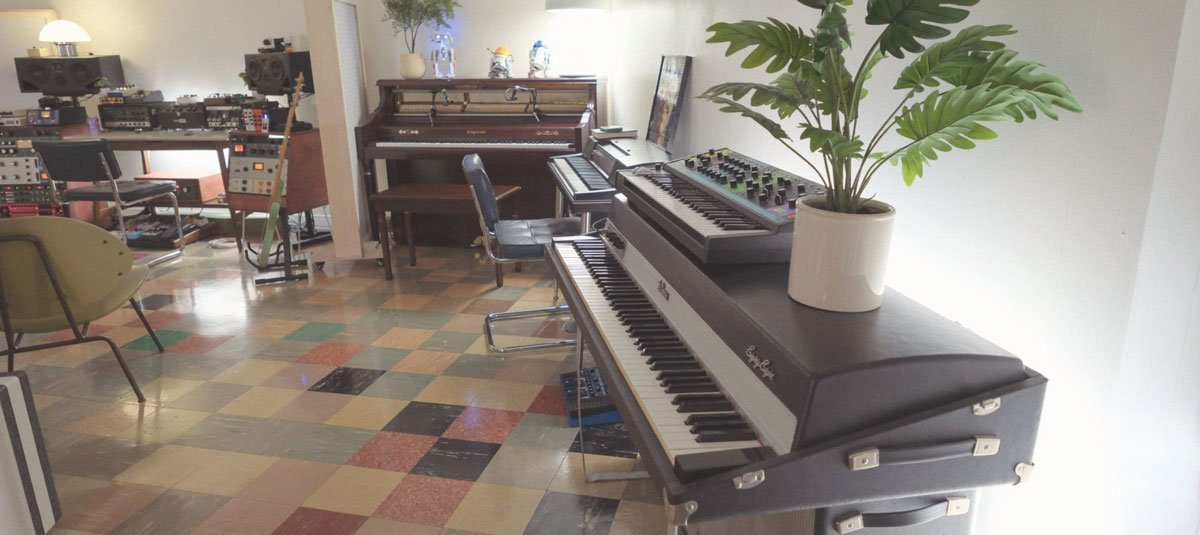
A: Pretty much from seeing that vintage tile floor in the property listing photos, the personality was already infused. The name came soon after. I’m a massive Beatles fan. My other project ØZWALD has actually covered upwards of 50 Beatles tunes, and we even have a record out called ØZWALD Sings the Beatles, so it was really cool to walk into a space that felt like its own little Abbey Road vibe with the stark white walls and tile. (Abbey Road was hardwood floors, but you get the point.)
It was super fun to find the right furniture for the space too. Pretty much nothing I had from my old studio made any sense, so I went on a full quest to find the right chairs, bar stools, lighting, etc. The instrument collection I have was already pretty fitting, so the music always feels like a parallel set dressing to the space.
Q: You’ve opened the doors of Shabby Road to other artists as well. Are there any projects that have come out of the studio that you’re especially excited for people to hear?
A: We’ve recorded some of our ØZWALD records here (my band with myself and Jason Wade from Lifehouse). We’ve got a record called Strange Thoughts that just needs the strings and woodwinds mixed. We’re going to start doing that today, and then that will start coming out as singles soon.
I started a record with an artist named Nic., who is an incredible indie/folk songwriter and musician that I’m really excited to share when it’s done.
Q: When you’re producing or engineering for another artist, does being a songwriter yourself influence the way you approach their music?
A: Absolutely. I try to start by really being more of a fly on the wall as far as the songwriting goes and just support the artist and their vision as much as possible. But when little things pop into my head (generally catchy little tag lines, arrangement moves, or counter melodies), I’ll usually chime in with a light “What do you think of this idea?” but no pressure.
I think also being a songwriter is an extremely valuable thing as we’re seeing with a lot of other big producers: Jack Antonoff, Dan Nigro, Aaron Dessner. It’s no mystery that those folks are doing really well because they’re also songwriters and band guys before they turned producer.
Q: There’s a real warmth and character to these recordings. When you’re working in the studio, what are some of the things you do to make sure the music still feels alive and human?
A: That is super kind! Funny enough, recently we tried to get a tape machine thinking that was the final frontier, and it came from a “working environment.” We turned it on and it started to catch fire, hahaha.
We paid like $900 for it, and the tech said it would be $3,500 to get it really singing, so needless to say, we pressed pause on the tape idea for now.
That being said, I kind of think it was a good thing because it helped me realize that the tunes already sound tape-y just from instinctual choices on EQ, the outboard recording equipment in the studio, and just the overall choices.
I love mixing and going crazy in the box with plugin stuff, but I’ve also really tried to do less once it hits the computer lately wherever possible.
This space also allowed for things like finally having an upright piano since there was enough room. A lot of what you’re hearing on the records is actual live-recorded instruments and never any samples. There’s very little MIDI or sampled instruments as well.
Photo by Courtney Lay
Q: Do you ever reach a point where you have to force yourself to stop working on a song and trust that it’s finished?
A: Haha, I spiraled out on the end of this record trying to perfect mixes and ended up deleting the newest version on a lot of them.
Hilariously, the last thing I added to like four of the songs was these really fancy bongos I recently got. Everything I added those to felt like it was moving forward, but any other tunes where I tried to just put my mixing hat on and be the smart guy, I mostly went backwards and deleted.
Q: You wear a lot of different hats: songwriter, producer, engineer, and multi-instrumentalist. Do you find yourself naturally moving between those roles, or do you have to consciously switch gears?
A: Honestly, I think the best part is just zooming into one thing and doing it for a bit, and then when you get kind of burnt or tired of it, the other hats are there to wear for a bit.
A lot of the songs are written to acoustic guitar or piano with a voice memo, so that’s kind of the songwriter mode. I’ve been trying as much as possible to get full tunes done before I start recording, but there are also a lot of tunes that start as even music I made for a gear demo for Instagram that I liked the vibe of and later wrote lyrics and a melody to.
Q: Do you usually have certain records on repeat while you’re making an album, or do influences tend to sneak in without you realizing it?
A: This is always shifting slightly, but I’ll find a record and absolutely burn it out.
When I started this record, it was Djo’s The Crux 1000%. You can tell from “some birds” and the “Charlie’s Garden” through-line for sure, but there are also deep Paul McCartney bones in there too.
I love the sonic footprint of the band Whitney, and that always pops its head back in. Sam Evian makes amazing sounding records.
Right now, I’ve been super into Courtney Barnett’s and Kevin Morby’s new records, so I’m sure that will infuse itself into the next record.
Q: Jordan Lehning’s arrangements add such a beautiful dimension to the record. What is it like handing part of a song over to another musician and seeing where they take it?
A: Jordan is an absolute master. He completely wrote those arrangements with very vague guidance, and he got the Harry Nilsson vibe without me saying anything.
We’ve hired him a bunch for the ØZWALD and newer Lifehouse stuff as well, and he absolutely knocks it out of the park every time.
I collaborated with a few other friends on this record as well, including my buddy Andrew Kahl, who played drums on a bit of the tunes and did some co-writing, MC Taylor from Hiss Golden Messenger, Erica Driscoll from Blondfire, Walker Igleheart from The Bangles, Jude Cole, and all sorts of folks.
It really felt like a full-circle thing to bring in friends and be a little less of the “I can do it all myself” guy. I think the memories of making the songs are that much richer for sharing that part of the process.
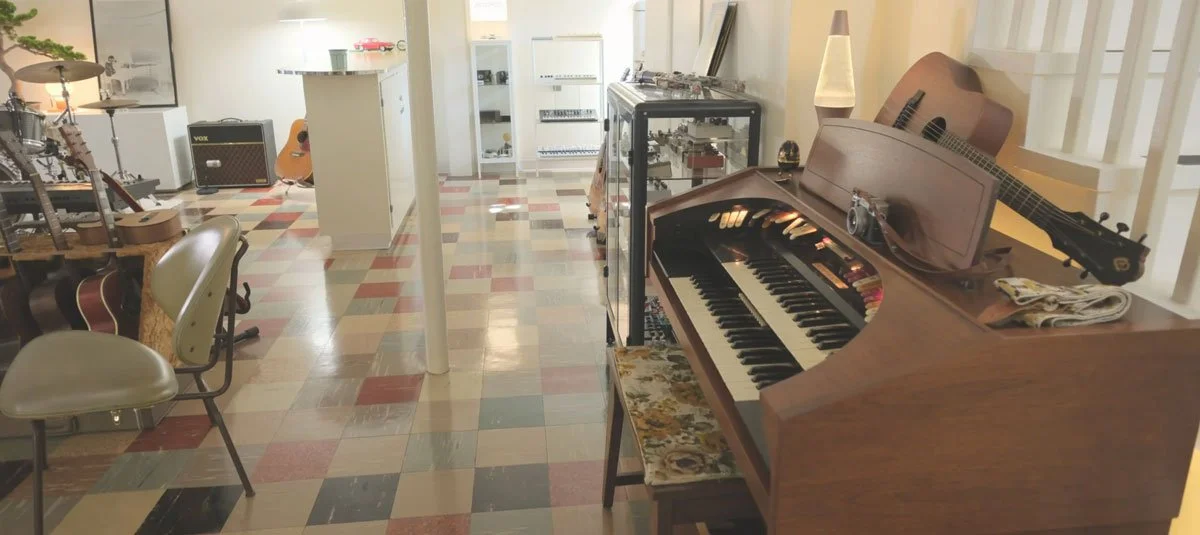
Q: You’ve built a studio that combines analog equipment with modern digital tools. What does your recording setup look like these days?
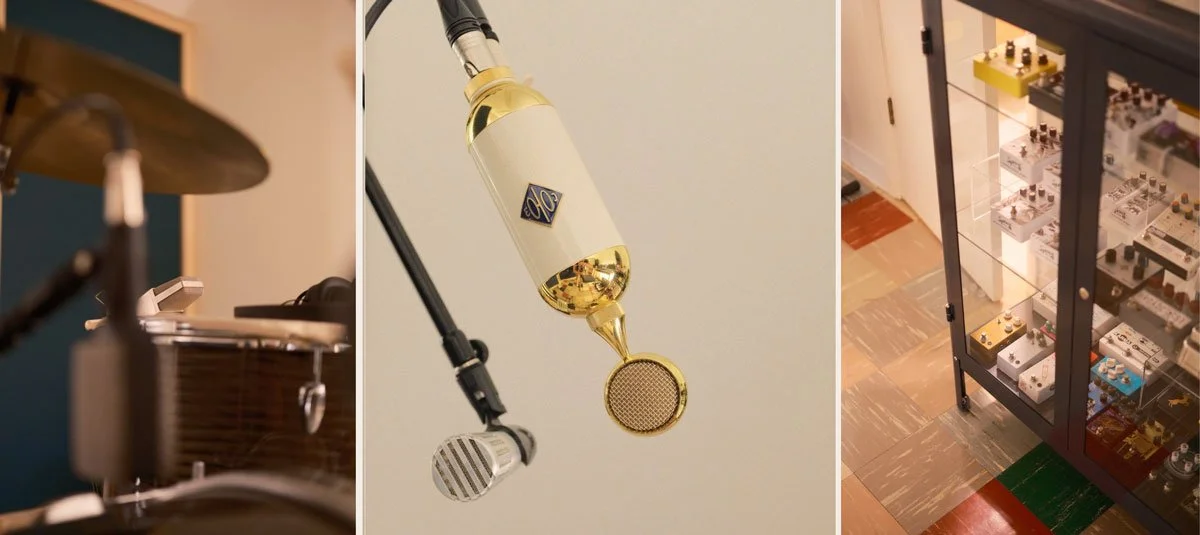
A: Definitely both. I’m all analog on the preamp side of things on the way in and have built up around 16 channels of pres that I really dig, but once I’m in the box I generally stay in there.
I’m a fan of the digital flexibility of things with editing and going crazy on plugins when you’re feeling inspired by them.
I do have some tape echoes that I print out to, and I started to mix out through an SSL outboard pre from Audioscape on this record, but I am absolutely not shy about the digital side of things.
We are living in an incredible time for musical gear and accessibility to it.
Q: You’ve been in Nashville for several years now. How has being part of that community shaped your creative life?
A: I’m very much a new add-on to Nashville, even though I’ve been here for eight years now. Definitely a part of the new wave, haha.
I love it though. The food is great, we have our own little universe we’ve built here, and we’re a lot closer to town with the new house/studio, so it’s made it way easier to build community and pop into town for things.
Definitely exciting to live in a city that feels like it’s still growing.
Q: What piece of gear in Shabby Road has become indispensable to you?
A: Right now it’s probably my main recording chain of the Mystery Magicians M808A tube mic preamp and Audioscape Opto comp.
That’s what every vocal, bass, and electric guitar is running through on this record, and I’m obsessed.
It’s clear that Steve Stout’s relationship with music extends far beyond songwriting. For him, it’s about the instruments, the sounds, the rooms, and the people who help bring these ideas to life. You can hear this passion in the new single, “waitin on mine,” now available everywhere, featuring co-writing from MC Taylor of Hiss Golden Messenger and piano from Walker Igleheart.