
100 Albums: The Permanent Rotation
Note to all readers: this is not a generic “Top 100 Albums” list. It’s an exploration of our recurring relationship with music, rather than a race toward consensus.
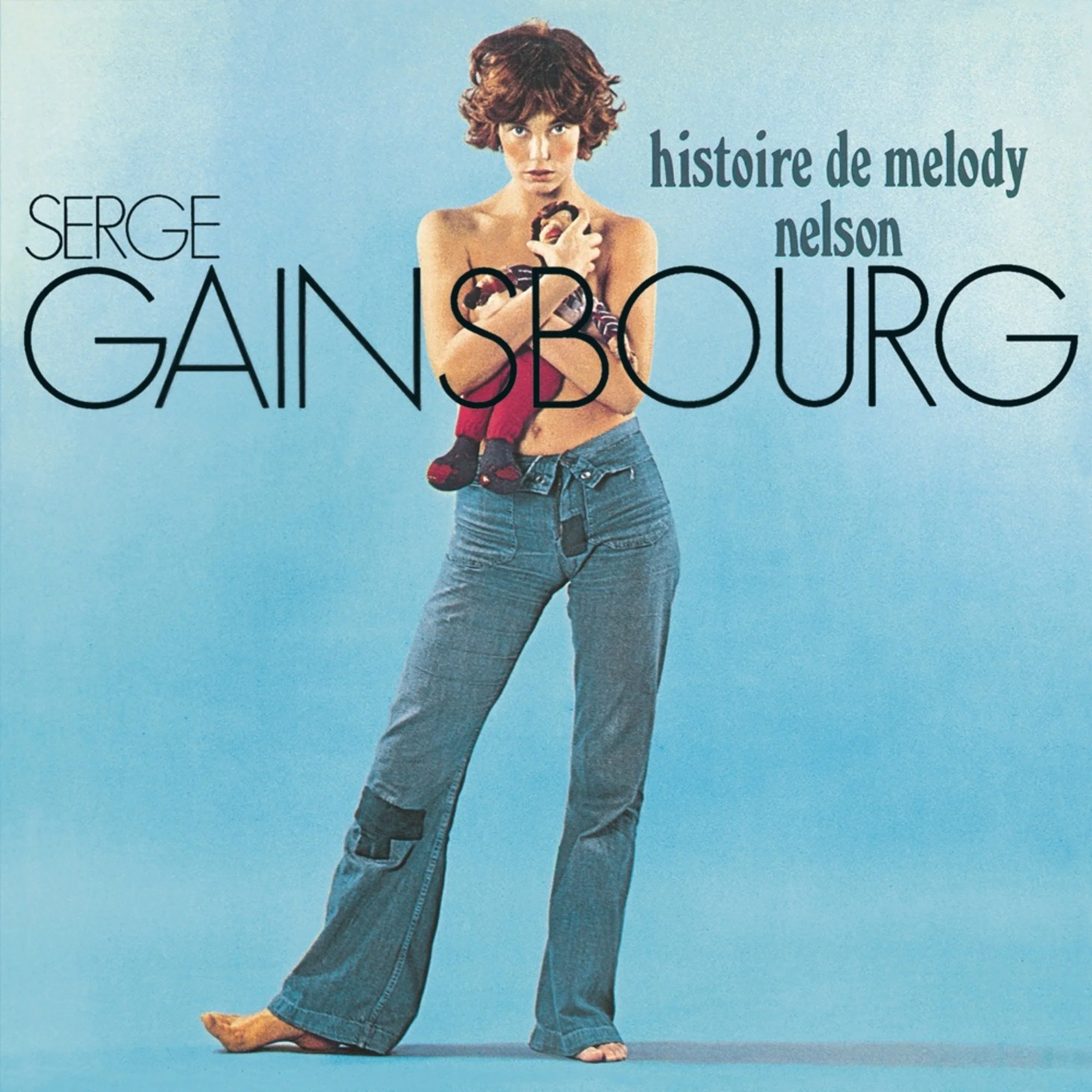
100. Serge Gainsbourg – Histoire de Melody Nelson (1971)
Serge Gainsbourg’s Histoire de Melody Nelson is a concise concept album spanning orchestral pop, funk, and spoken-word narrative. The deeply stylised and risqué work revolves around a continuous story that unfolds like a film score. Perfect to listen to when driving your Rolls-Royce Silver Ghost… just don’t get distracted by the silver statue…
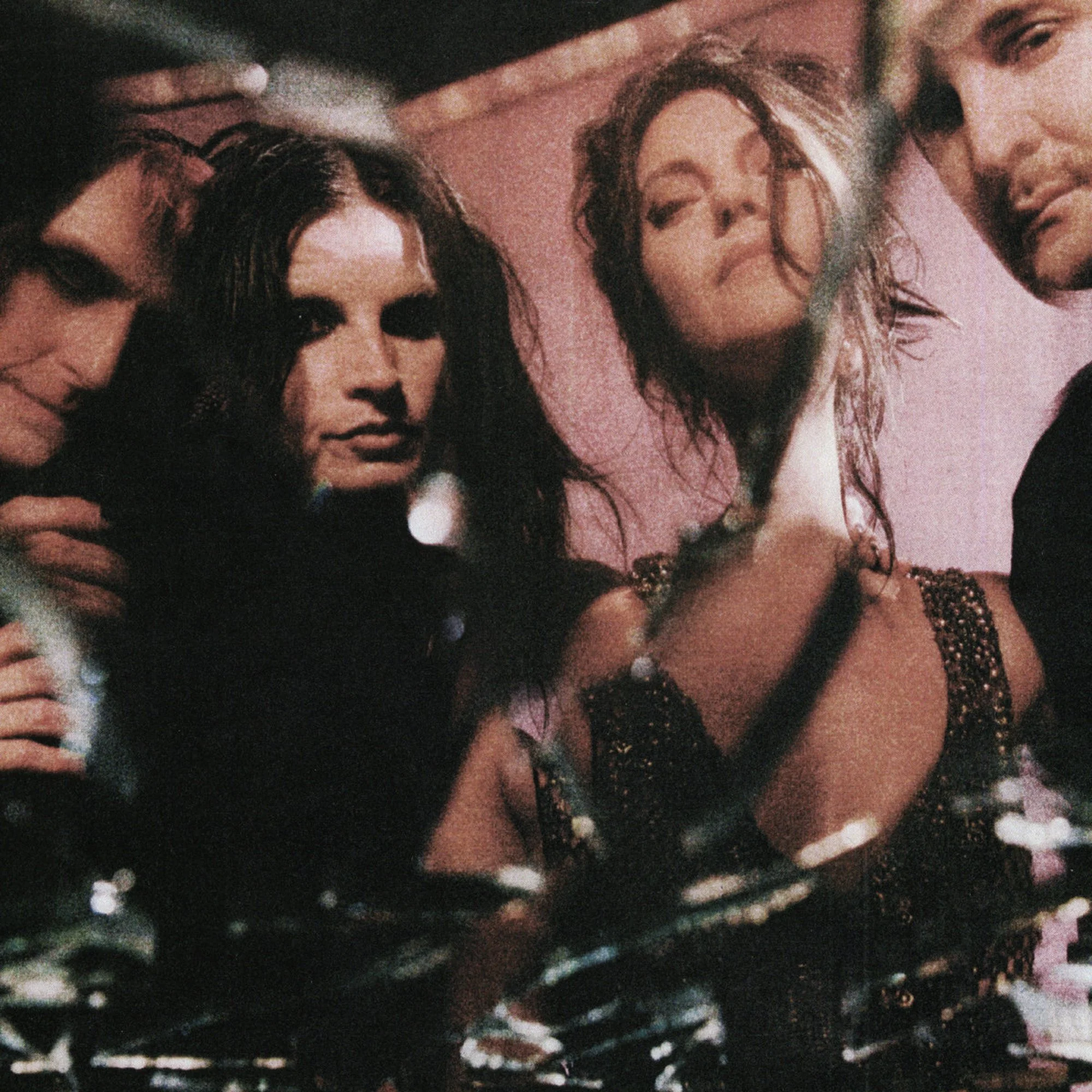
99. Sharon Van Etten & The Attachment Theory – Sharon Van Etten & The Attachment Theory (2025)
Sharon Van Etten & The Attachment Theory shifts Sharon Van Etten’s songwriting into a more groove, textural, and collective realm. The sound is the chemistry of a band spending months in a room together, letting the gear and the environment dictate the mood. The LP underlines her remarkable instincts for melody. As soon as the first song, “Live Forever,” plays… you will be swept away in this moving record.
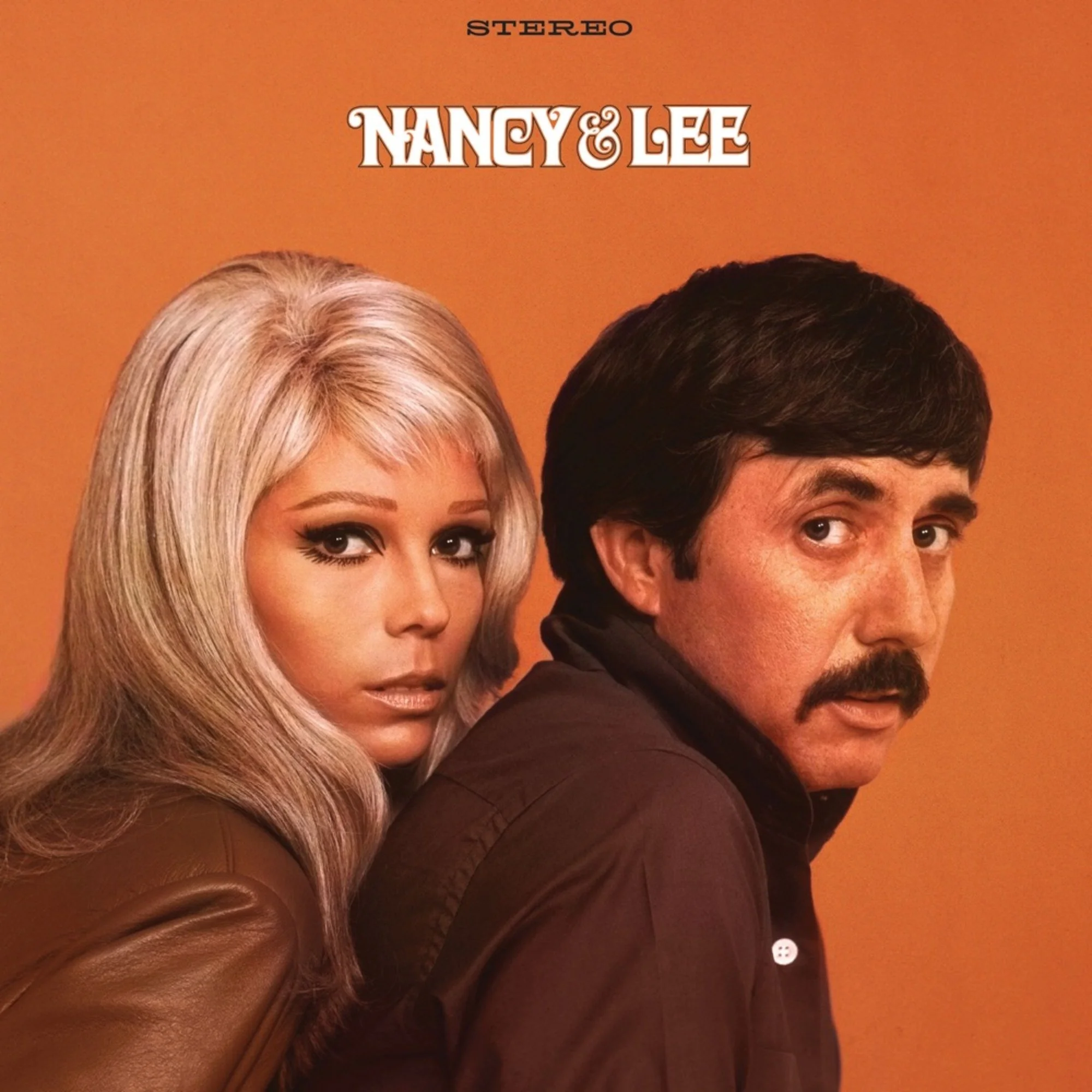
98. Nancy Sinatra & Lee Hazlewood – Nancy & Lee (1968)
Nancy Sinatra & Lee Hazlewood’s Nancy & Lee is the duet the world needed. It is astonishing that there wasn’t world peace afterwards. The caramel vocals of Hazlewood and the sultry Sinatra guide us through this lush cinematic pop album. Spanning the genres of country and baroque pop we are smothered in smooth orchestral arrangements in what is a true lesson in atmosphere.
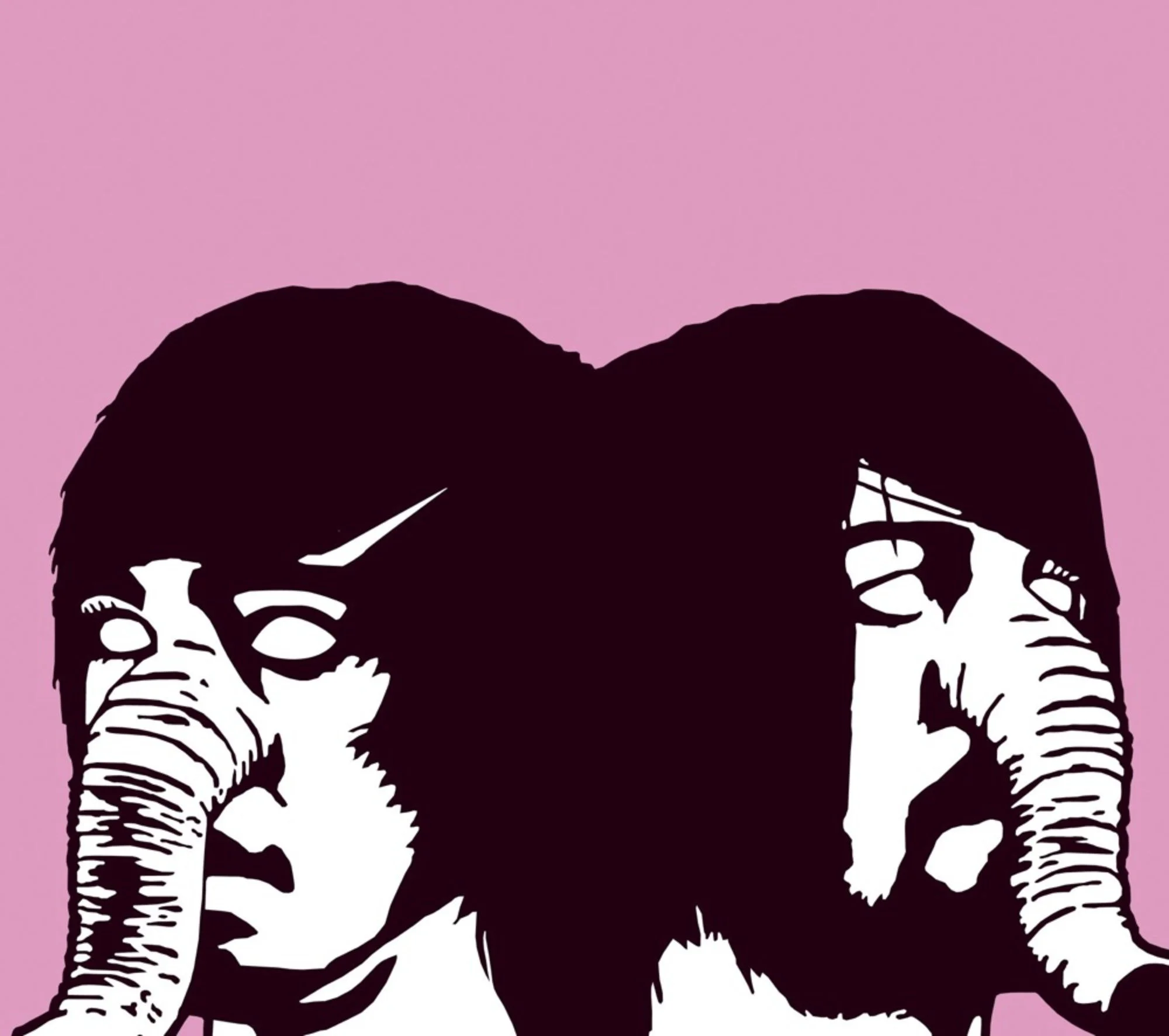
97. Death From Above 1979 – You’re a Woman, I’m a Machine (2004)
You’re a Woman, I’m a Machine is a high-impact dance-punk album from the Canadian duo Death From Above 1979. For a solid thirty-four minutes they go well out of their way to demonstrate how much force two people can generate. There’s little excess… in fact there isn’t any guitar on this record… just bass, drums, vocals, a dash of synth weirdness and repetition. A tightly wound torrent of volume, be sure to strap in as it hits hard and moves fast.
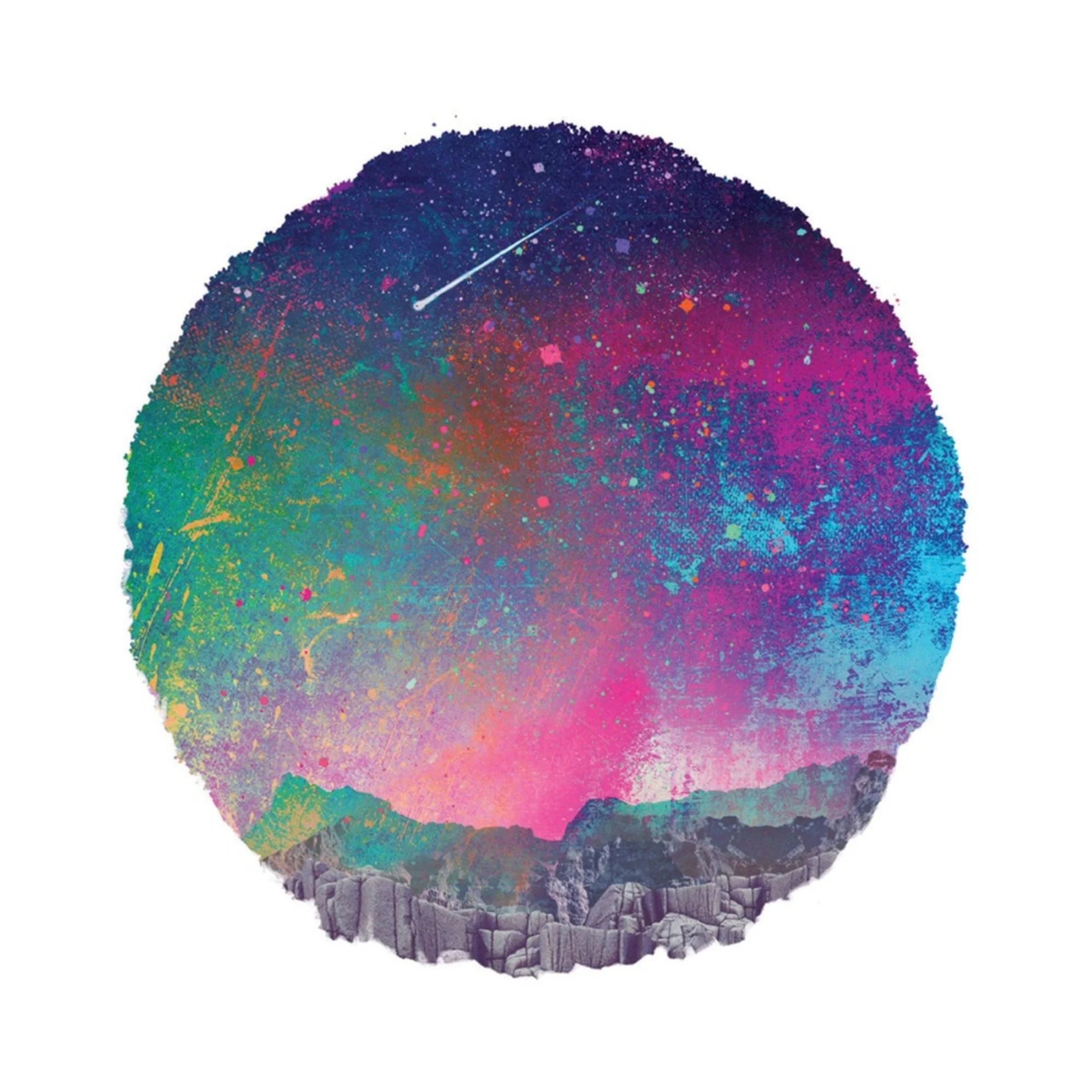
96. Khruangbin – The Universe Smiles Upon You (2015)
Recorded on a humid afternoon in a Texas barn, without air conditioning, with cheap gear, and with some vocals recorded in a parked car, The Universe Smiles Upon You is the funky and nuanced debut from American musical trio Khruangbin. This album has enough funk, soul, surf rock, and psychedelia to get you through anything life can throw at you.
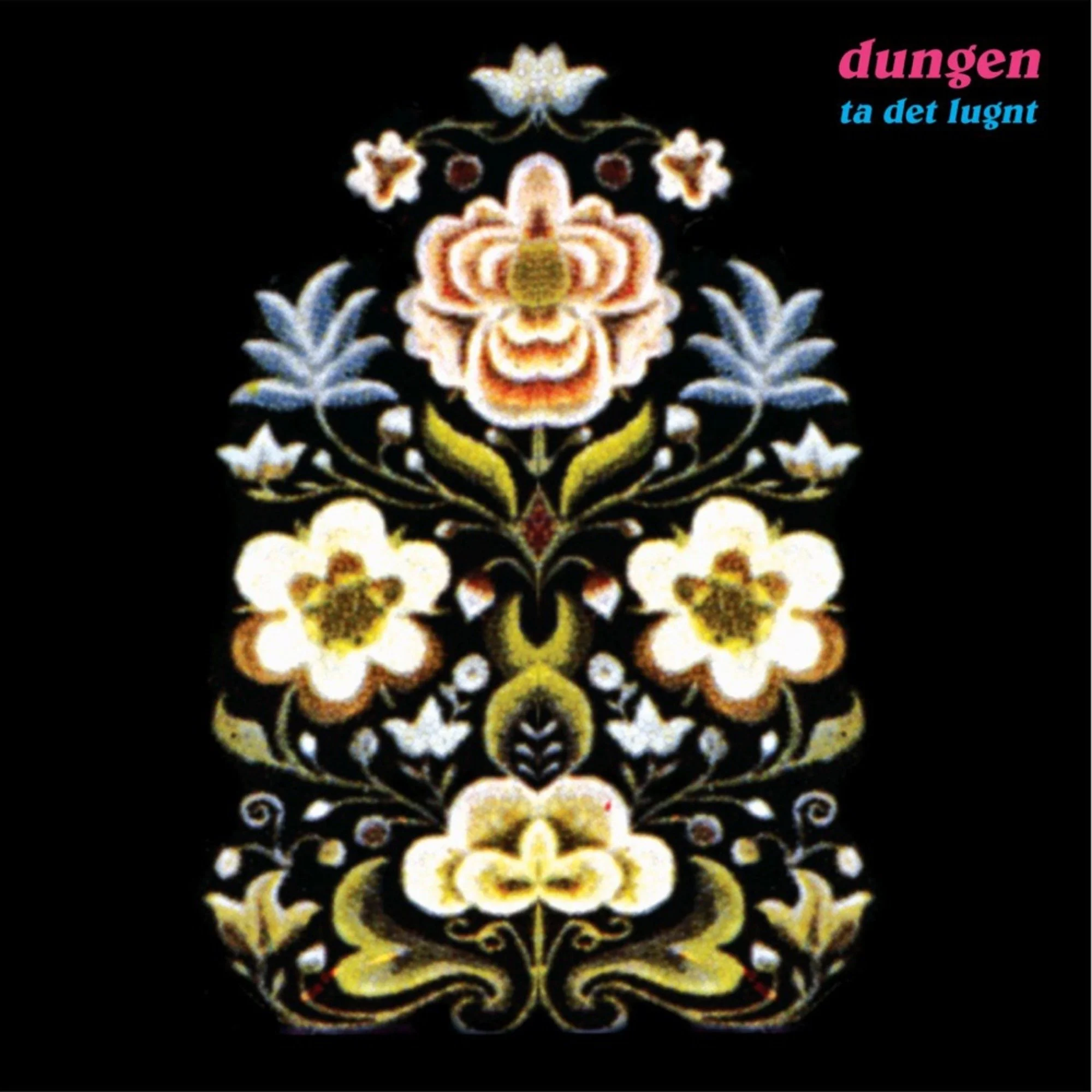
95. Dungen – Ta Det Lugnt (2004)
Heavily inspired by the recording techniques of Revolver, Ta Det Lugnt is an effervescent psychedelic rock album by Sweden’s Dungen. If you’re not familiar, but love Tame Impala’s InnerSpeaker, this will be a record for you. It avoids nostalgia; however, it is deeply rooted in all that is good, especially when it comes to guitar tone. For us, this is the music connoisseur’s choice.
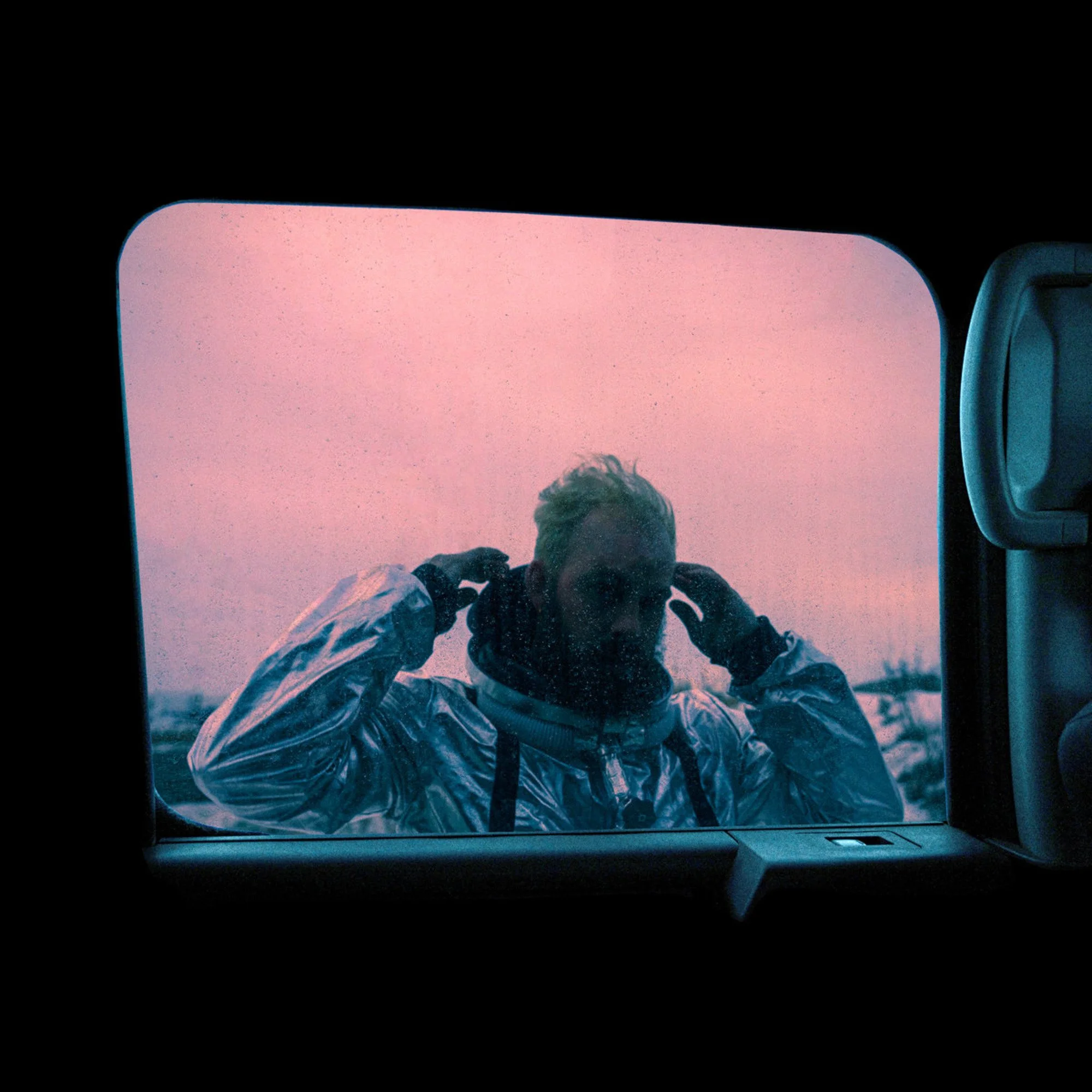
94. Motorbike James – VIISIONS (2021)
VIISIONS is the refined debut by Canadian musician Motorbike James. It is a study in absorbing textures, skilled synth layering, and vocal processing. Melodic, hazy, high-fidelity, and sun-drenched, it is an expertly produced LP that marks a high point in modern chill-psychedelia.
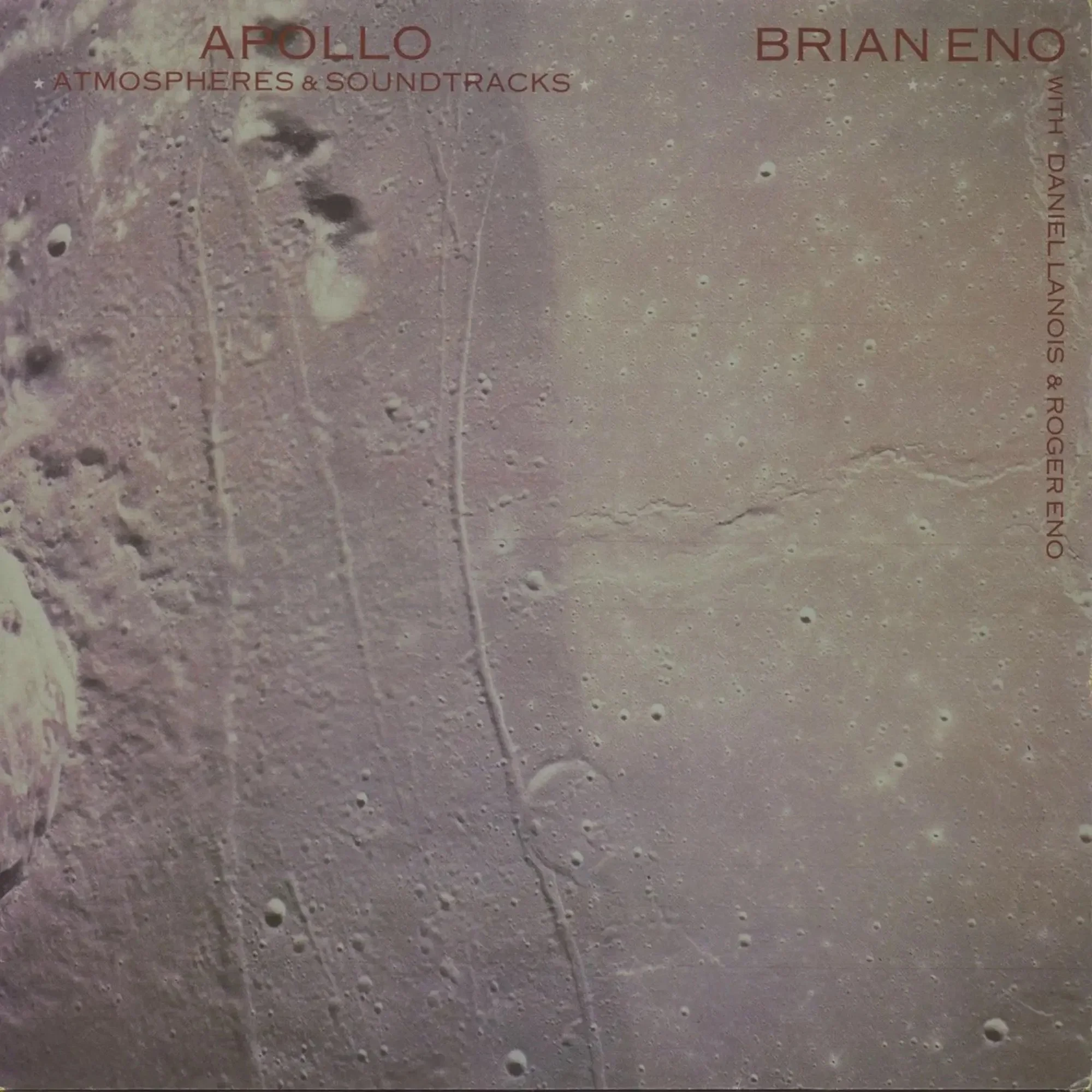
93. Brian Eno, Daniel Lanois, Roger Eno – Apollo: Atmospheres and Soundtracks (1983)
The legendary production hands of Brian Eno are all over many great records. On Apollo: Atmospheres and Soundtracks, we find him collaborating with his brother Roger Eno and Daniel Lanois. Originally created as a soundtrack for a documentary about the Apollo space missions, this LP captures an awe-inspiring sense of vastness and weightlessness. If not familiar, we can guarantee you have heard “An Ending (Ascent)” somewhere along your many trips round the sun.
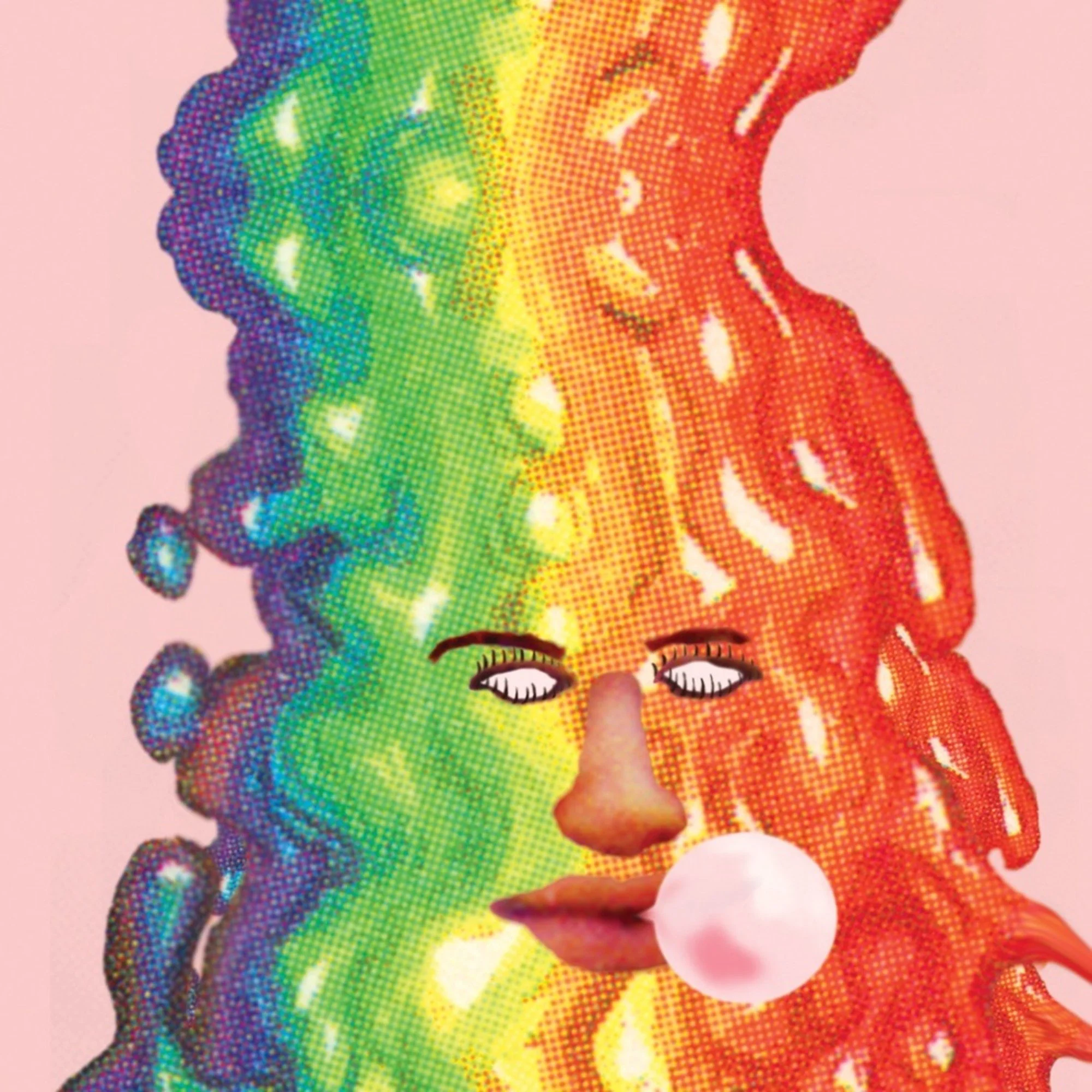
92. Black Moth Super Rainbow – Dandelion Gum (2007)
The sessions for Dandelion Gum are shrouded in the same kind of mystery as Black Moth Super Rainbow. All we can say is this is the neon soaked third album by the American group. Warped… 100% psychedelic… awesome bass lines… Mainly using electronic instrumentation, it filters pop through layers of distortion, nostalgia, and analog haze. If you imagine a degraded, hook-laden transmission from a surreal moon at the other end of the galaxy, you would be half way there.
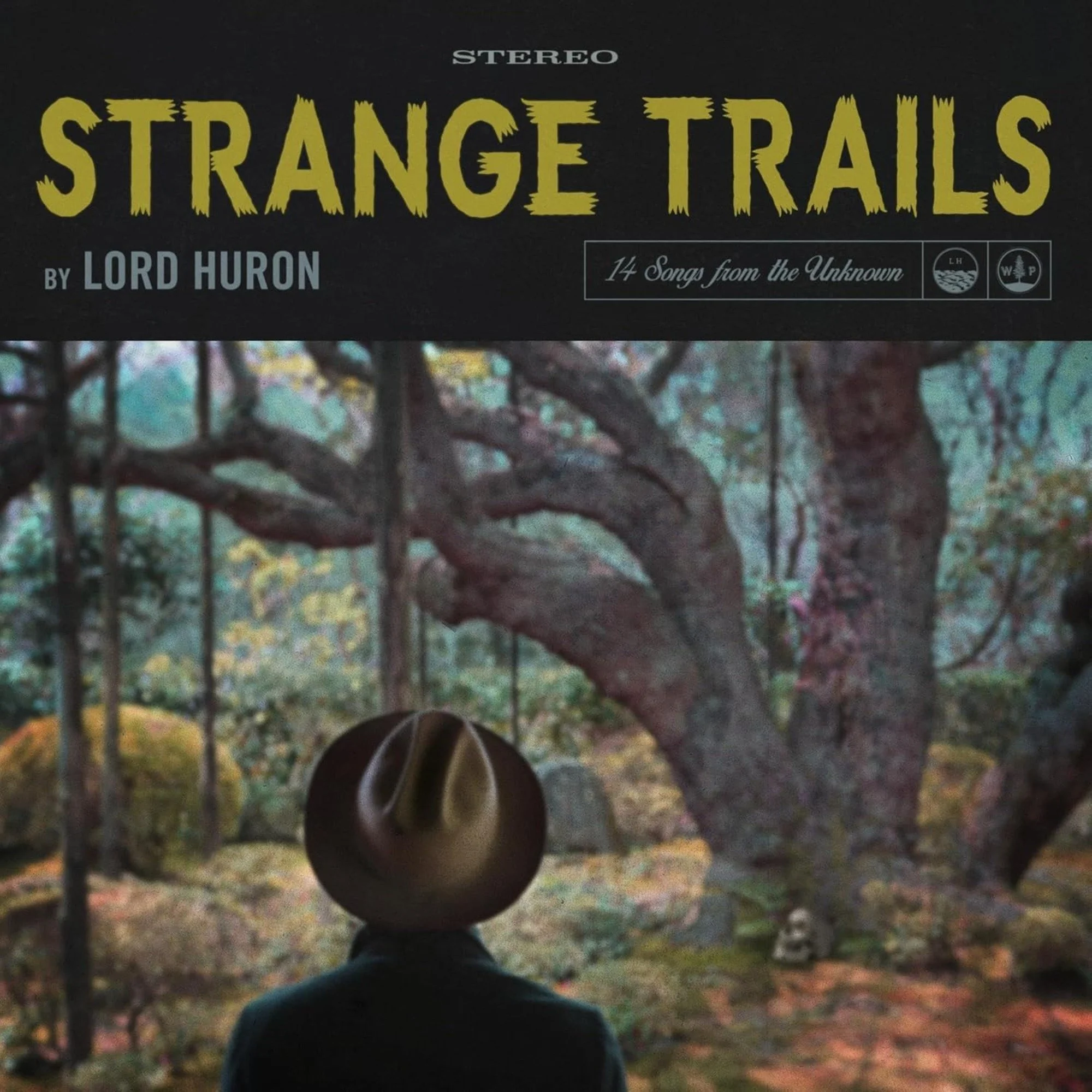
91. Lord Huron – Strange Trails (2015)
Lord Huron’s spectral second album Strange Trails expresses exactly what enchanting, cinematic indie folk should be. For recording, the band built their own studio, Whispering Pines, and would often dress in character or dim the lights to darkness, always making sure to get the perfect mood for each song. To bridge the tracks, vocalist Ben Schneider took field recordings out in the woods and on city streets, then degraded the audio to give a warm, lived in feel. Schneider evocatively guides us with arresting vocals. From warm acoustic passages to reverb-soaked grandeur, Strange Trails has enough mood, storytelling, and drive to keep any road trip going.
90. CVC – Get Real (2023)
Get Real is the magnificent, groovy debut from the colourful Welsh rockers CVC. It channels 1970s funk-rock, psychedelic pop, and yacht-rock into a cool, velvety, modern indie framework. It is a sound that you will find instantly familiar, but the musicianship is beyond impressive and executed at every turn with razor sharp clarity. Melodic and confident, the album is a welcome statement of revivalism.

89. Mazzy Star – So Tonight That I Might See (1993)
The second studio album by Mazzy Star, So Tonight That I Might See, distilled dream pop. Often recorded in the dark, Hope Sandoval’s vocals are intimate and nuanced as they drift effortlessly through the record. Manipulating the speed of the recording tape heightened the drifting quality of the music. Exploring themes of longing and loss with impressionistic fragments, it is a high point in their career.
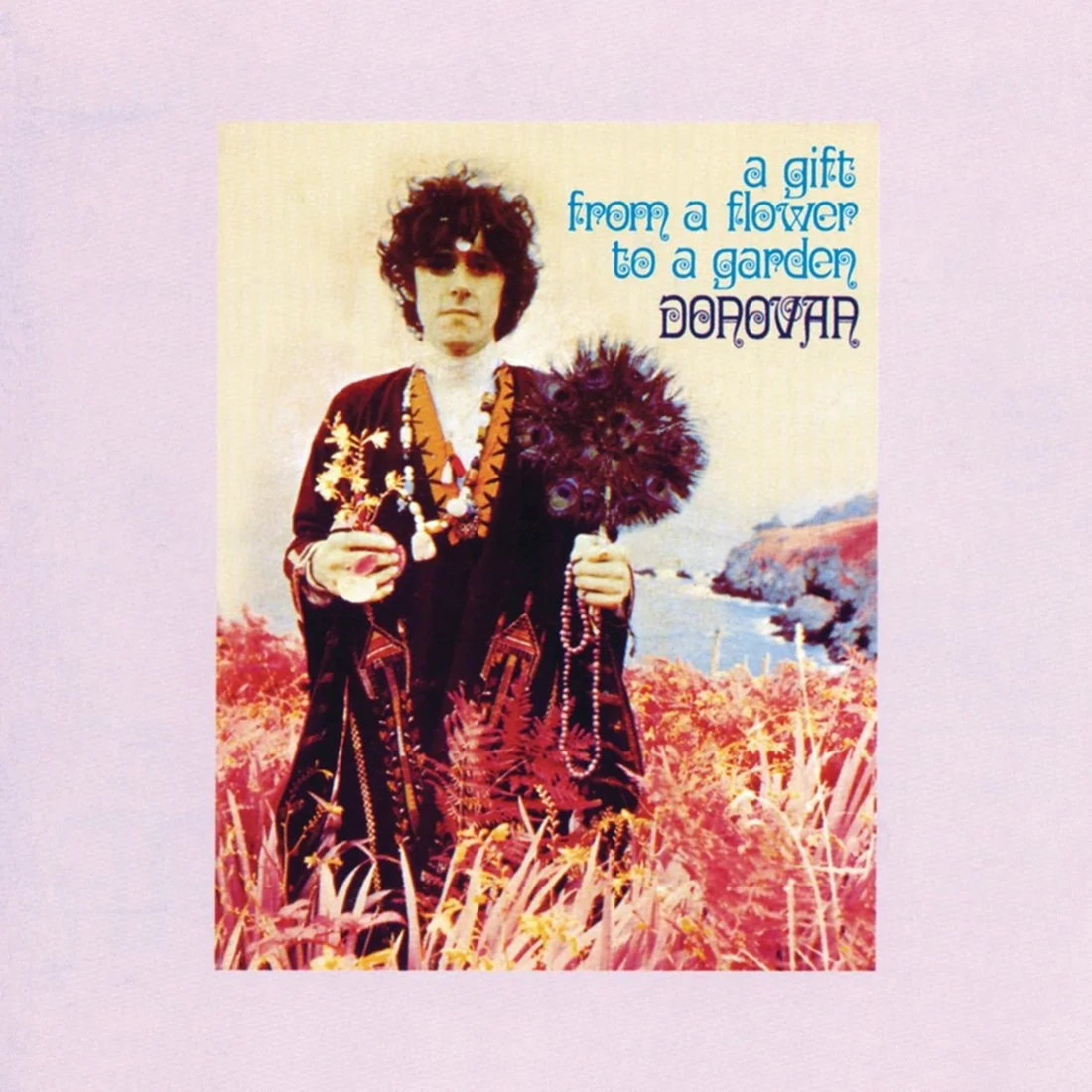
88. Donovan – A Gift From a Flower to a Garden (1967)
Donovan’s double album A Gift From a Flower to a Garden is a touch stone of the psychedelic flower power era and arguably the first boutique boxset in history. The physical packaging was treated as a luxury object, which was a first as boxsets were often left to classical music and jazz collections. This is lavish sensory overload that went beyond the sonic gentleness of the music. After collecting songs for eighteen months, the result is a charming and rewarding work. Donovan’s lyrics explore themes of childhood innocence, mysticism, and the beauty of the garden.
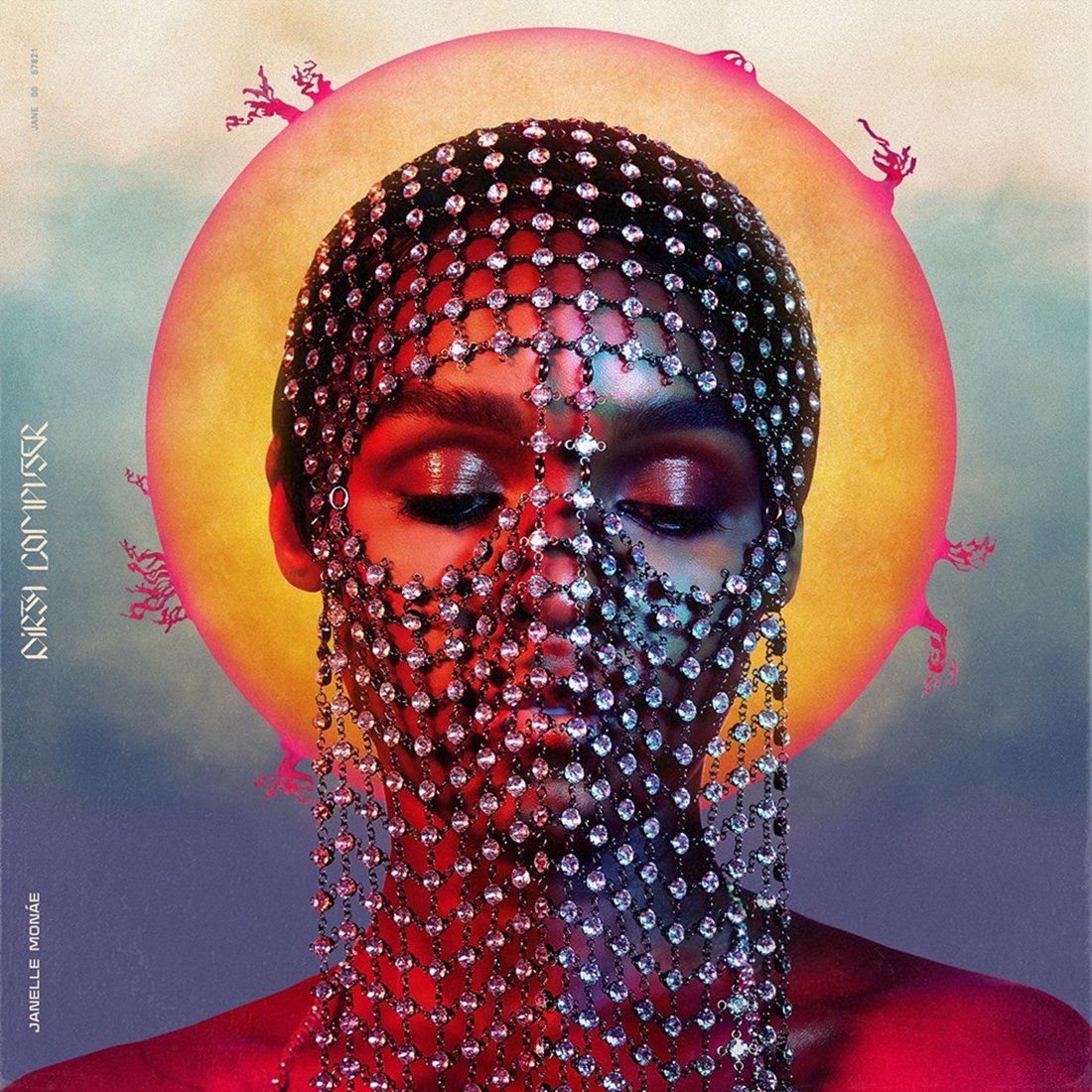
87. Janelle Monáe – Dirty Computer (2018)
Dirty Computer is the glossy third album from Janelle Monáe. 100% bold and 100% direct, this is an Afrofuturist concept album that touches on race, sexuality, individuality, and control. On listening, it may come as no surprise of the guiding influence of Prince. Before his passing, he worked closely with Monáe on the album’s sonic palette. It is packed with collaborations from the likes of Brian Wilson, Stevie Wonder, and Grimes. If you fancy a concoction of Funk, R&B, pop and electronic music, this one is for you.

86. Maple Glider – To Enjoy is the Only Thing (2021)
To Enjoy is the Only Thing is the beautifully unguarded, melancholic debut by Maple Glider. The record is all about catching moments. From singing in the dark, letting unwanted sounds bleed in, or refusing to fix mistakes, every element is natural. Through hauntingly beautiful minimalistic arrangements, the album captivatingly explores themes of love, belief, identity, and vulnerability. The vocals are magnetic, gently pulling you in to what feels like an evocative dreamworld. This album finds power in pure stillness, honesty, and clarity.
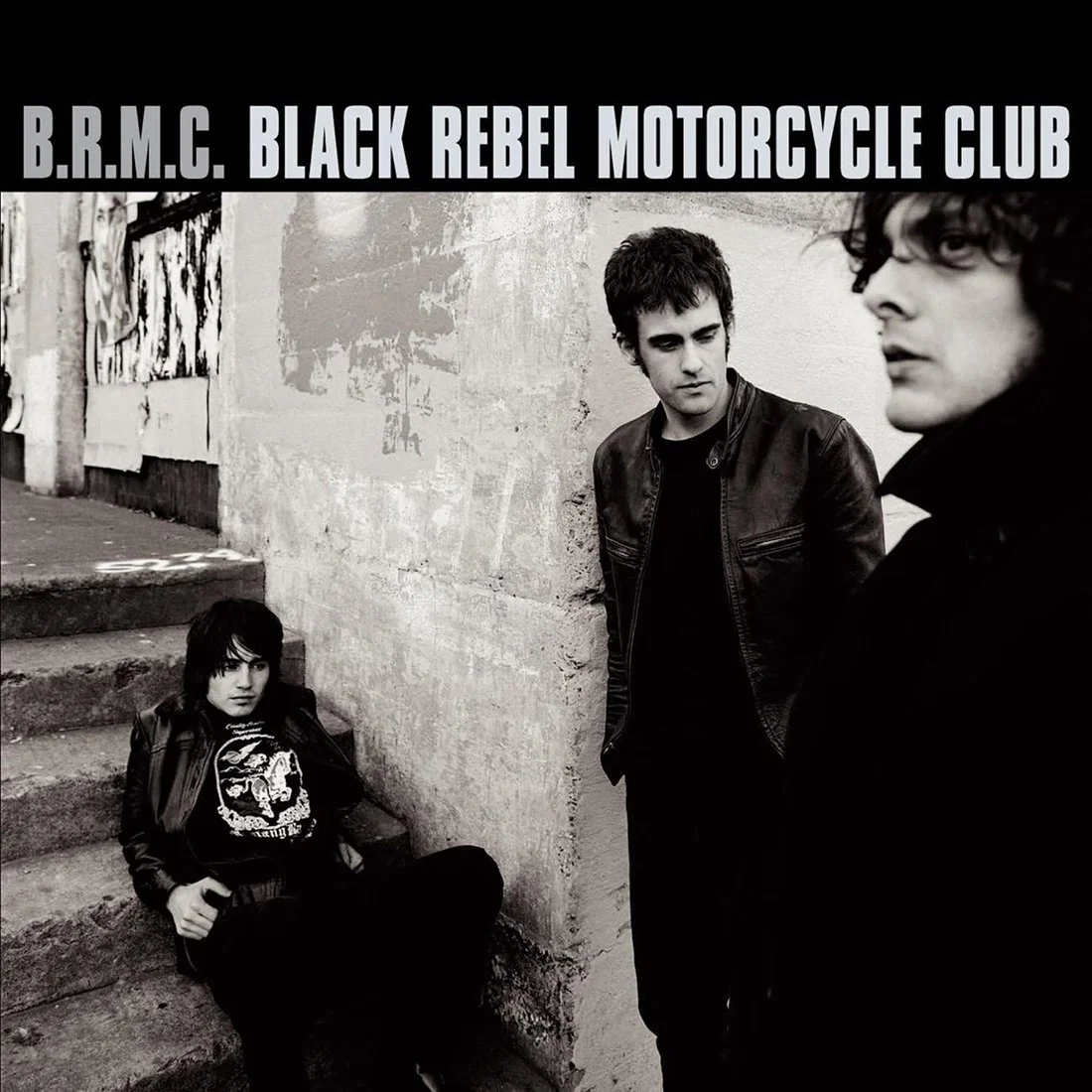
85. B.R.M.C. – Black Rebel Motorcycle Club (2000)
B.R.M.C. is the woozy and sinister debut album by American group Black Rebel Motorcycle Club. Pure heavy garage rock, it unapologetically channels the lineage of 1960s psychedelia and 1990s noise rock… but this is something darker, deliberate and undeniable. The badass tracks “Whatever Happened to My Rock ’n’ Roll (Punk Song),” “Spread Your Love,” and “Love Burns” underline the melodic accessibility and sonic weight.
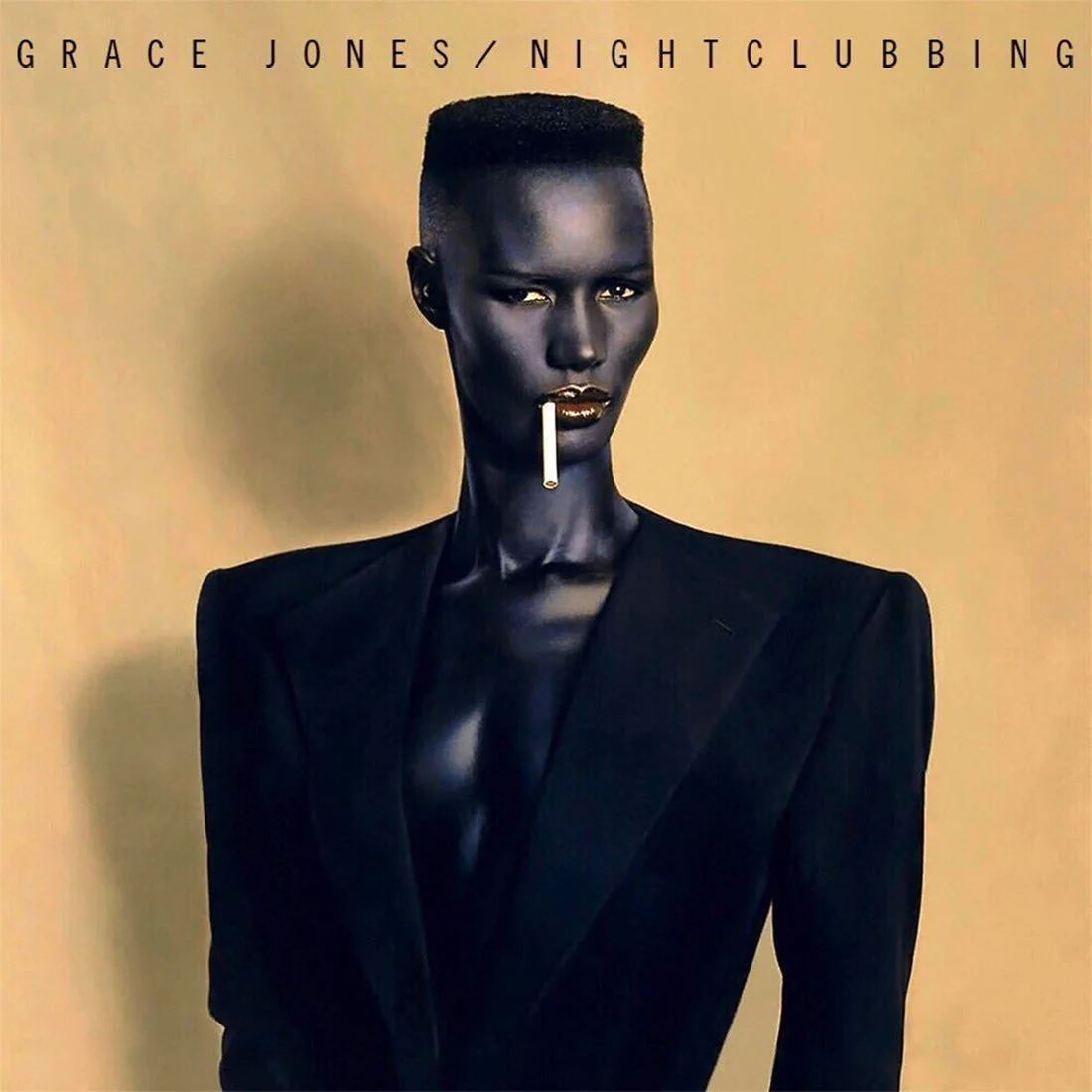
84. Grace Jones – Nightclubbing (1981)
The buoyant Nightclubbing marks the arrival of Grace Jones as a fully-fledged pop icon. With the aid of the prolific Sly & Robbie and Chris Blackwell, we are guided through a cool salvo of reggae, dub, funk, R&B, new wave, rock, and post-punk. Jones, according to legend, recorded in classic ‘80s power suits that radiated masculinity, sometimes capes, sometimes scantily clad. Throughout, the vocals are cool, detached, and deliberately ambiguous. This Bond girl-persona inhabits the record with a mood and attitude that no one else will ever be able to replicate. Press play and grab your hula hoop.
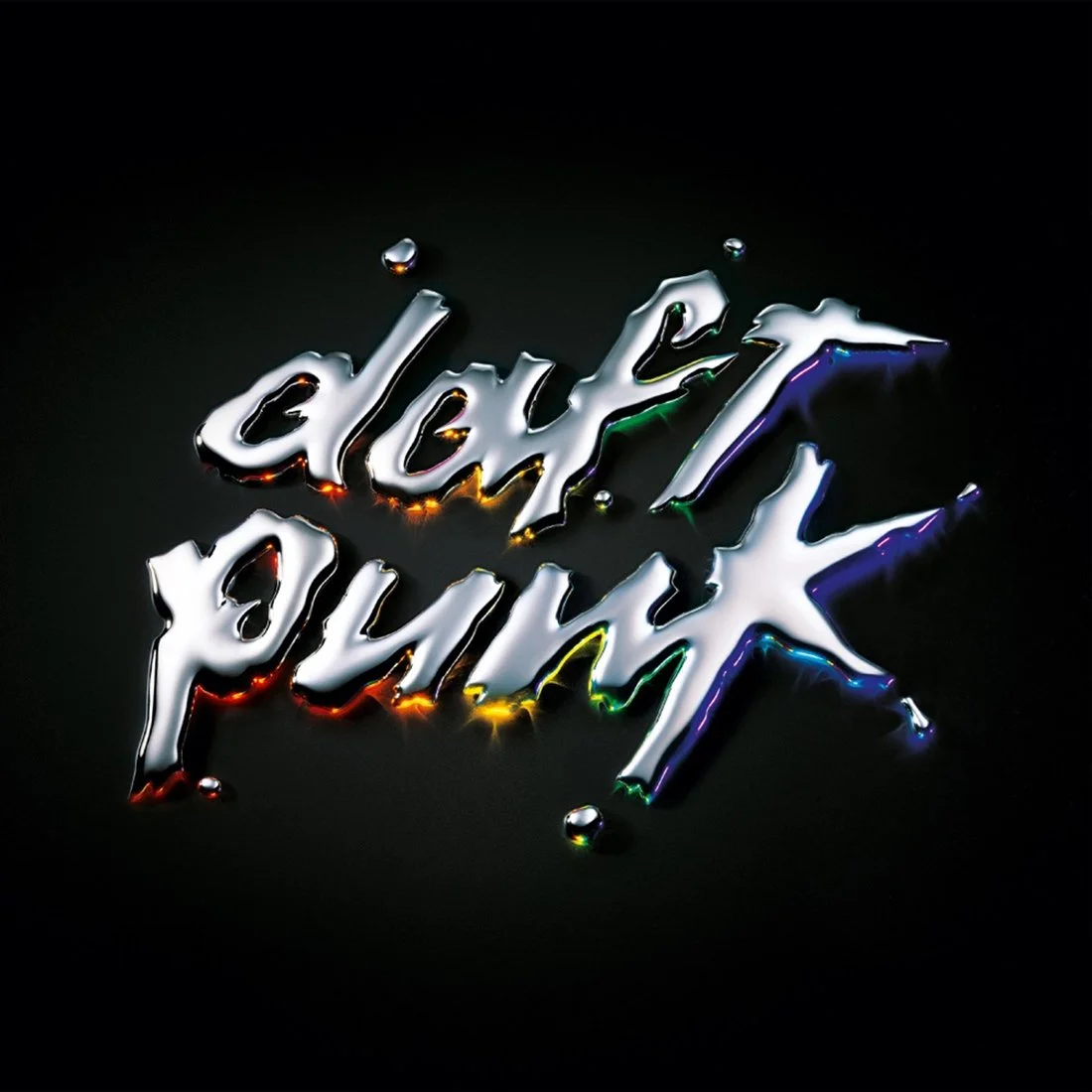
83. Daft Punk – Discovery (2001)
Discovery is the second album by French electronic music duo Daft Punk. This infectious record brought French House (and two French blokes in robot helmets) to the masses. Across fourteen futuristic songs, it celebrates house, disco, funk, and pop in a true work of art.
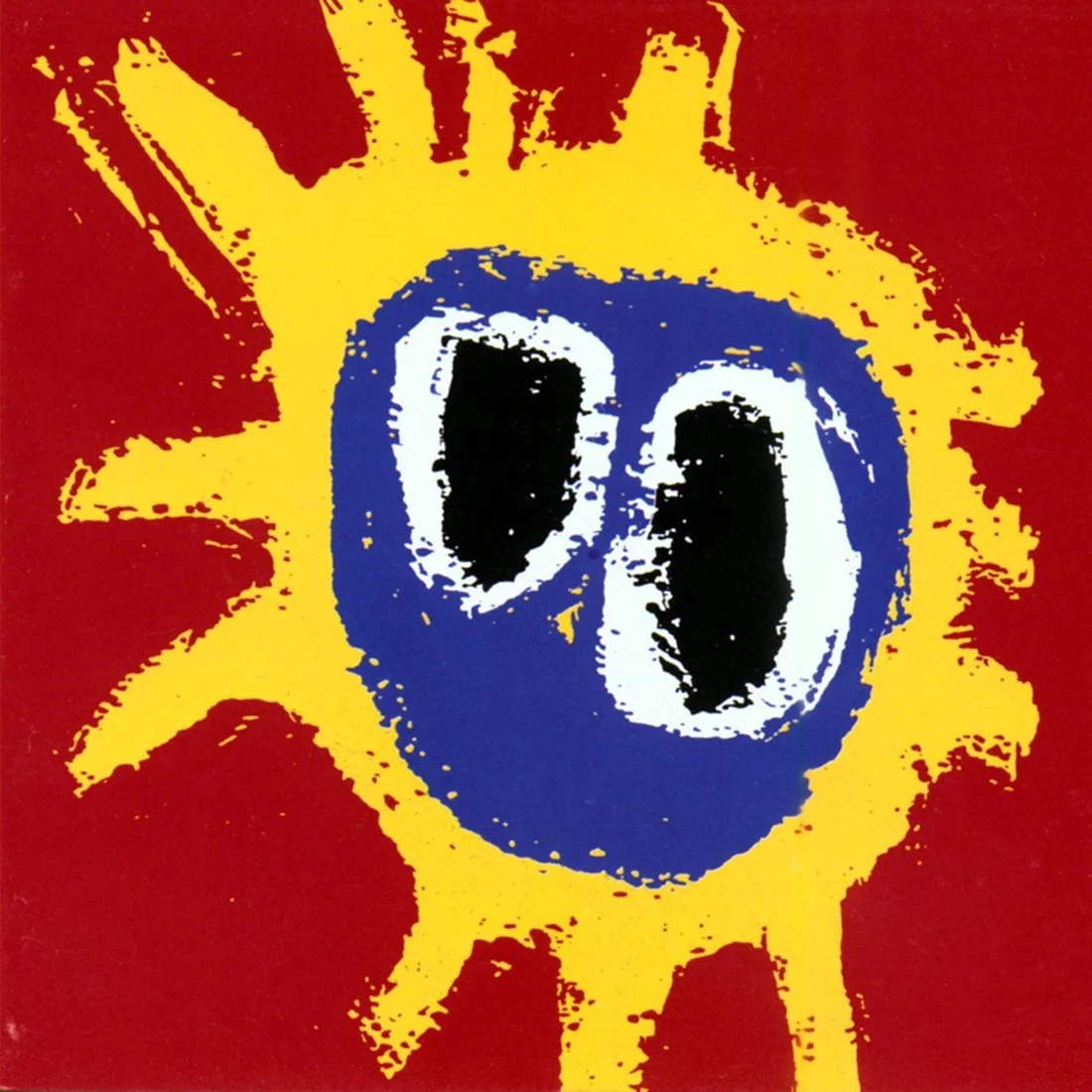
82. Primal Scream – Screamadelica (1991)
Screamadelica is the third album by Primal Scream. This genre blurring record was recorded in what was by all accounts a complete lack of discipline. The sessions resembled a 24-hour drugged out party, which probably comes as no surprise. It is also another record where the vocals were often recorded in the dark with Bobby Gillespie laying on the floor. Mixing rock, acid house, techno, dub, and gospel into a loose, exhilarated statement, it fluidly reflects the collision of club culture and guitar music in 1990s Britain. This is perfect soundtrack to your blissed-out comedowns, spiritual uplift, and hedonism.
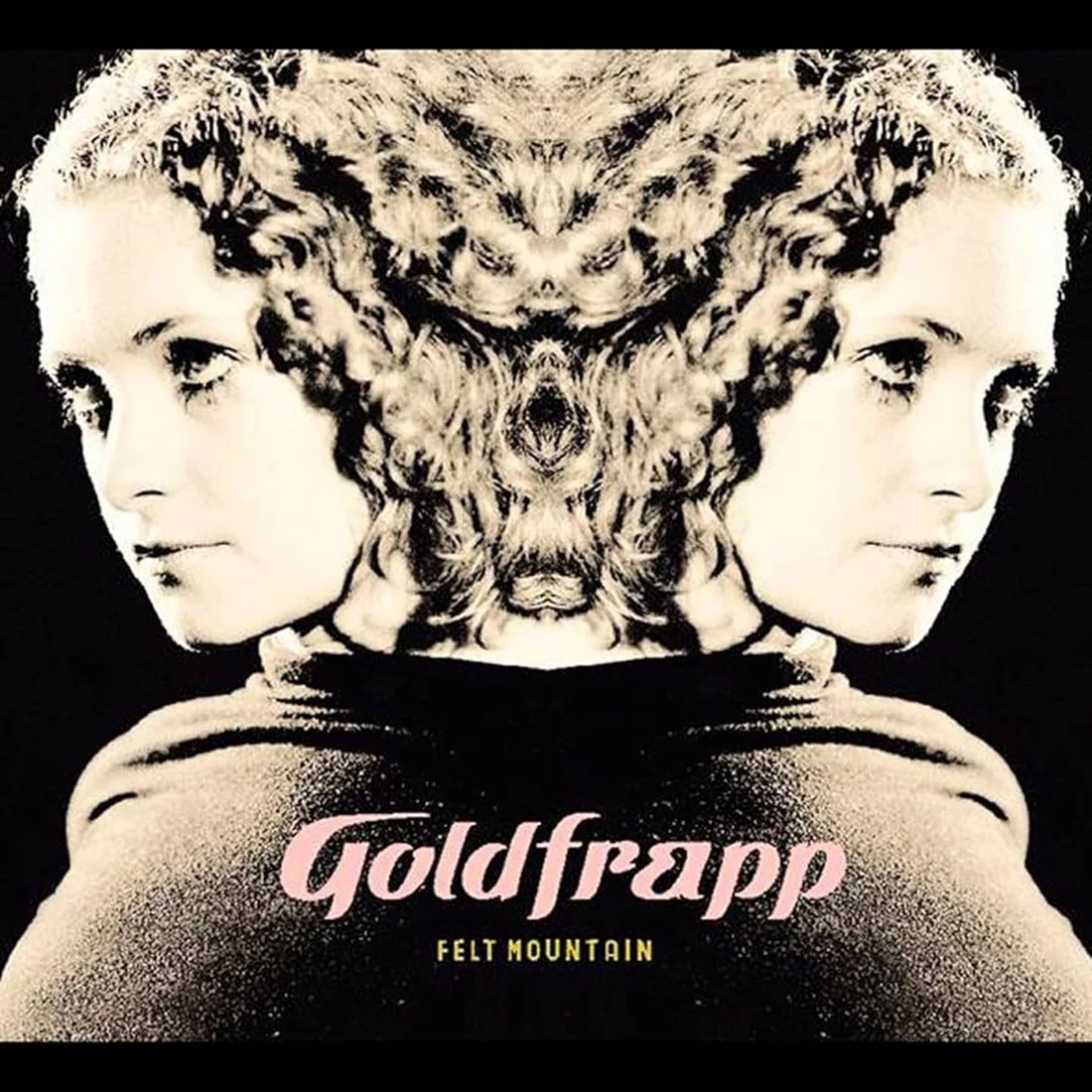
81. Goldfrapp – Felt Mountain (2000)
Recorded in a rented, mice infested bungalow in Wiltshire, Felt Mountain is the haunting, cinematic debut by duo Goldfrapp. Ambient, trip-hop, cabaret, orchestral pop… graceful and bleakly strange. It is an album that sits in its own kind of slow, meticulously crafted melancholy. It feels deliberately and stylishly out of time, as if drawing on classic film scores.
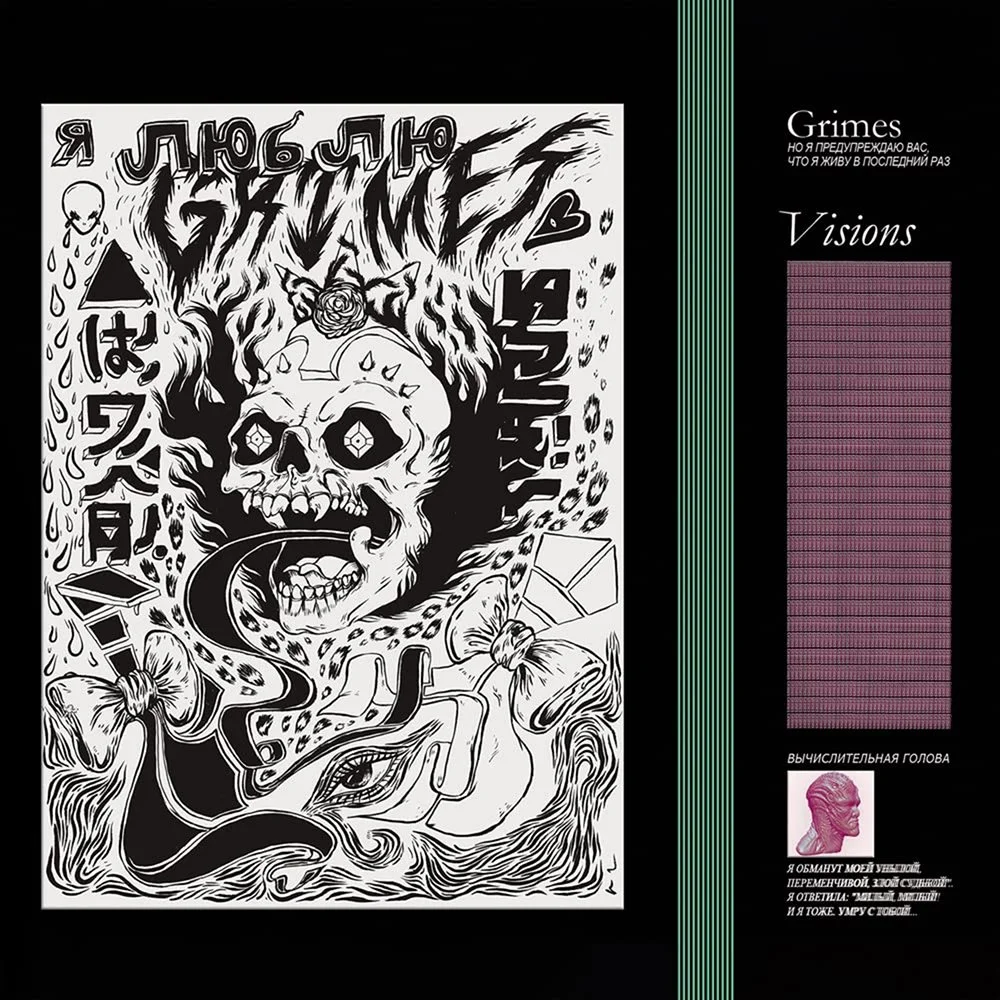
80. Grimes – Visions (2012)
Canadian artist Grimes is a polarising figure, but Visions is an undeniable landmark of the “DIY artist” era. The album is a result of being locked in a bedroom for three weeks, fuelled on amphetamines, prolonged fasting, Post-it notes with lyrics covering the walls, and garbage bags blocking out all sunlight. Recorded on GarageBand, it serves as a fascinating parade of what can be accomplished with limitations. Helping reshape pop, this turning point marks a bridge between indie internet-era home production and the mainstream.
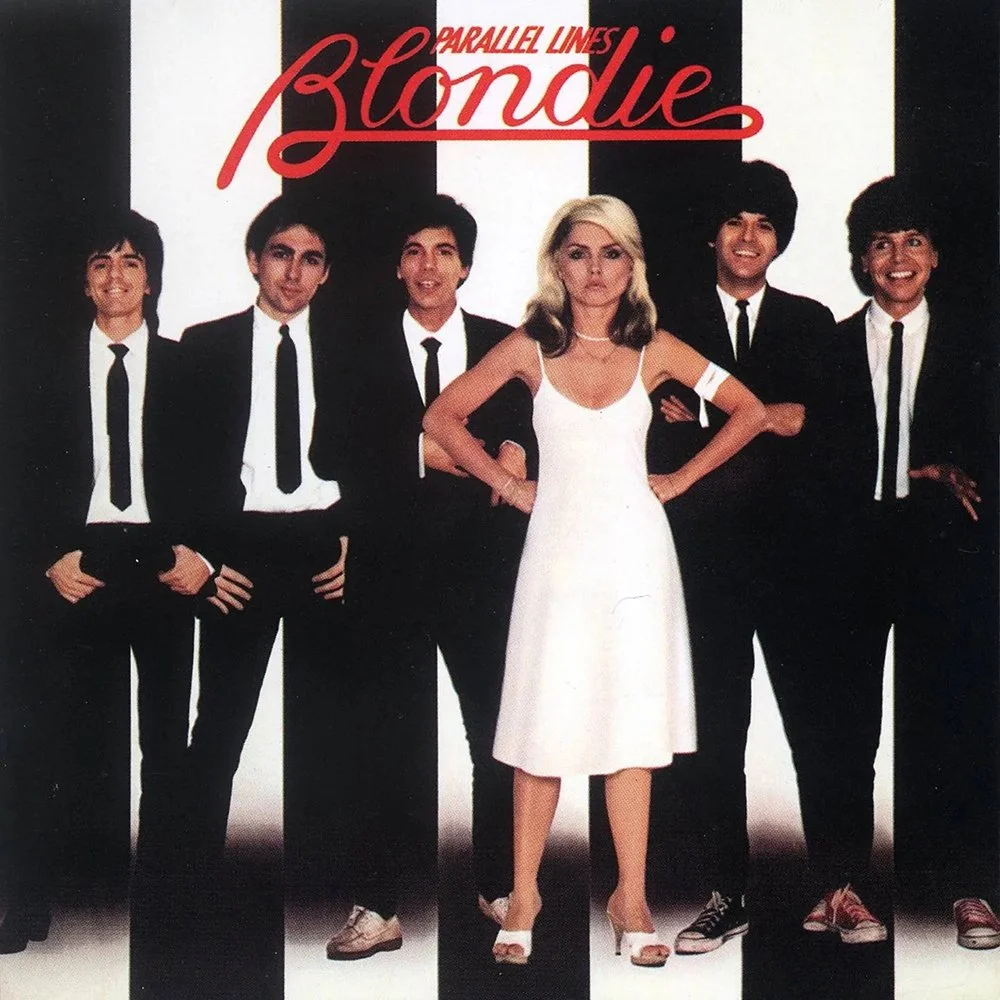
79. Blondie – Parallel Lines (1978)
The third album by American band Blondie marks the moment they broke from what was the New York CBGB punk scene. With the aid of producer Mike Chapman… who in his own words said to the band in an Adolf Hitler fashion, “You are going to make a great record, and that means you’re going to start playing better,” they created the radio-ready sound of Parallel Lines. The album, however, does not lose its bite or attitude. Debbie Harry’s presence is central throughout: cool, charismatic, and effortlessly commanding.

78. Animal Collective – Merriweather Post Pavilion (2009)
Merriweather Post Pavilion by American group Animal Collective is a dazzling, luminous, trippy pop album. It is probably the most three-dimensional record on this list. It magically fuses psychedelic and electronic production to create a kaleidoscope that likely sounds great on the devil’s lettuce… Sessions were treated like a rave, guitars were used sparingly, outside the studio field recordings were made every place the band members went. The recording was a laboratory rich in experimentation. If you like this, go check out Smiley Smile by The Beach Boys.
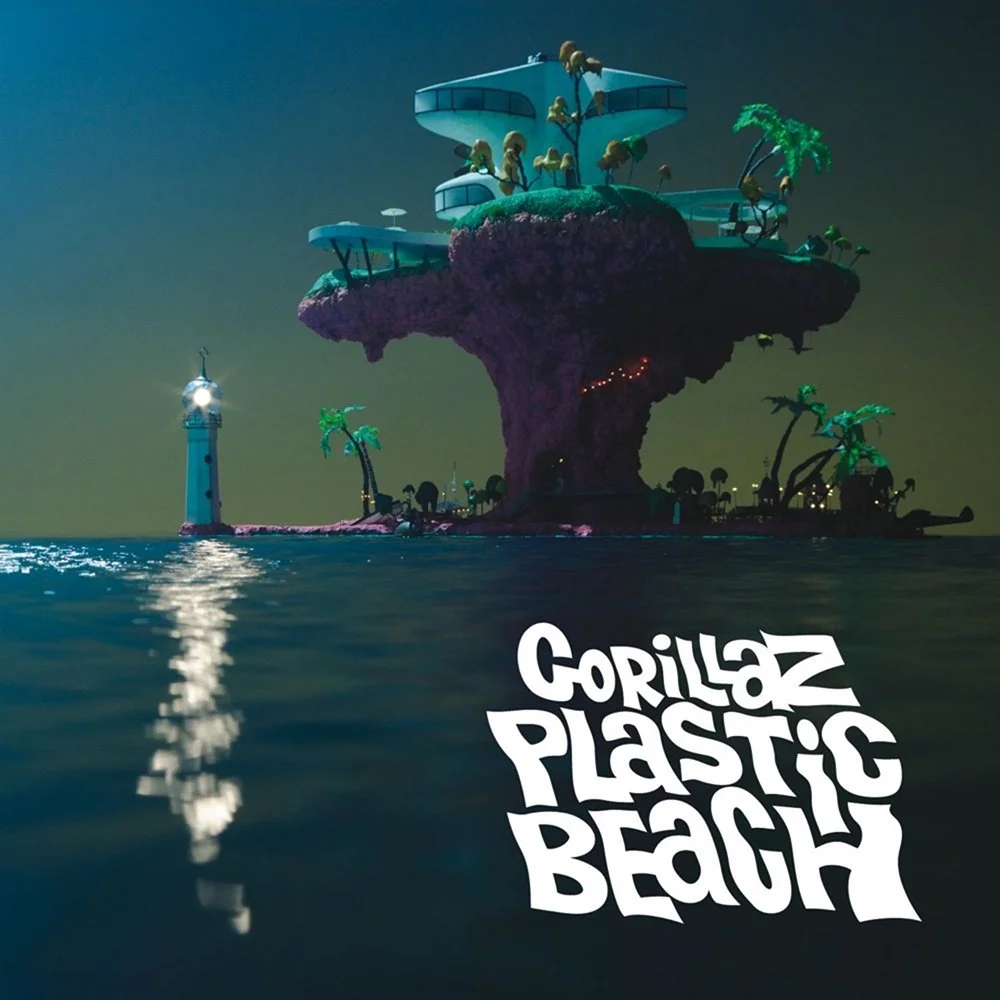
77. Gorillaz – Plastic Beach (2010)
Gorillaz, the virtual band created by British national treasure Damon Albarn, knocked it out of the park with Plastic Beach. The glossy LP is a sprawling concept album about a synthetic island built from cultural and environmental debris. Albarn flew the Syrian National Orchestra for Arabic Music from Damascus to London for the sessions. Initially they refused to play on a hip-hop beat but with a little coaxing form Albarn, and him playing melodica, the magic soon happened. Touching on consumerism, artificiality, and isolation, and also with collaborations with the likes of Lou Reed and Snoop Dogg, it is a sleek but uneasy vision of modern excess.
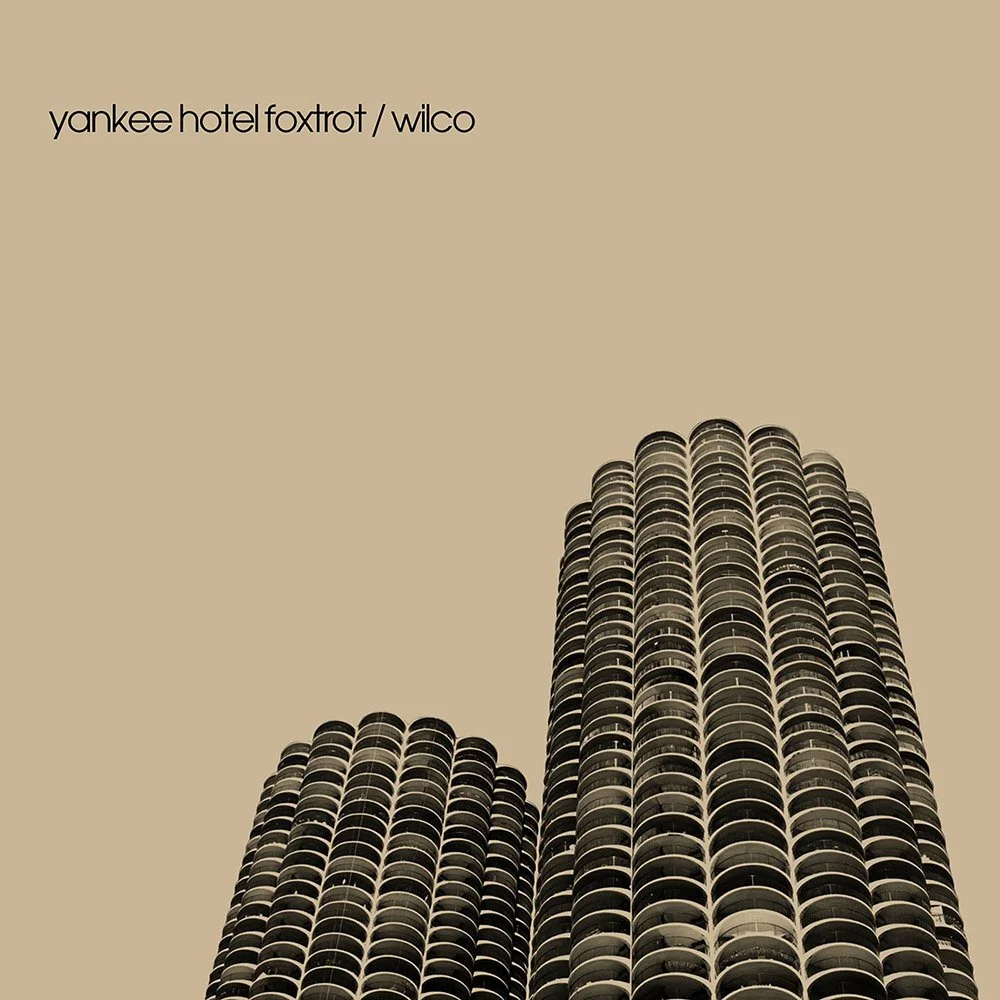
76. Wilco – Yankee Hotel Foxtrot (2001)
Yankee Hotel Foxtrot is the fourth album by American band Wilco. Originally, it was released for free on their website after major label rejection – no surprise that a major label had no taste – it is now widely regarded as a modern masterpiece. The recording was also fraught with internal tensions, severe migraines and panic attacks. This atmosphere feels imbedded into the sound, with songs often beginning in familiar territory before subtly breaking apart.
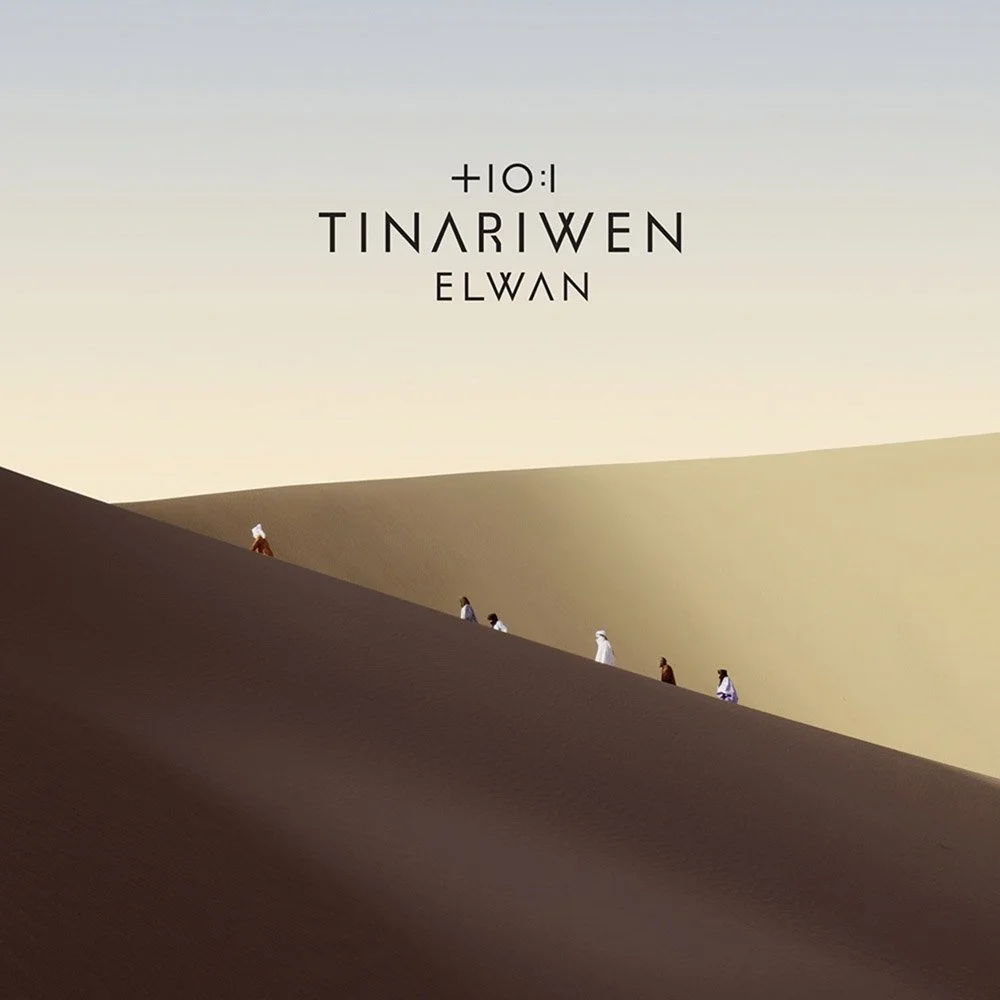
75. Tinariwen – Elwan (2017)
Elwan is a desert blues album that captures Tinariwen’s nomadic Saharan identity through spellbinding guitar work and communal vocals. Recorded across multiple locations due to political instability in Mali, and without headphones, the record carries a restless, searching quality. Recording sessions were also strictly governed by the Tuareg tea ritual. The group would record a take, then stop for a full hour to brew three rounds of tea. Music did not happen unless there was tea and a pace dictated by a charcoal fire. Firmly rooted in tradition but shaped by displacement, the album is the definition of lush.
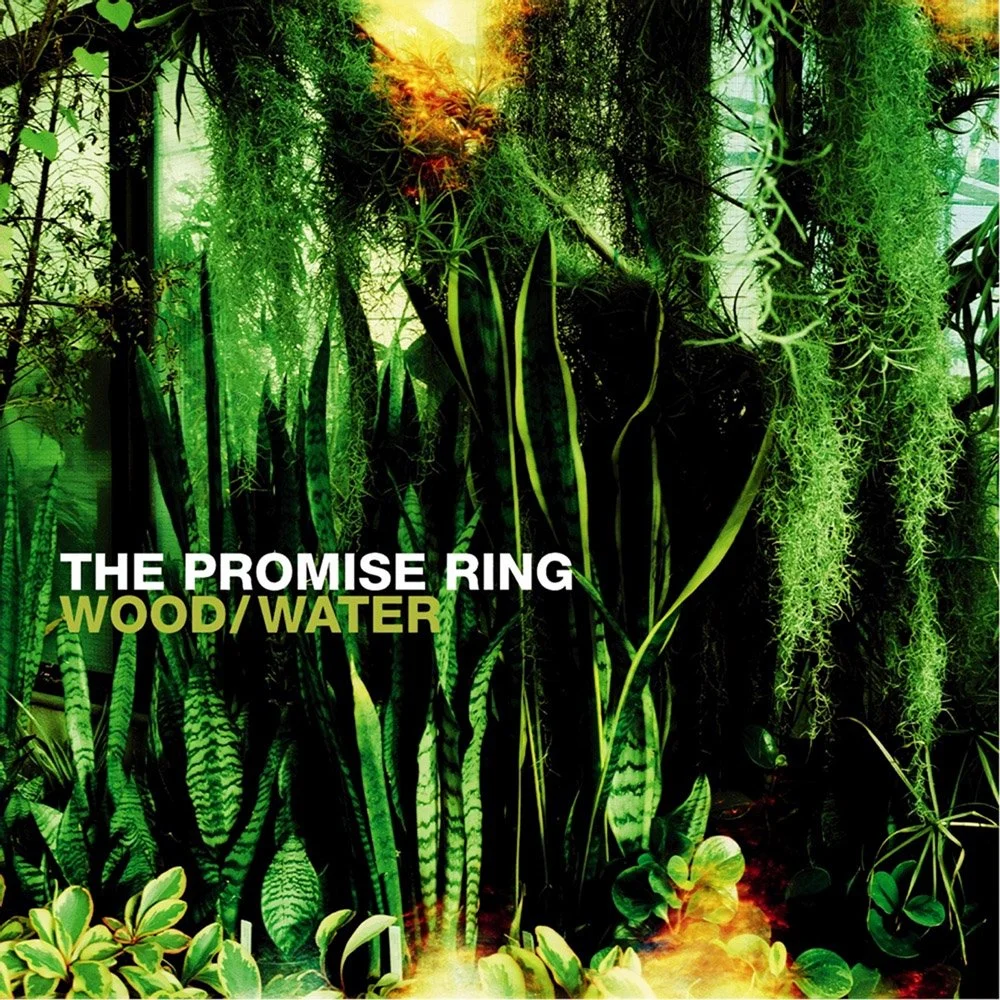
74. The Promise Ring – Wood/Water (2002)
Subtle, thoughtful, Wood/Water is the fourth and final album by The Promise Ring. The LP marks a clear shift from their earlier youthful emo and pop-punk sound. Here the energy is something decidedly more mature and tender. The character of the record is a result of lead singer, Davey von Bohlen, having recently undergone surgery for a brain tumor that forced him to sing in a breathy register. Themes of adulthood, relationships, and everyday detail crop up in the introspective lyrics. This record may have alienated many of their die-hard fans upon its release, but it has only grown in stature since.
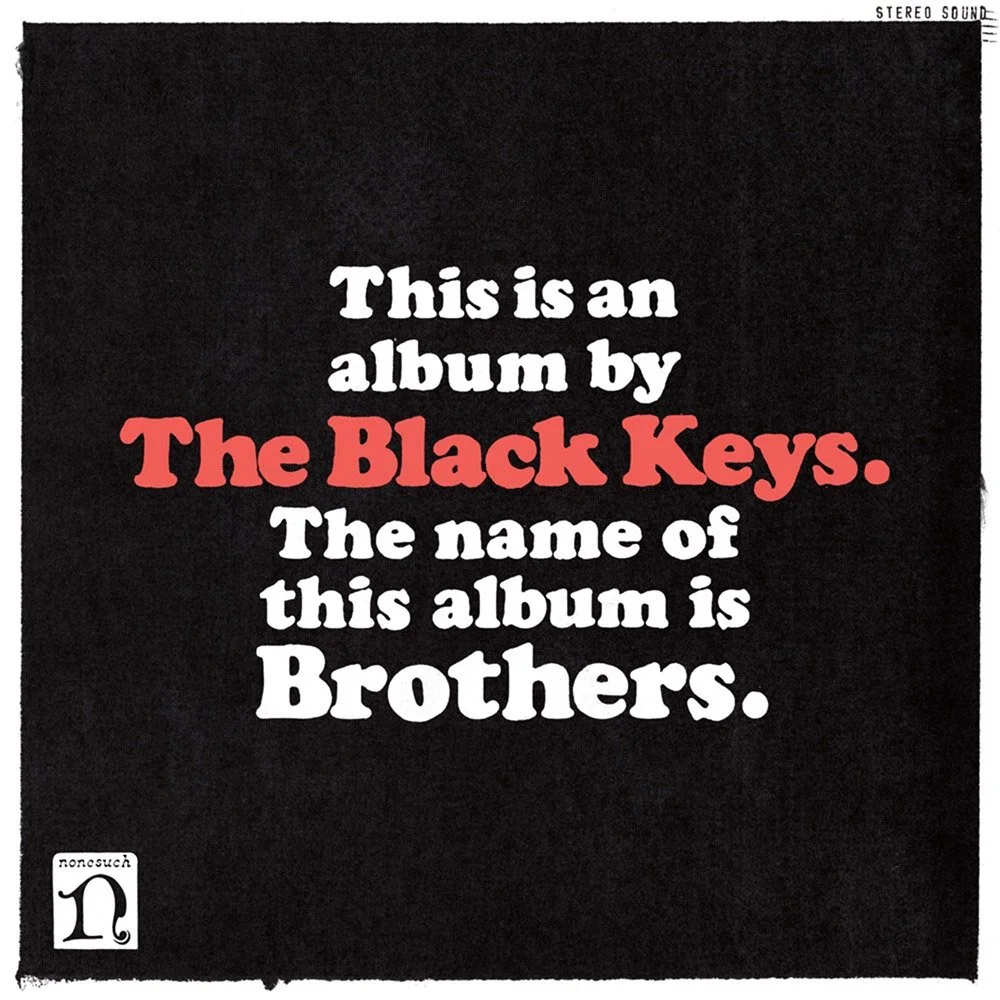
73. The Black Keys – Brothers (2010)
Brothers is the slow burning sixth album by American rock band The Black Keys. Off the back of personal tensions that nearly split Dan Auerbach and Patrick Carney, the duo managed to bury the hatchet and record what is widely considered a high point in their career. Heavy on the grooves, bluesy, lush low end, earworms abundant. Every song has something to say whilst finding that sweet spot of grit and texture.

72. Bon Iver – For Emma, Forever Ago (2007)
For Emma, Forever Ago is the debut album by American indie folk band Bon Iver. Primarily the work of singer-songwriter Justin Vernon, it is a collection of songs built from solitude and fragile melodic fragments. Intimately recorded in a cabin between late 2006 to early 2007, it is a beautifully unpolished work where room ambience, tape hiss, and subtle layering imbue a warmth that is unrivalled.
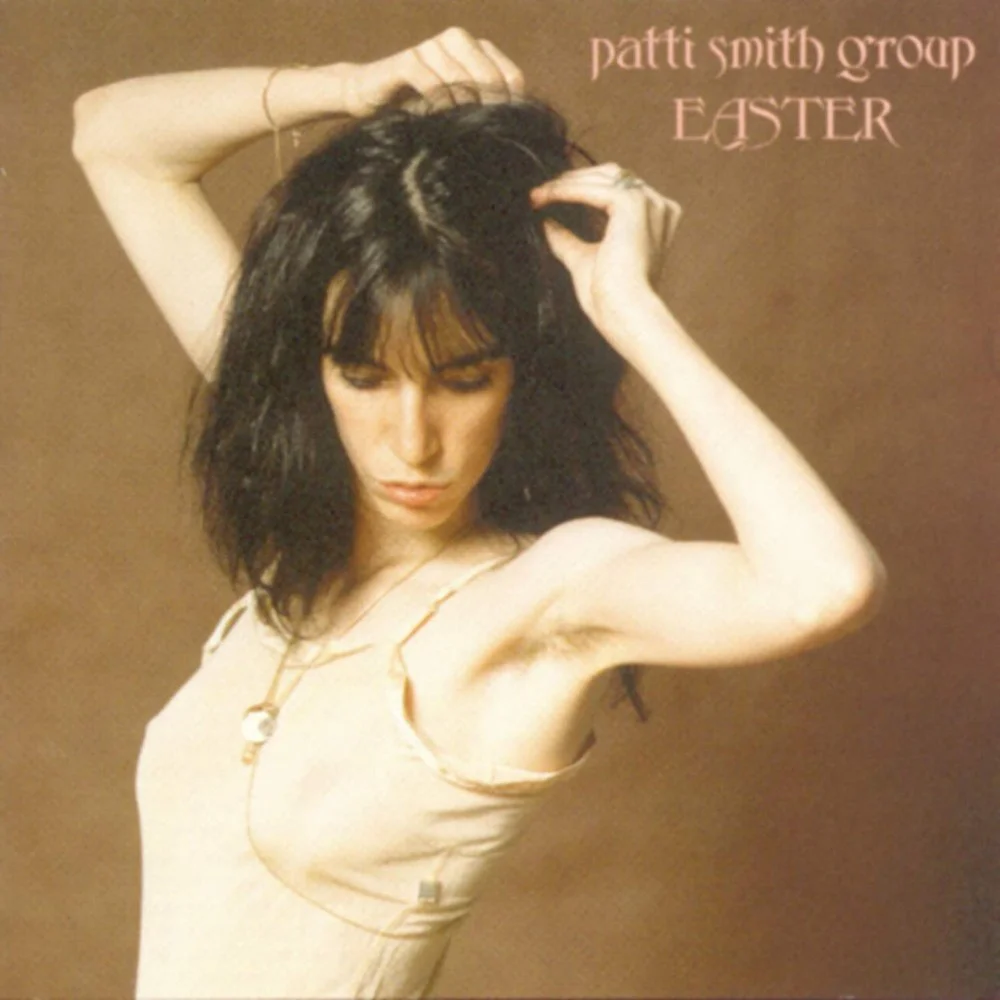
71. Patti Smith Group – Easter (1978)
Easter is a transitional and defining moment in Patti Smith’s evolution, where raw punk is reformed into a rousing and more focused form by Jimmy Iovine. Smith recorded Easter while recovering from breaking several vertebrae in her neck after falling off stage. Often wearing a neck brace whilst recording her vocals. Lyrically, the album continues her fusion of poetry, spirituality, political awareness and emotional directness. Easter honed her role as one of the era’s most unique and uncompromising voices.
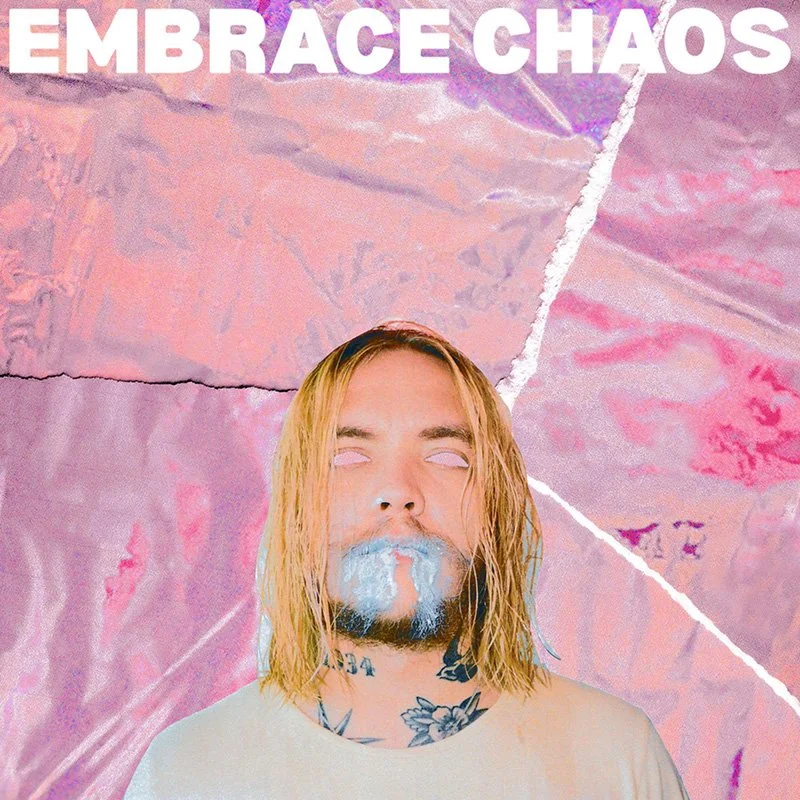
70. ALIAS – EMBRACE CHAOS (2024)
The riveting EMBRACE CHAOS will transport you to the vanguard of Canadian-French neo-psych. Unlike previous records by ALIAS, this LP trades in the guitars for synths in what is a masterclass of modern, moody, cinematic, and hallucinatory experimentation. This one is a rewarding, bombastic, and disjointed listen best served via headphones.
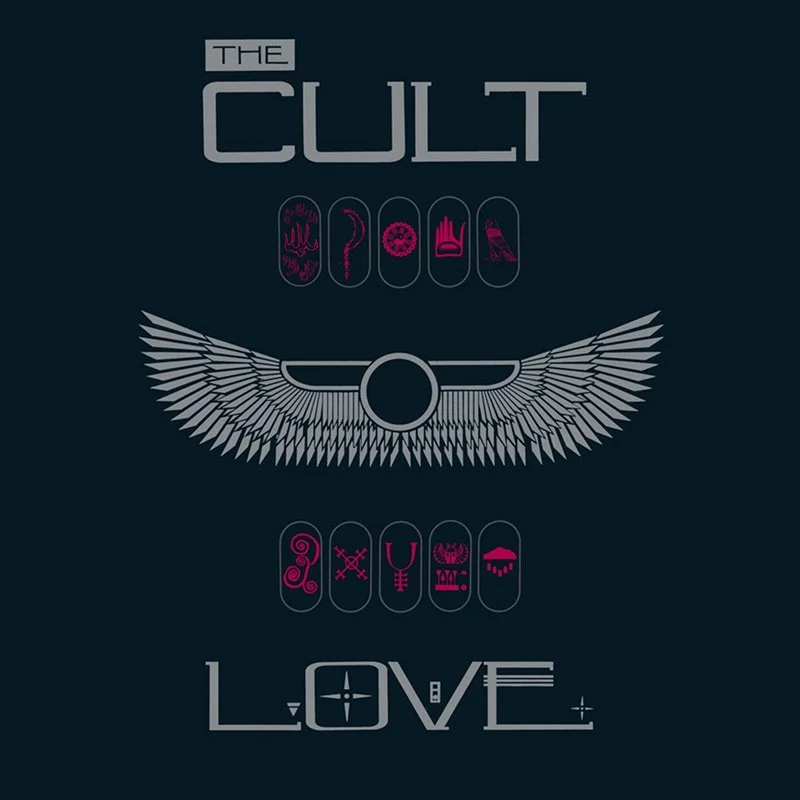
69. The Cult – Love (1985)
Love is the gothic second outing for The Cult and major commercial breakthrough. From the shamanic power of Ian Astbury’s vocal takes… whilst draped in beads, furs, and scarves, Nigel Preston’s possessed one take drums, Billy Duffy’s huge guitar tones and the discipline of producer Steve Brown… this album is a total rejection of the thin indie sound of the 1980s.
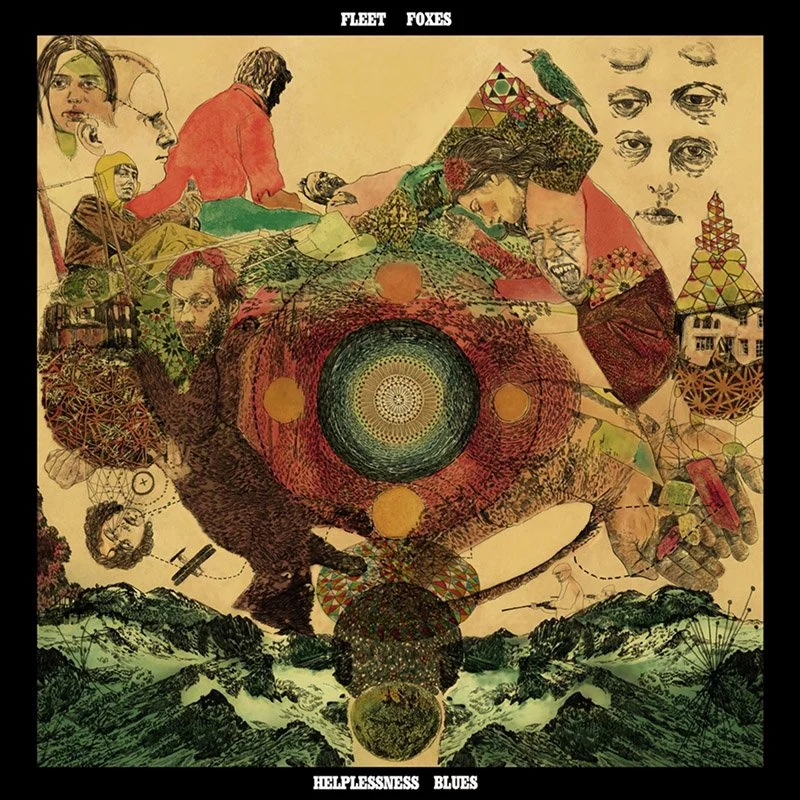
68. Fleet Foxes – Helplessness Blues (2011)
Helplessness Blues is the catchy and melodic second album by American band Fleet Foxes. During recording, Robin Pecknoldpushed himself so hard that he developed vocal nodules and had to spend a long period of time silent. However, the creative record is clean, naturalistic, pastoral indie folk at its finest and will please fans of The Everly Brothers and Simon & Garfunkel. Unbeatable vocal arrangements, acoustic instrumentation, and occasional orchestral touches are painted onto a sonic canvas creating something truly reflective and philosophical.
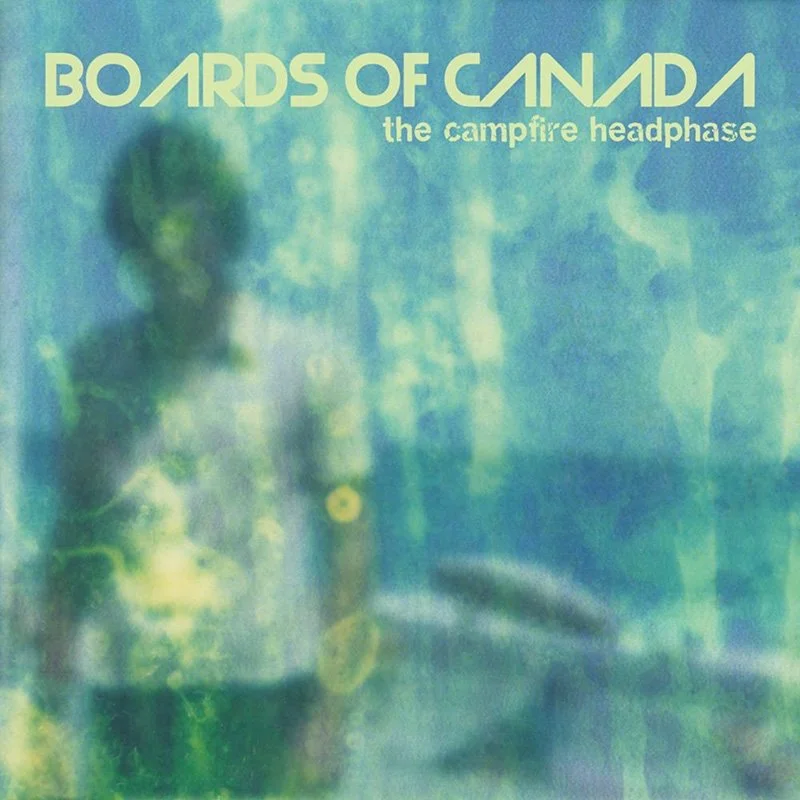
67. Boards of Canada – The Campfire Headphase (2005)
The Campfire Headphase is one of the many striking and evocative albums from the mysterious Scottish brothers, Boards of Canada. Across sixty-two minutes, we are parachuted into a pristine sea of beautifully organic, almost pastoral folk, layers. Fluid, dreamlike, and woozy, it is one of the most beautiful electronic albums ever made.

66. Fiona Apple – Tidal (1996)
Recorded to no click track and on a diet of cigarettes and coffee, Tidal is the mature and forthright debut of American artist Fiona Apple. Built around piano-driven alternative pop tracks the record injects strong jazz and soul influences in all the right places. The album is most notable for its stark, emotionally direct songwriting that touches on identity, relationships, and inner conflict. This is all done with an unusual clarity, especially considering her age was just eighteen on its release.
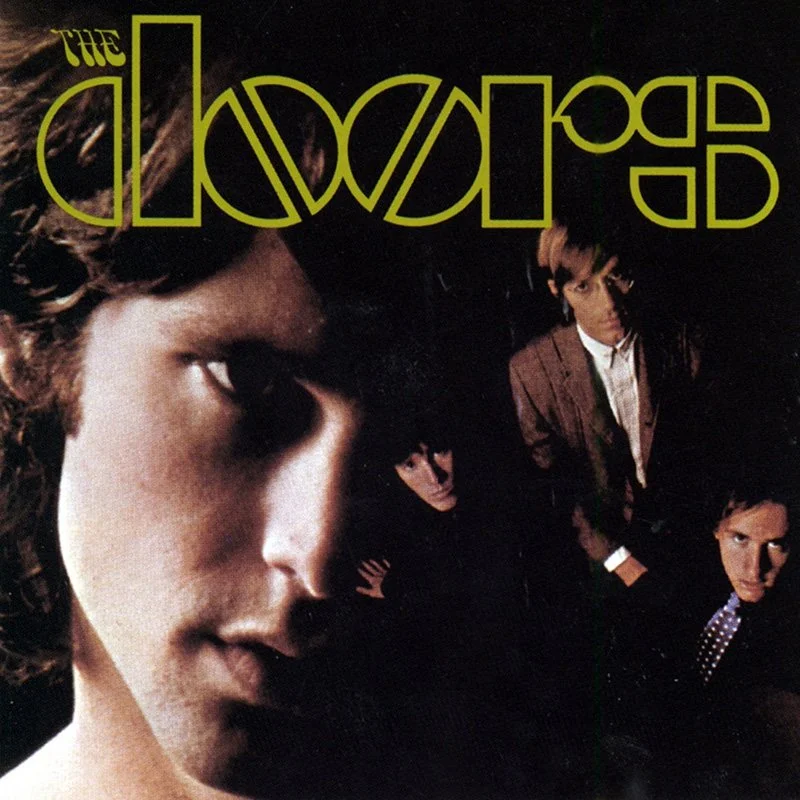
65. The Doors – The Doors (1967)
The Doors by The Doors is the debut that introducing a band defined by atmosphere, tension, and psychological intensity. Recording was treated like a live set and took a week to complete. Those sessions were still awash with booze, drugs and chaos. At the eye of the storm was Jim Morrison, with mysticism, eroticism, urban unease, and countercultural rebellion oozing from his baritone delivery. Something supernatural happened when the world heard his crooning and saw his leather trousers. The record is theatricality explosive and simply era-defining.
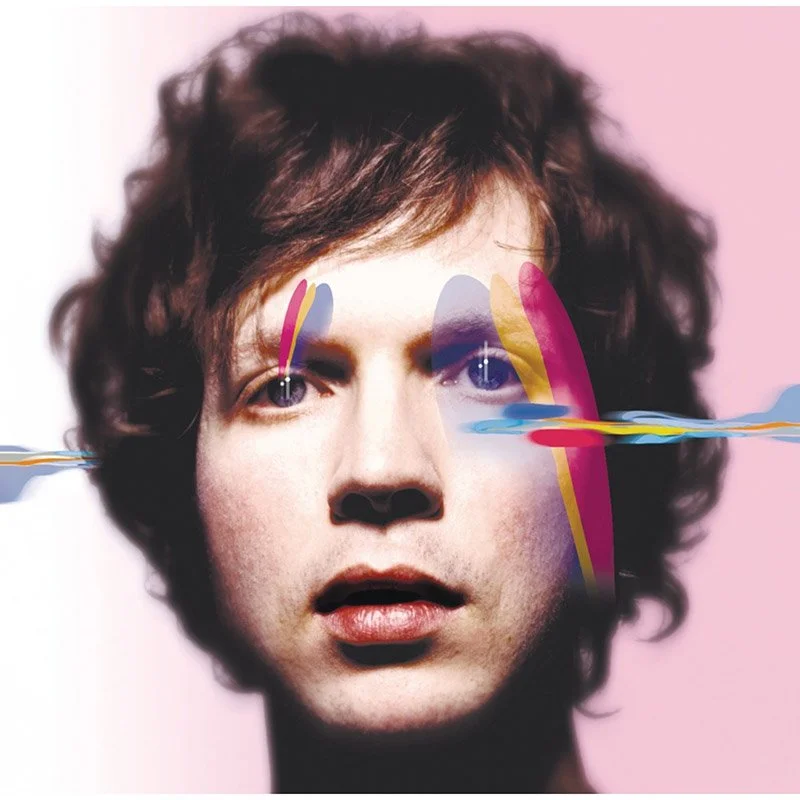
64. Beck – Sea Change (2002)
Beck had firmly established himself as a true innovator by the time he came round to his eighth record Sea Change. With Nigel Godrich at the production helm, this is a quiet but decisive shift in the artist’s career. Weary, emotionally exposed songwriting is at its core. Themes of heartbreak and dislocation, shaped by the end of a long relationship, are woven into an atmosphere where absence is as important as arrangement.
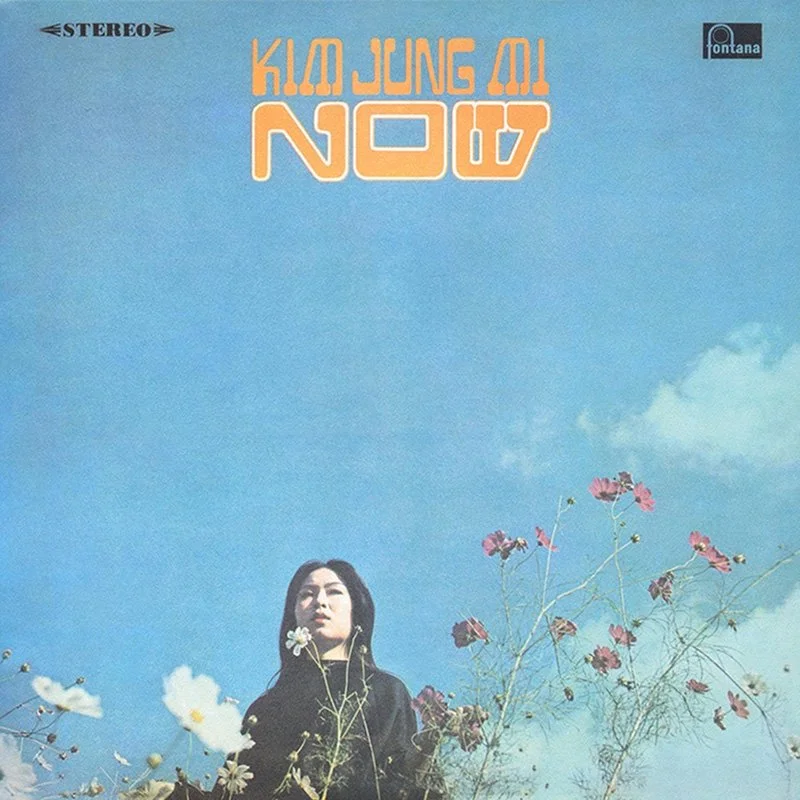
63. Kim Jung Mi – Now (1973)
Now is a quietly striking Korean psychedelic folk record released during Park Chung Hee’s military dictatorship. Deemed vulgar, anti-social, decadent, and Western-influenced by the regime, Kim Jung Mi was caught in a severe cultural crackdown that saw her as an existential threat to Korean values. Now was censored, confiscated, and nearly erased from the historical record. Kim Jung Mi was also banned from performing, which ended her music career. Today, this LP stands as a cult classic of Korean rock and is valued for its fragile beauty.
62. DARKSIDE – Psychic (2013)
Psychic is the fascinating and engrossing record from DARKSIDE. Then comprised of just Nicolas Jaar and Dave Harrington, they dissolve the line between live instrumentation and studio manipulation. Over forty-five minutes they create enamouring, stretching and evolving soundscapes. This album talks the language of multiple genres from electronic, psych, and ambient.
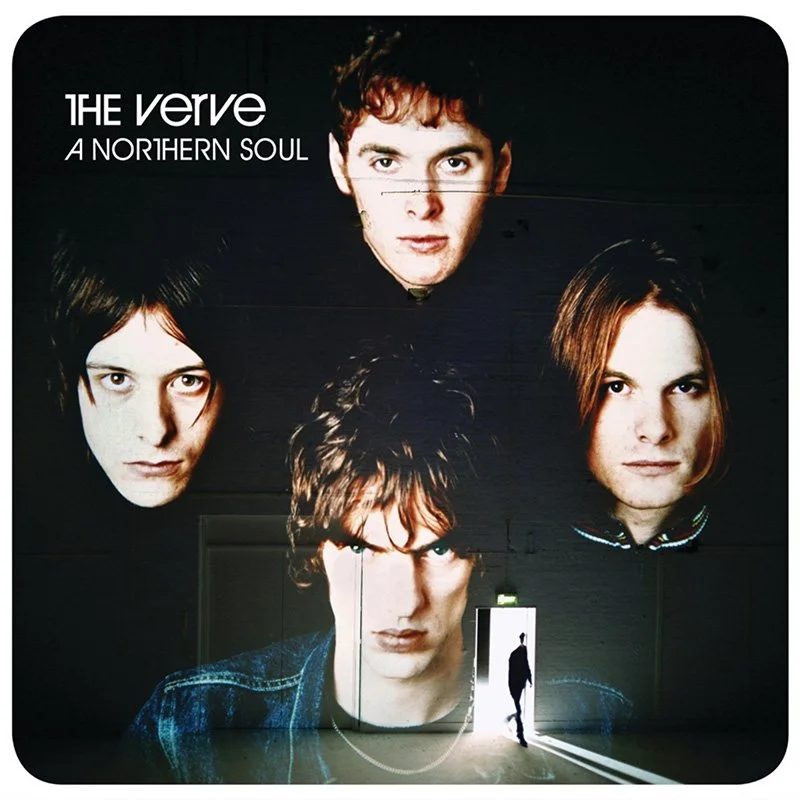
61. The Verve – A Northern Soul (1995)
Constructed on drug-fuelled jams, A Northern Soul is the dense, inward-looking album by The Verve. Focusing on emotional strain, identity, love, addiction and the slow unravelling of relationships. It is the sound of a deeply troubled band on the edge. The hedonism during recording resulted in the totalling of cars, members going AWOL, the decision that they only did good takes on Wednesdays, destruction of studio equipment… Restraint was observed once when they only debated where to destroy a £100,000 tape machine. Oasis producer Owen Morris was at the helm and he avidly joined in with the club atmosphere and chaos. At the end Morris said he could never work with The Verve again due to genuinely being on the brink of a nervous breakdown.

60. Oasis – (What’s the Story) Morning Glory? (1995)
(What's the Story) Morning Glory? is the pinnacle of the Britpop era. Derivative of the greats… yes. One song “Step Out” even being omitted at the last minute due to legal action by Stevie Wonder … but the cultural impact is undeniable. More confusing for hard-core Oasis fans is that the B-Sides like “The Masterplan” and “Acquiesce” were often better than the twelve we have here. But the album is irrefutably perfect regardless. With Owen Morris as joint producer with Noel Gallagher, it was recorded in-between fights with cricket bats and Liam bouncing sprouts of his brother’s head. That’s before we get to the drug intake. Even Morris, fresh from his near nervous breakdown with The Verve, was pummelling powder up his nose while trying to finish the record. A landmark in the loudness wars, the UK has probably never been as confident since. We also need a film on the life of Morris.
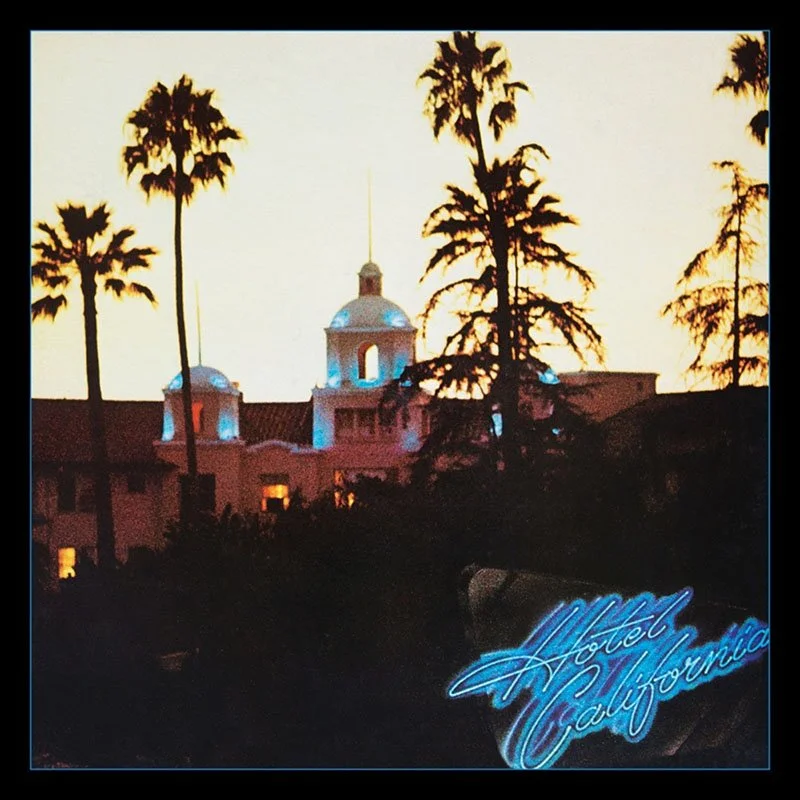
59. Eagles – Hotel California (1976)
Please bring me my wine as we are now at the Eagles’ fifth album. Hotel California is an intricate, smooth rock masterwork that has no doubt been played on many a dark desert highway… and also danced to: Some to dance to remember. Some to forget. The lyrics on Hotel California, as you can tell, are etched into eternity, depicting a cynical edge to the American dream.
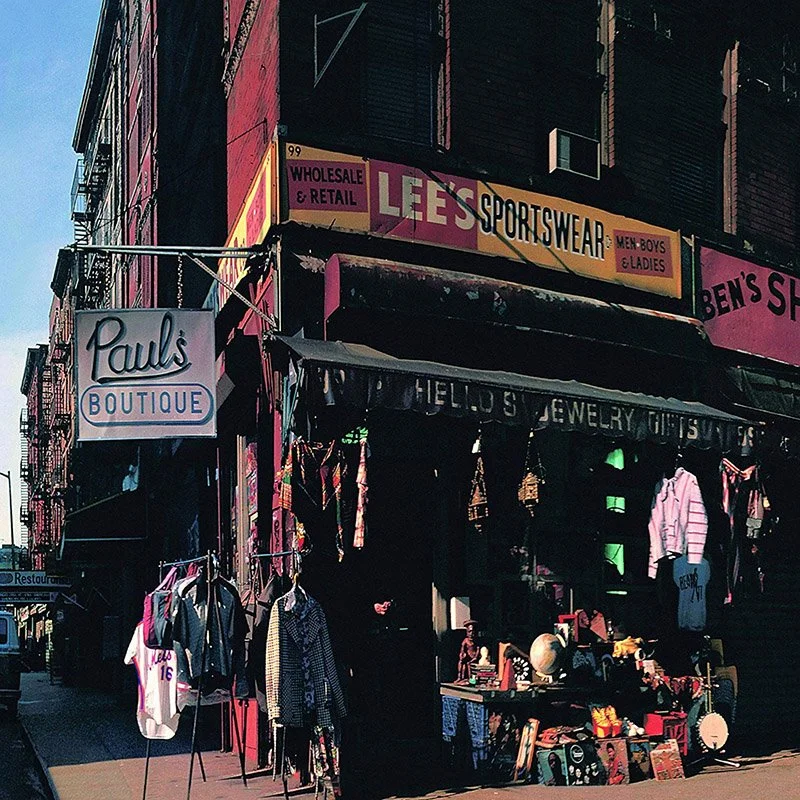
58. Beastie Boys – Paul’s Boutique (1989)
After their bratty, frat-boy, rap-rock beginnings, the Beastie Boys were maybe written off as one hit wonders. With their second album, Paul’s Boutique, they made an album that, today, would be a legal licensing nightmare. Built on a mountain of samples assembled by The Dust Brothers, the record helped forge a new path for alternative rap. It is an album so different that (this is a theme in this list) their corporate record label didn’t know what to do with it. Fortunately, the complete lack of label support helped them shake their teen idol image.

57. The Sex Pistols – Never Mind the Bollocks, Here’s the Sex Pistols (1977)
Never Mind the Bollocks is the definitive and most influential statement of British punk. It is the only album by The Sex Pistols and despite the outward anarchic image of total musical incompetence it is a methodically produced wall of provocative sound. Nowhere is this more evident than when closely inspecting who helped produce the record. Chris Thomas was a protege of George Martin and worked on The White Album. He treated the Pistols with the same technical respect he gave The Beatles. Snarling, defiant, angry and totally perfect.
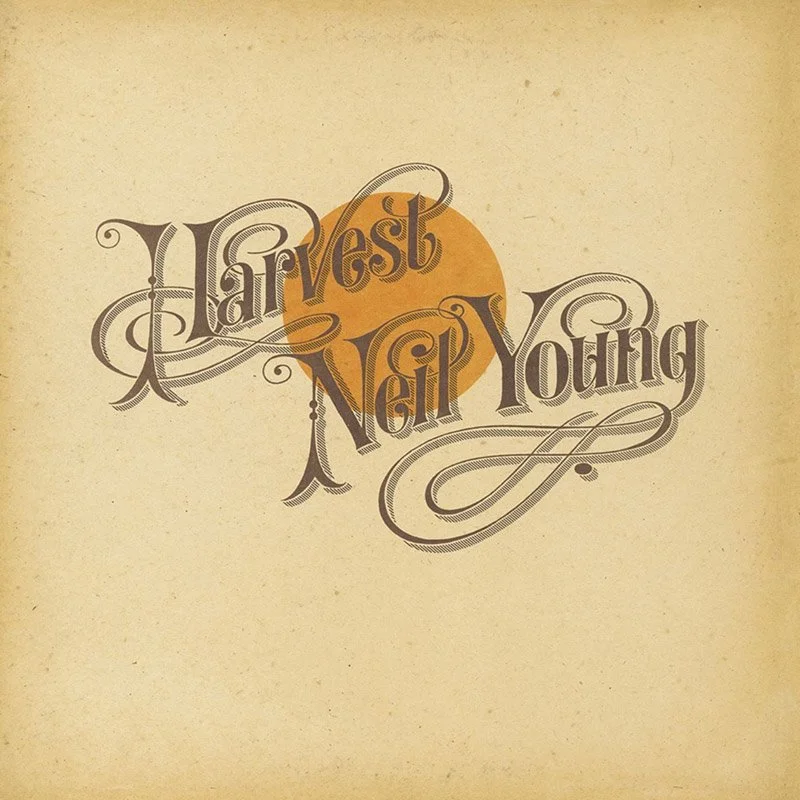
56. Neil Young – Harvest (1972)
Despite suffering from a back injury and wearing a brace, Neil Young gave the world a beautiful, sentimental record with Harvest. Country, folk, and rock are brought together with a contemplative touch. The mood is warm, understated, personal and unvarnished. This is likely due to recording the album in a hay barn. The lyrics touch on love, loss, and uncertainty. Many of these songs feel like the soundtrack to American panoramas, and like those places they are unpretentious, direct and enduring.
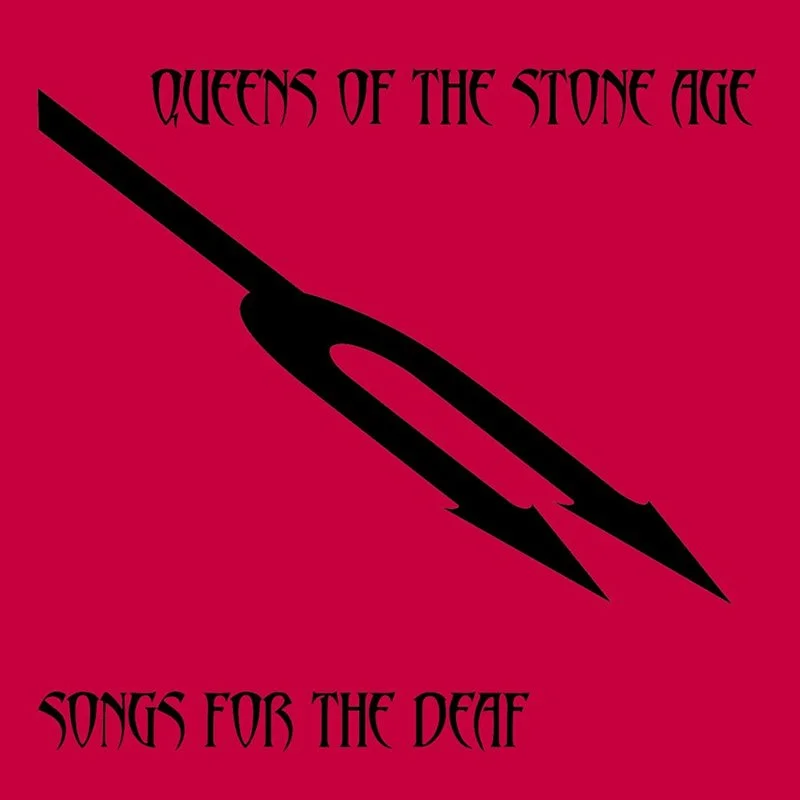
55. Queens of the Stone Age – Songs for the Deaf (2002)
Songs for the Deaf is a little idiosyncratic. No other record really sounded like this at the time. A blast of dry desert air. With their third studio album, Queens of the Stone Age relentlessly serve up an all-killer, no-filler wall of noise.Methodically recorded and without drifting into excess. Bombastic, visceral, this is a disciplined display of what an album should be. Featuring Dave Grohl on drums, Songs for the Deaf elevated the band to global recognition.
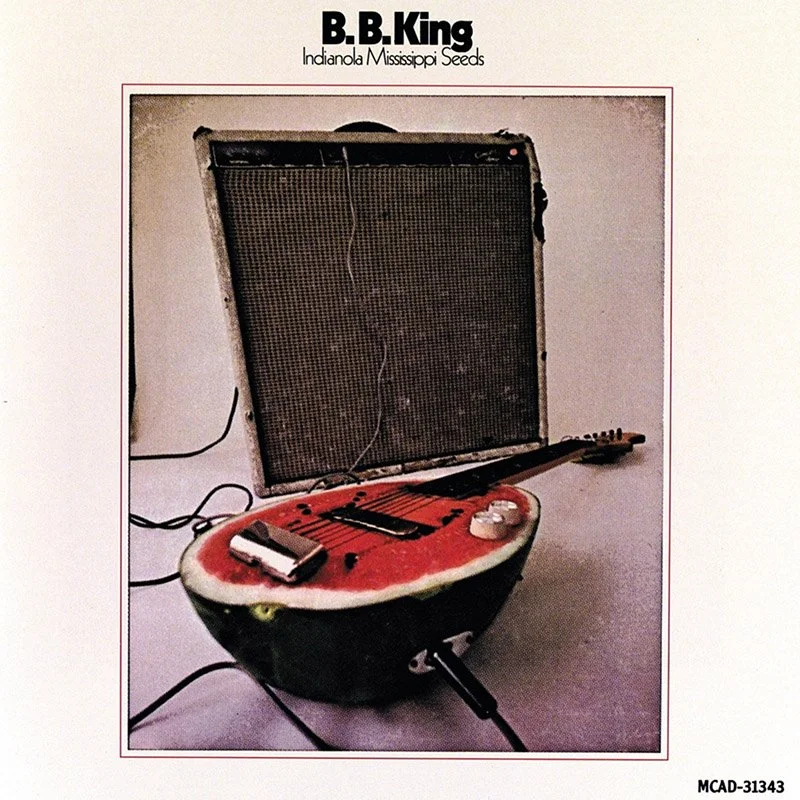
54. B.B. King – Indianola Mississippi Seeds (1970)
Recorded in Los Angeles with Carole King and Leon Russell, Indianola Mississippi Seeds finds the legendary B.B. King expanding his expertise beyond traditional blues... and in turn pushing the genre in a new direction. Contemporary rock and soul are firmly on the agenda along with refined modern production. Although today overshadowed by other records in his catalogue, this is the album that brought King to a wider audience.
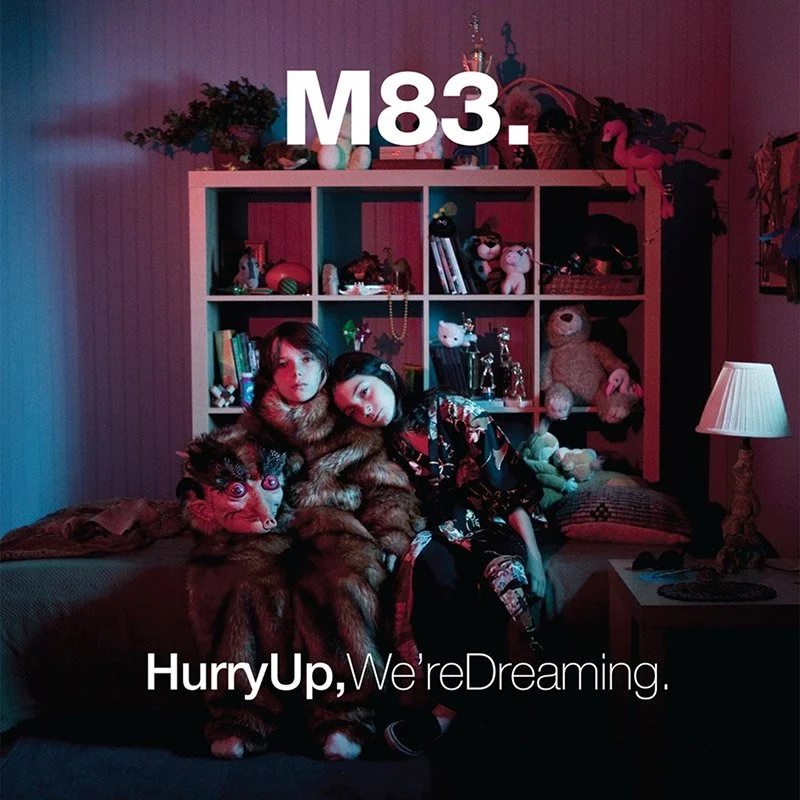
53. M83 – Hurry up, We’re Dreaming (2011)
M83’s double album Hurry up, We’re Dreaming is a cinematic blockbuster of a record. It embraces the cinematic end of 1980s nostalgia and presents it with enough modern gloss to get anyone caught up in the outrageously slick hooks. Not surprisingly it terrified their record label as who would want to listen to a double album in the digital age? Where is the focus on decent music with these labels? The album is disciplined, ambitious and filled with universal anthems.
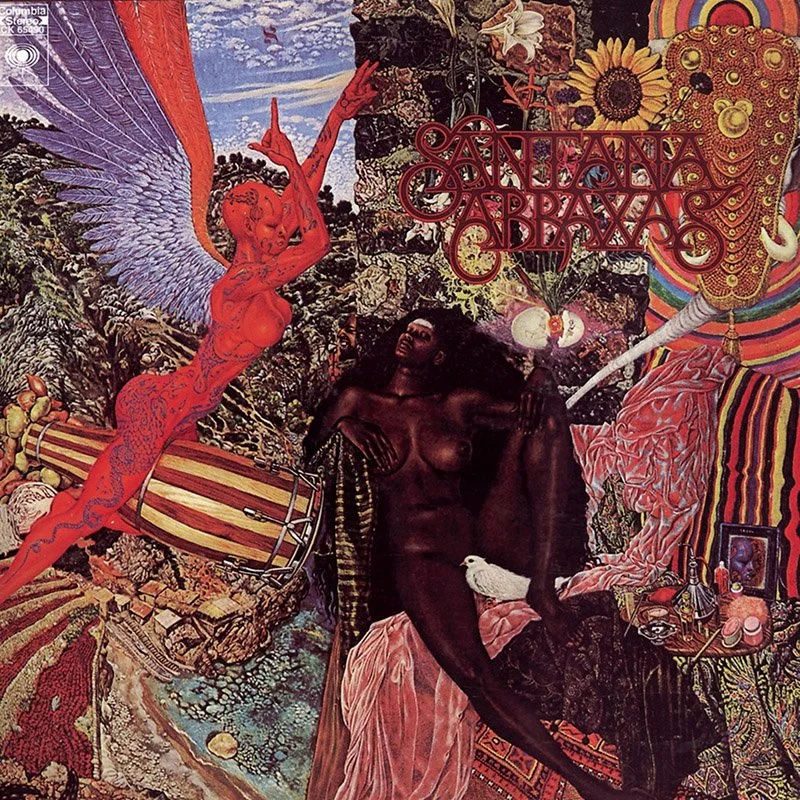
52. Santana – Abraxas (1970)
Building on the success of their performance at Woodstock, Abraxas is the atmospheric second album by Santana. Its guitar tones helped inspire the boutique amplifier industry, it was recorded with modified amps to acquire those creamy guitar tones. The record showcases a high level of sophistication. Afro-Latin rhythms, blues-rock and jazz fusion come together in an epic exploration of duality and spiritual awakening.
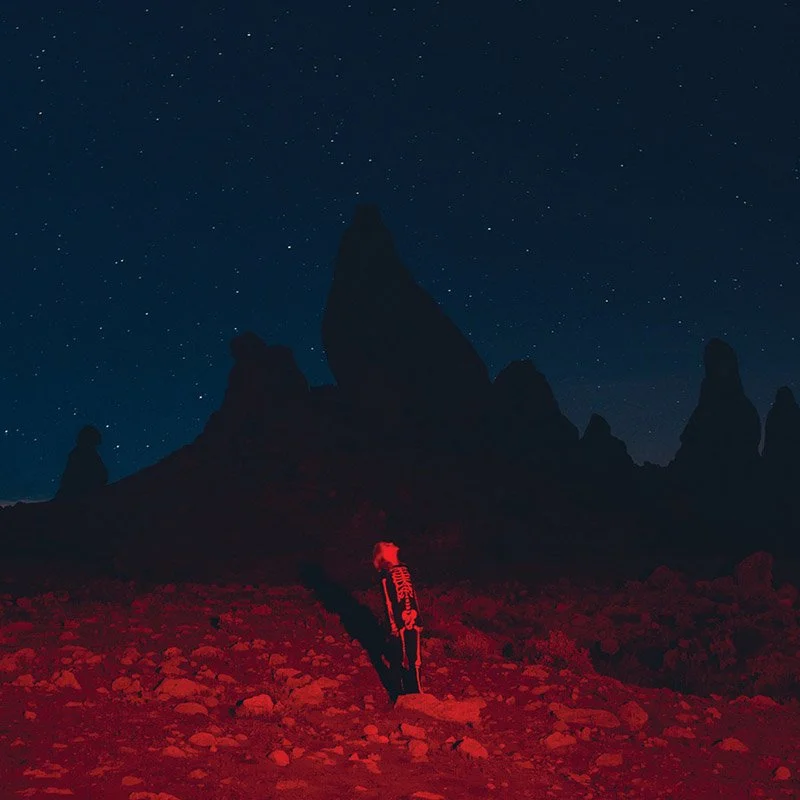
51. Phoebe Bridgers – Punisher (2020)
Punisher is the critically acclaimed, vivid second album by American singer-songwriter Phoebe Bridgers. The songs were developed and refined over a period of three years. Recording work was patient, giving the LP a magical, cinematic intensity and emotional precision. Throughout the slow-burning tracks, often framed with vivid imagery, we are taken on a journey through themes of memory, identity, loneliness, relationships, and mortality.
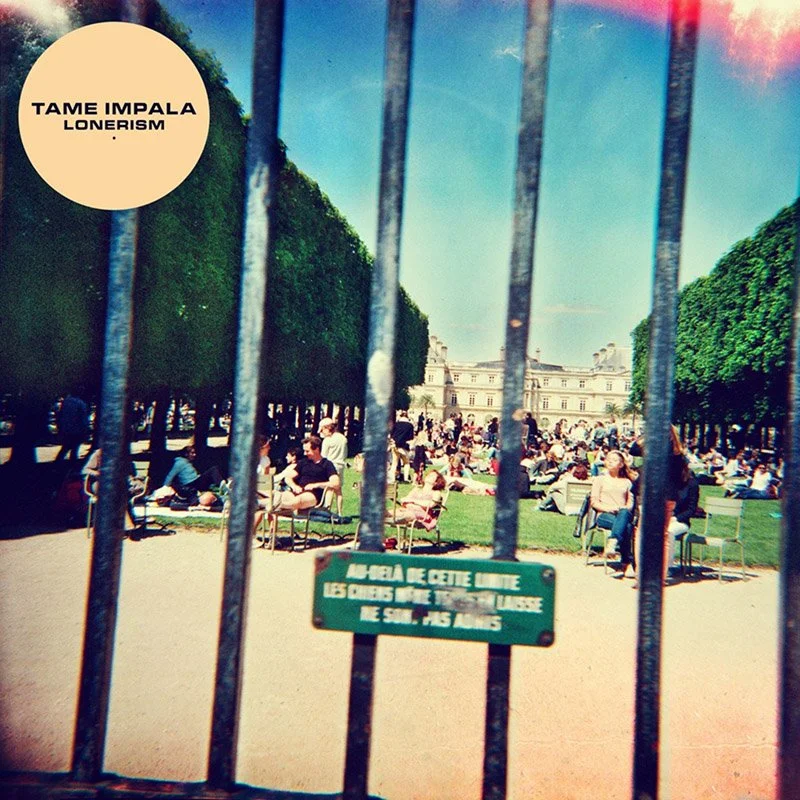
50. Tame Impala – Lonerism (2012)
Lonerism is the second outing of Australia’s Tame Impala. Heavily inspired by Todd Rundgren’s album A Wizard, a True Star, the record massively expanded on the ideas of Innerspeaker. Recorded meticulously and obsessively in hotel rooms, airplanes and at Kevin Parker’s studio, it helped further define and forge the modern psychedelic pop sound. The lyrics explore isolation, social anxiety, and detachment. The album frames inner turmoil in a dreamlike and fragmented sound that Kevin Parker is legendary for.
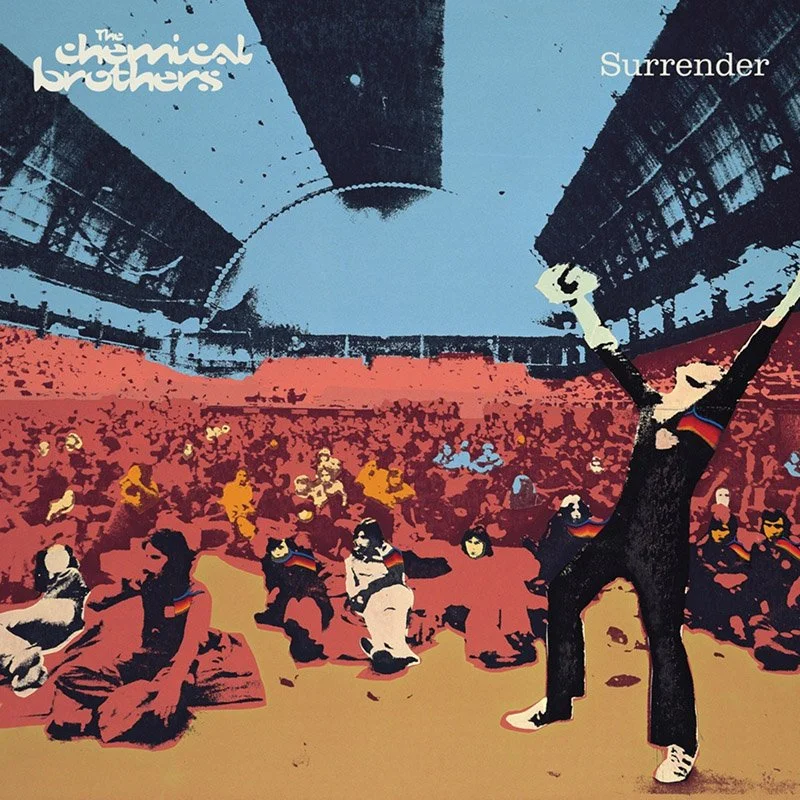
49. The Chemical Brothers – Surrender (1999)
Confident, colourful and kaleidoscopic, Surrender is a euphoric avalanche of analog psychedelia from The Chemical Brothers. Across eleven tracks they break new ground while retaining their signature rave-era DNA. The album is notable for showcasing some magnificent vocal collaborations from Noel Gallagher, Bernard Sumner and Hope Sandoval.
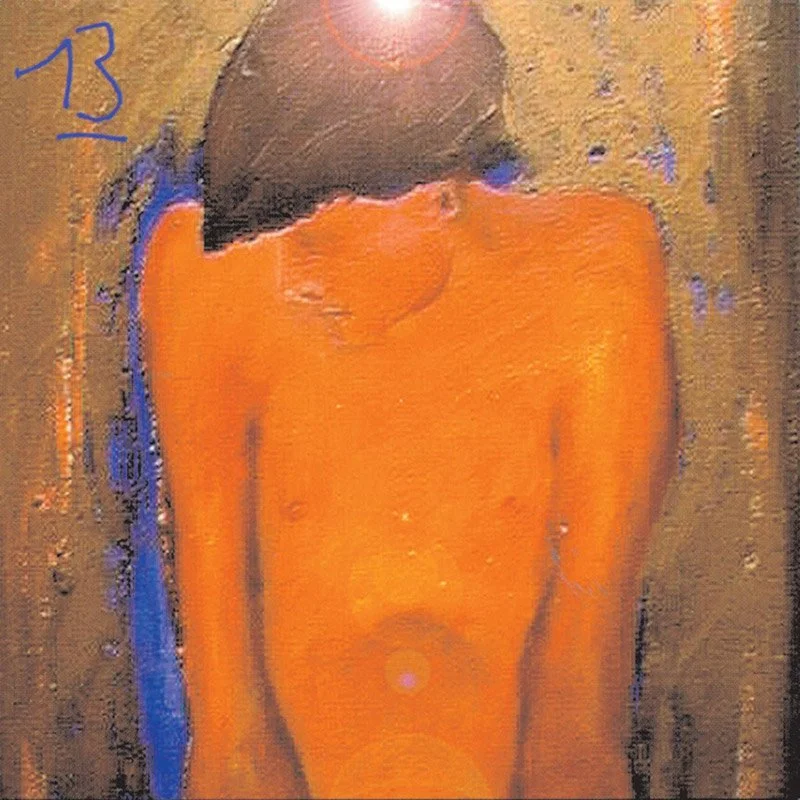
48. Blur – 13 (1999)
13 is the fractured, emotionally raw sixth album by Blur. Produced by William Orbit, it is the sound of a band pushing away from Britpop into something darker, looser, and experimental. Damon Albarn’s songwriting is deeply personal. Shaped by the breakdown of his relationship with Justine Frischmann and heroin addiction, it shifts away from his previous character studies. Graham Coxon, grappling with alcoholism and discord with Albarn, moved to a more effects-heavy and destructive style of guitar work. 13 is one of the first major rock albums to be heavily edited using Pro Tools. Songs shift abruptly in tone and structure yet maintain a vulnerability and melodicism rarely found on other records.
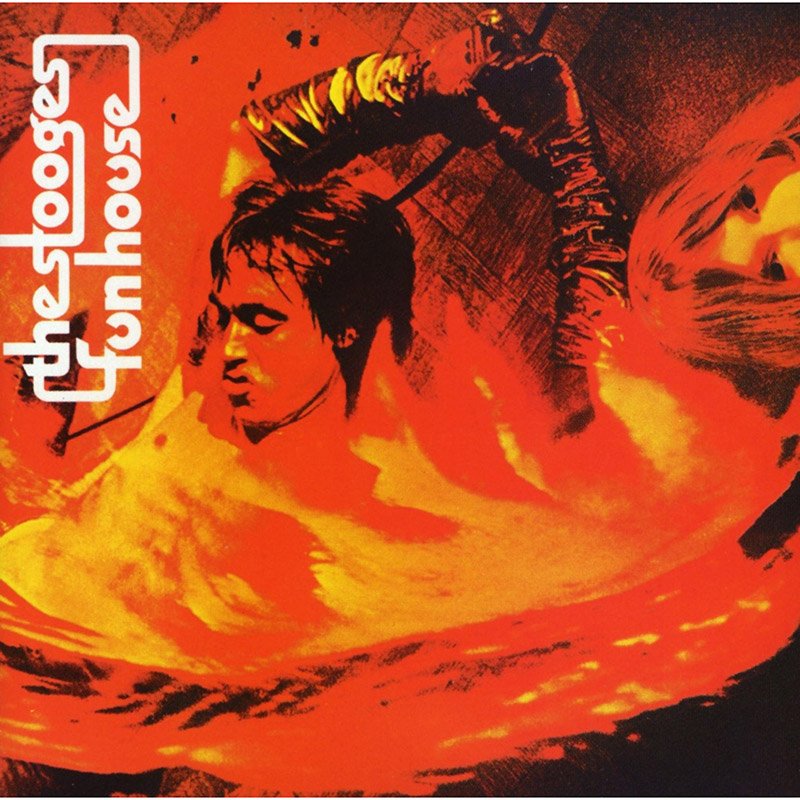
47. The Stooges – Fun House (1970)
Fun House is the second album by American rock band The Stooges. Where do we start with this volatile record that is overflowing with primal instincts? From start to finish this is a relentless, unrestrained assault on the senses. Aggressive and edgy, it is a band… and of course Iggy Pop… at their most feral. This has to be one of the greatest records ever made to play at full volume whilst driving.
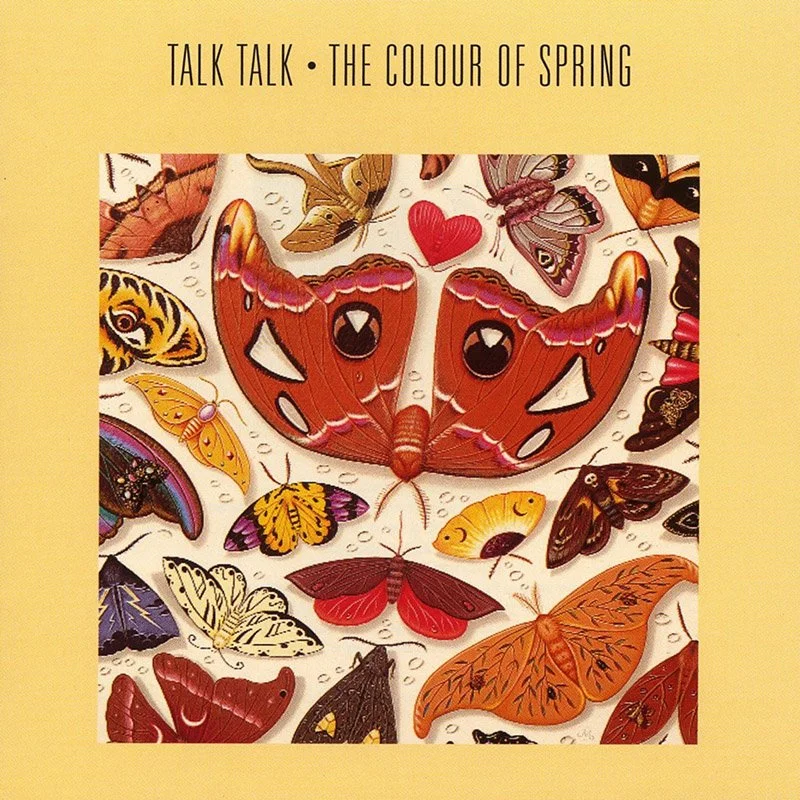
46. Talk Talk – The Colour of Spring (1986)
The Colour of Spring is the third album by English band Talk Talk. The album was a drastic shift in the band’s sound with Mark Hollis banning the use of synthesizers during the sessions. Improvisation was embraced keeping only the most accidental or emotionally resonant fragments to create a vivid collage of organic sounds. This lush album balances depth with pop accessibility as it explores themes of hope, change, and spiritual searching. This is optimism and quiet introspection at its very, very best.
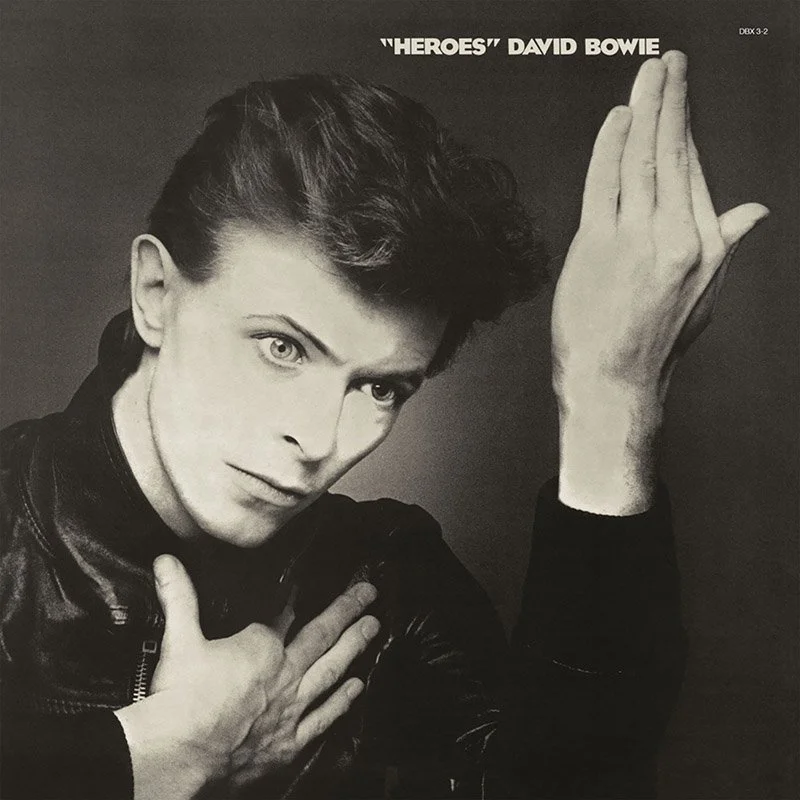
45. David Bowie – Heroes (1977)
Heroes is the atmospheric peak of David Bowie’s “Berlin Trilogy.” An amalgamation of art rock, ambient and post-punk styles, the record was fabricated in collaboration with Brian Eno and Tony Visconti. Though not totally devoid of recreational substances, the main antics on these sessions were intellectual. Eno using Oblique Strategies cards and Robert Fripp marking the studio floor with tape when he found a spot that created feedback. As for Visconti, he was caught having an affair by Bowie, which inspired the lyrics to “Heroes.”
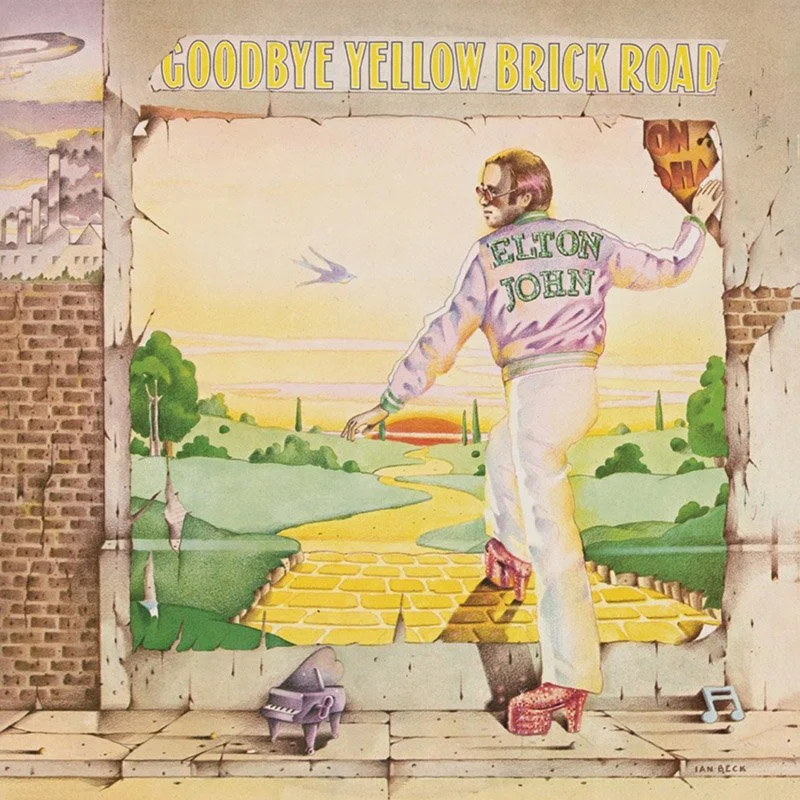
44. Elton John – Goodbye Yellow Brick Road (1973)
Filled with enthusiasm, ambition and enough marching powder to keep Colombia’s balance of payments looking rosy throughout 1973, Goodbye Yellow Brick Road is Elton John at his most theatrical. Unbelievably Bernie Taupin would write lyrics at the breakfast table, and Elton would then finish the music on the piano within fifteen to twenty minutes. At this point, the recording would commence. Fifteen days later, all seventeen songs were in the can. A list of good records isn’t complete without including old Reginald.

43. Rage Against the Machine – Rage Against the Machine (1992)
Rage Against the Machine by Rage Against the Machine is a ferocious masterclass in raw, unadulterated political fury and confrontation. Just looking at the sleeve of the self-immolation of Thích Quảng Đức speaks volumes. Disciplined, sober, and focused, the album was recorded with a respect for high-end signal chains. Takes were tracked with friends acting as an audience in the studio in order to capture the spirit of live performance. This is essential for any record collection.
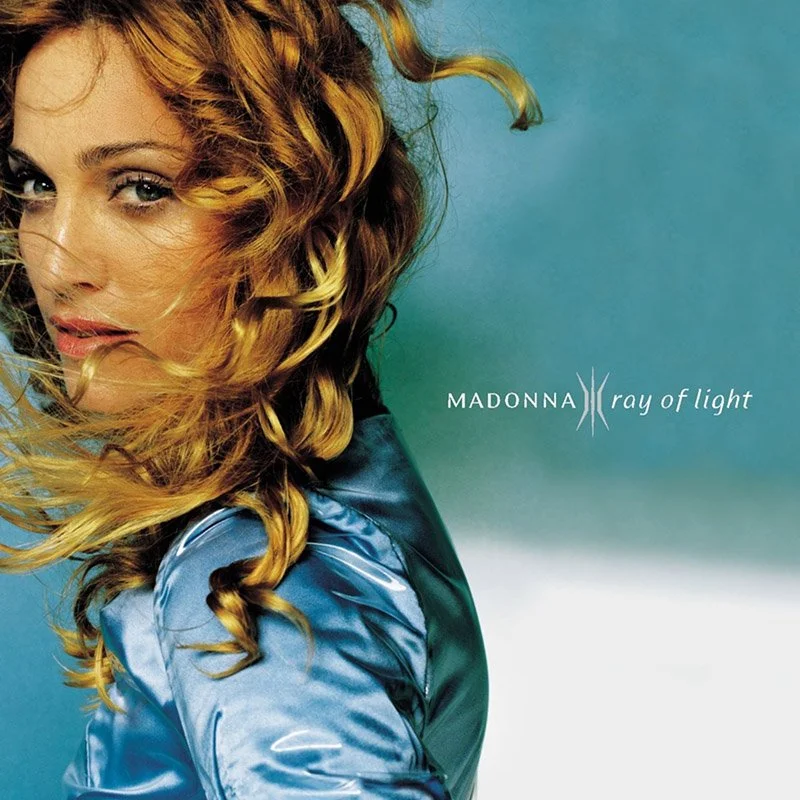
42. Madonna – Ray of Light (1998)
Produced with William Orbit, Ray of Light is Madonna’s risk-taking reinvention at its most complete. Shifting her sound toward electronic, ambient, and Kabbalistic spiritual introspection, the record helped usher underground electronic music into wider culture. As Madge has put it herself this is the “quintessential Madonna album,” which says a lot from the pop chameleon. During the recording, Orbit and Madge engaged in thermostat wars… something any couple will relate to. Orbit trying to keep his analog gear cool and Madge wanting warmth to protect her vocal cords. Ray of Light is forward-looking and still phenomenally good.
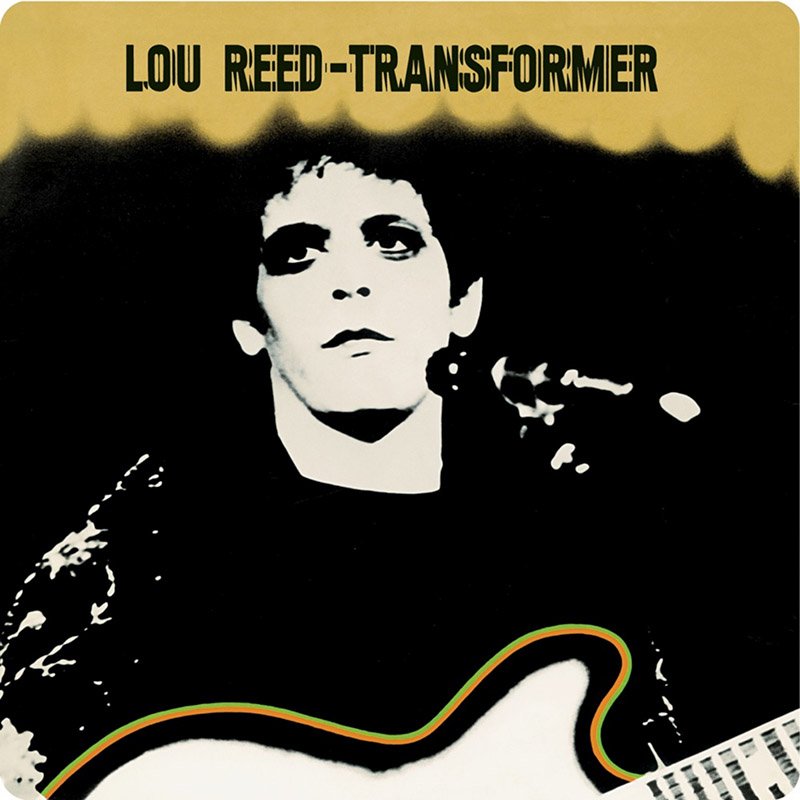
41. Lou Reed – Transformer (1972)
Transformer is the second solo album by American musician Lou Reed. After his first solo record performing poorly, he was rescued by his super fans, David Bowie and Mick Ronson. The duo took up the production mantle. Although Bowie may be the name that jumps out at you it is Ronson doing the heavy lifting, being integral to every sound and element on this LP. Transformer is New York grit mixed with London gloss.
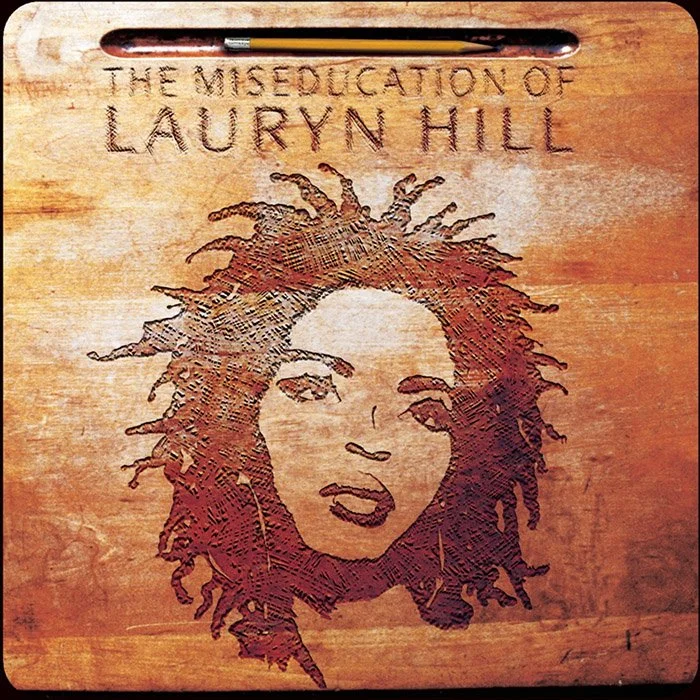
40. Lauryn Hill – The Miseducation of Lauryn Hill (1998)
The Miseducation of Lauryn Hill is a concept album about educating yourself on love, heartbreak, identity, and self-worth whilst uniting hip-hop, soul, reggae, jazz and R&B. To maintain total creative control over the material and prevent her major label from destroying her vision, Lauryn Hill retreated to Tuff Gong Studios in Kingston, Jamaica, the home that Bob Marley built. Much of the album was tracked while Hill was heavily pregnant and deliberately relied on analog equipment. The album broke records on release for the most sales in the first week for a female artist.
39. AC/DC – Back in Black (1980)
The recording for Back in Black began just months after the death of AC/DC’s original frontman Bon Scott. With Brian Johnson taking over the mic, the album is an example of a clinical pursuit of the ultimate rock sound. Even Dave Grohl considers the drumming on Back in Black to be the gold standard. More than any other record on this list, this is the pure unapologetic arrogance, blood, sweat and tears of its genre.
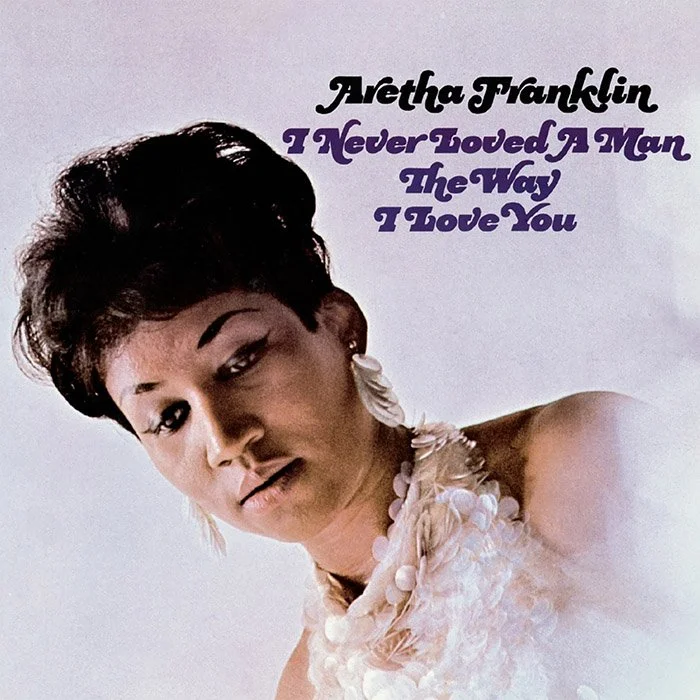
38. Aretha Franklin – I Never Loved a Man the Way I Love You (1967)
After years of mismanagement by her label, I Never Loved a Man the Way I Love You is the arrival of Aretha Franklin, the Queen of Soul. Despite a tempestuous start to recordings in Alabama, the album is a breathtaking display of power, freedom and emotional authority. Whether singing her own numbers or covers, like Otis Redding’s “Respect,” she certainly made sure she had the definitive versions.
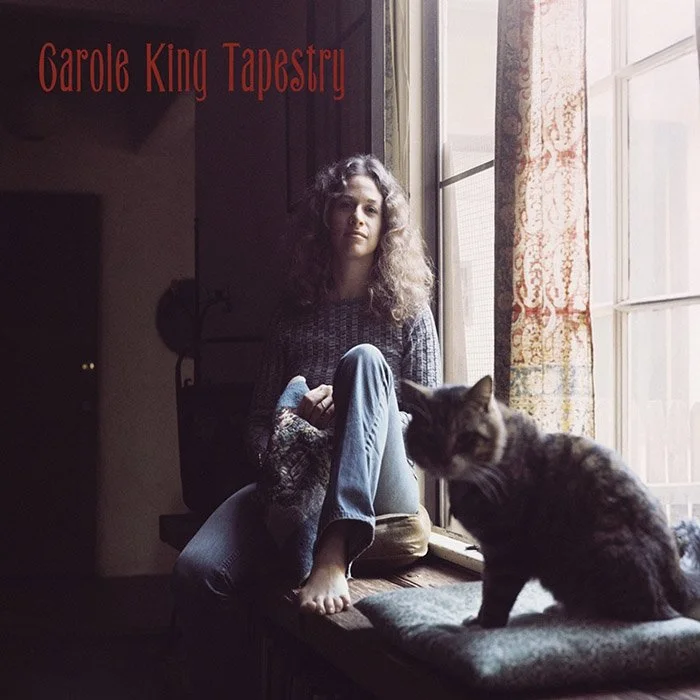
37. Carole King – Tapestry (1971)
Carole King shaped the sound of the 1960s with countless hits for others whilst at the legendary Brill Building. Produced by Lou Adler, Tapestry was the moment the insecure King truly embraced the imperfections in her voice and became a star in her own right. Recording took place at A&M Studios next door to James Taylor who was recording his album Mud Slide Slim and the Blue Horizon. These two records are cross-pollinated with Taylor on acoustic guitar for “It’s Too Late” and “You’ve Got a Friend,” while King played piano on his record.
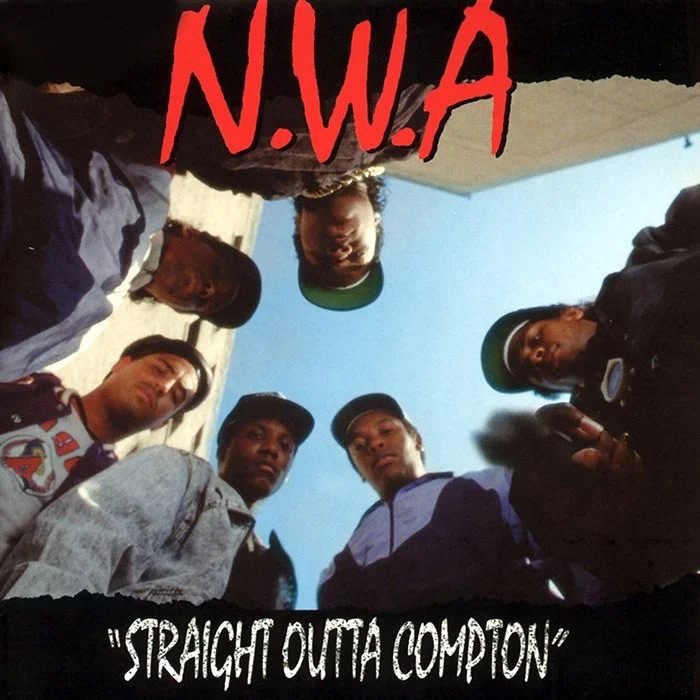
36. N.W.A – Straight Outta Compton (1988)
Straight Outta Compton is the fast and aggressive debut by American hip-hop group N.W.A. The record embodies an us-against-them mentality, with N.W.A frequently being harassed by the LAPD when stepping outside the studio. The sessions, despite these incidents, were extremely disciplined and strove for perfection with Dr. Dre not tolerating unprofessional behaviour. On release it created shockwaves in mainstream culture. Despite minimal radio and MTV support, it sold in mammoth numbers and spread rapidly through word of mouth.
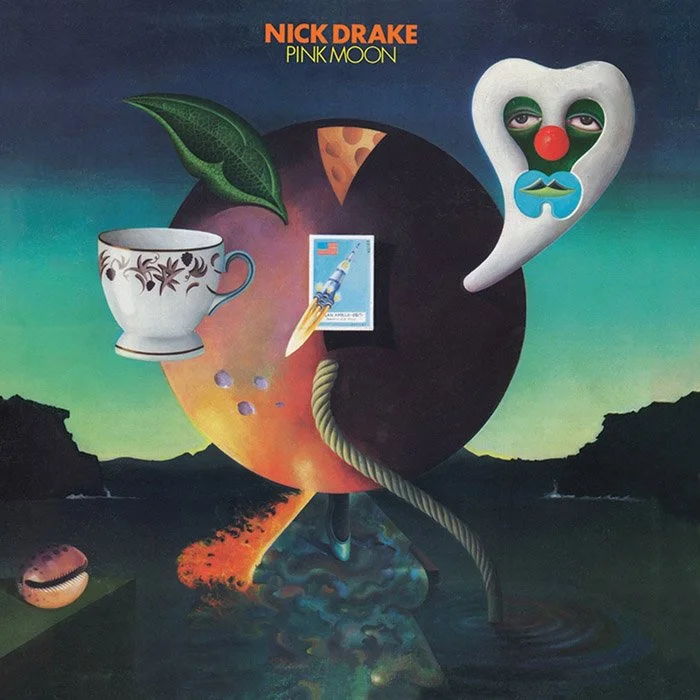
35. Nick Drake – Pink Moon (1972)
Breathtakingly recorded in around four hours over two very late-night sessions, Pink Moon is the third and final studio album by the English musician Nick Drake. Unfolding across eleven songs, Pink Moon is stark, minimalist folk with virtually no overdubs. It strips songwriting down to the bare essentials. Over the years, the hauntingly beautiful album has grown into one of the most intimate and enduring statements in music.
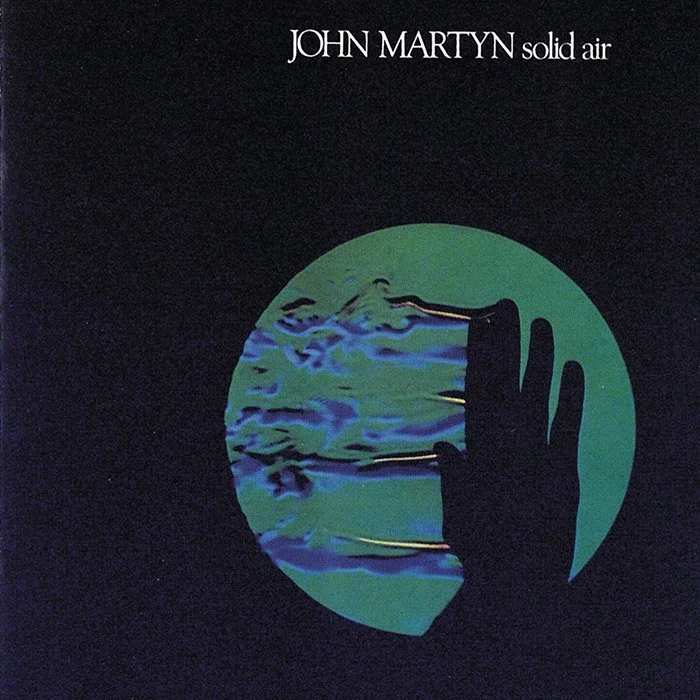
34. John Martyn – Solid Air (1973)
John Martyn’s Solid Air is the moment folk music dissolved into jazz, blues, and ambient soul. The title track was written for Martyn’s close friend Nick Drake, who was spiralling into the depression that would eventually take his life. Each track was mostly recorded live with minimal overdubs adding to the effortless and intimate vibes. The slurred nature of the album, from Martyn’s singing to the music itself, is literal. Weed and whiskey fortifying every moment and slowing him down enough to explore the silence between notes.
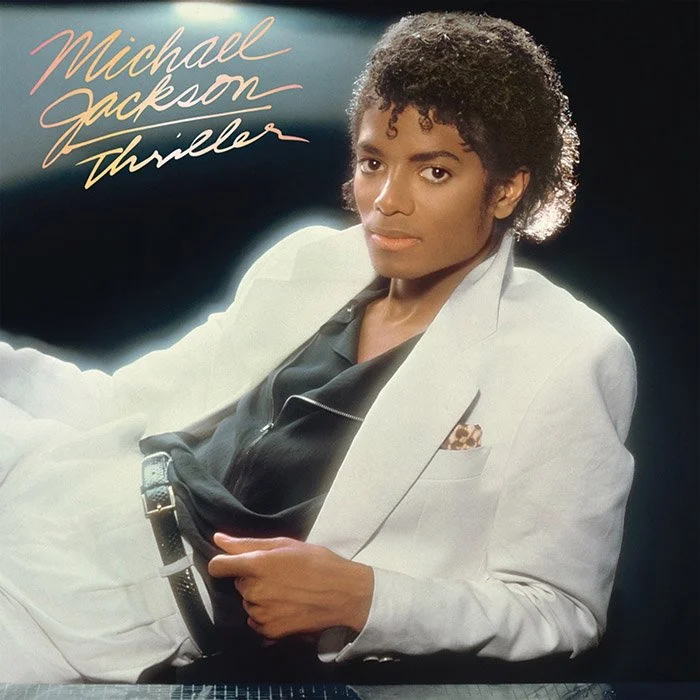
33. Michael Jackson – Thriller (1982)
Michael Jackson’s Thriller… I am just going to let the fact it’s the most successful album of all time do the talking.
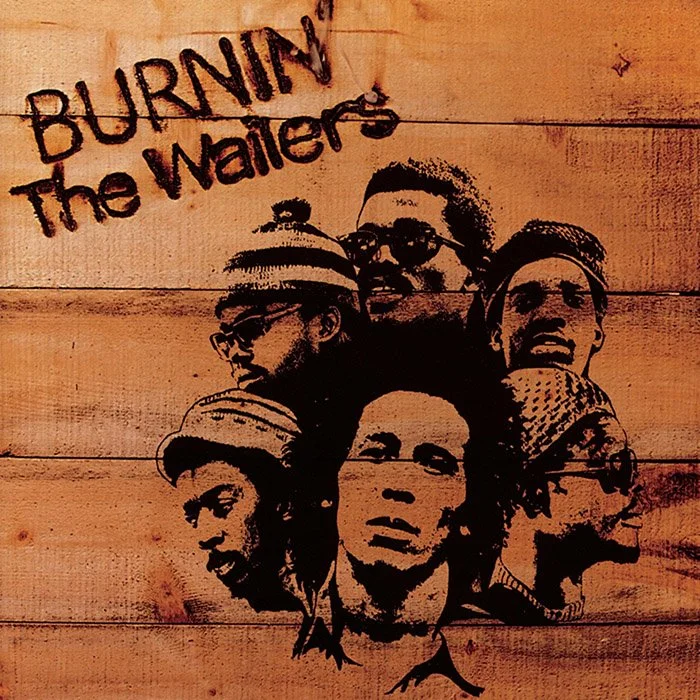
32. Bob Marley & The Wailers – Burnin’ (1973)
Burnin’ is the politically charged reggae album that captures Bob Marley & The Wailers at a pivotal transition point. The last album to feature the original holy trinity of Bob Marley, Peter Tosh, and Bunny Wailer, it shifted the group from a roots-reggae identity toward global icon status. The record prioritises message and momentum coming off the back of increasing political unrest in Jamaica and the spiritual fire of Rastafarianism. Uncompromising, it addresses oppression, resistance, and liberation with clarity and conviction.
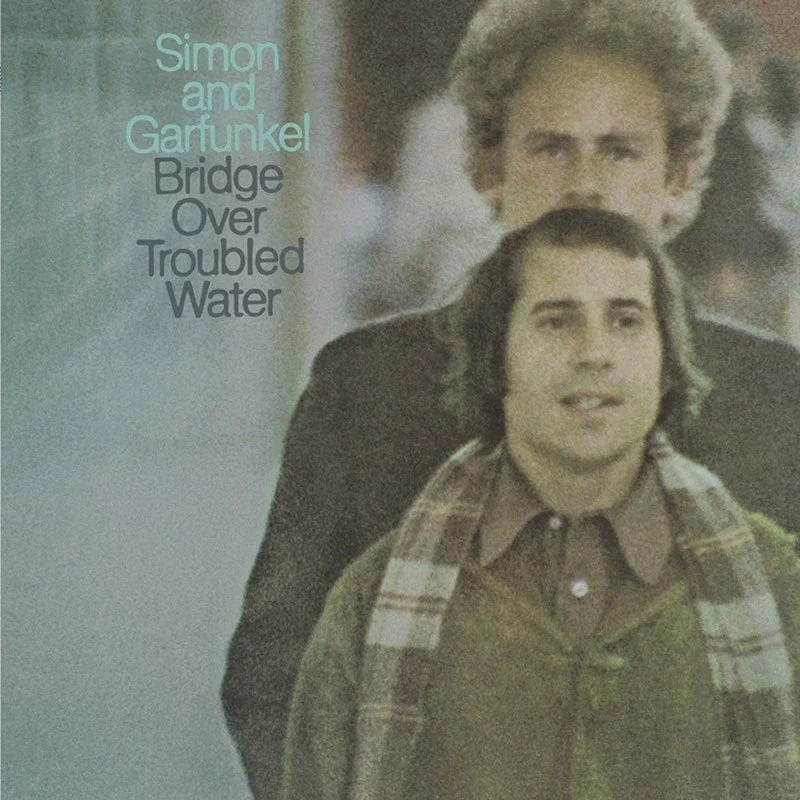
31. Simon & Garfunkel – Bridge Over Troubled Water (1970)
Bridge Over Troubled Water is folk-pop at its most soaring but also documented the slow-motion collapse of one of history’s greatest songwriting partnerships. Arguments, jealousy, and tit-for-tat resentment were rife between Simon & Garfunkel during this period. The record will however always be remembered for its sophisticated songwriting, deeply emotional melodies and grandeur.
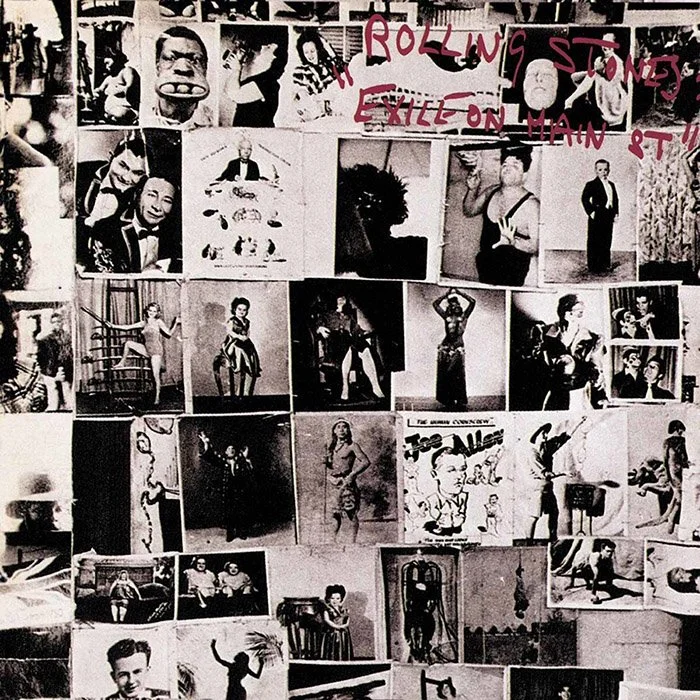
30. The Rolling Stones – Exile on Main St. (1972)
Exile on Main St. is the tenth album by The Rolling Stones and is the undisputed heavyweight world champion when it comes to studio antics. From fleeing the UK to Villa Nellcôte as tax exiles, stealing electricity from the French railway network as supply at the villacouldn’t handle the band’s equipment, having most of their equipment stolen in a burglary, the villa became a revolving door for drug dealers, groupies, and celebrities, more money reportedly being spent on food and wine than on the actual recording, constant police surveillance… and the band having to flee France before being arrested on major drug charges… oh and Keith Richards getting banned from entering France for two years. No wonder it is a sprawling, ragged, murky, double-album masterpiece.
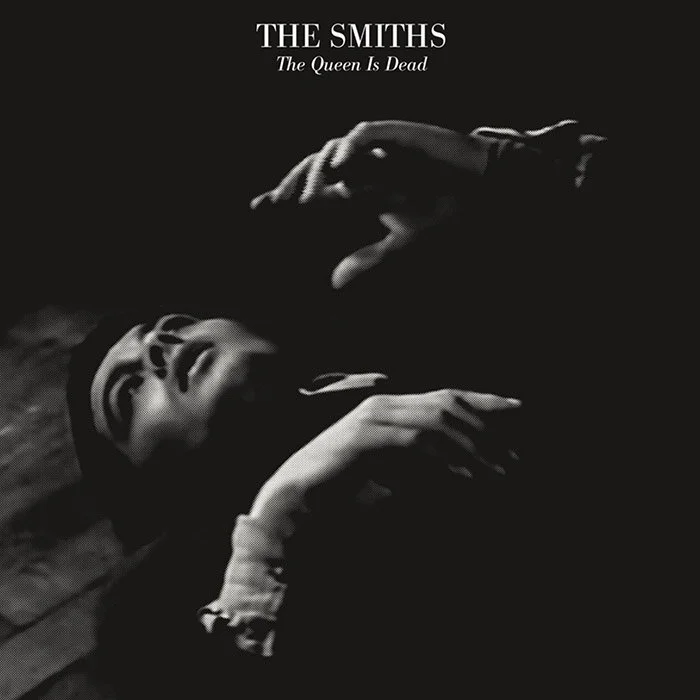
29. The Smiths – The Queen Is Dead (1986)
The Queen Is Dead by The Smiths defined alternative guitar music in the 1980s… and beyond. Recording was a pressure cooker of pure brilliance and dysfunction. Morrissey made increasingly eccentric demands, not in the form of M&Ms, but by recording his vocals in the pitch dark. This forced producer Stephen Street to navigate the mixing desk using a tiny penlight or by memory. He banned meat in the studio, creating a black-market trade between the rest of the band and crew. He also demanded flowers be present during the recording of certain songs as well as creating shrines to Oscar Wilde. On the other hand, Johnny Marr, when not hiding his bacon sandwich behind the amplifier, often racked up twenty hours a day fine tuning his guitar parts.
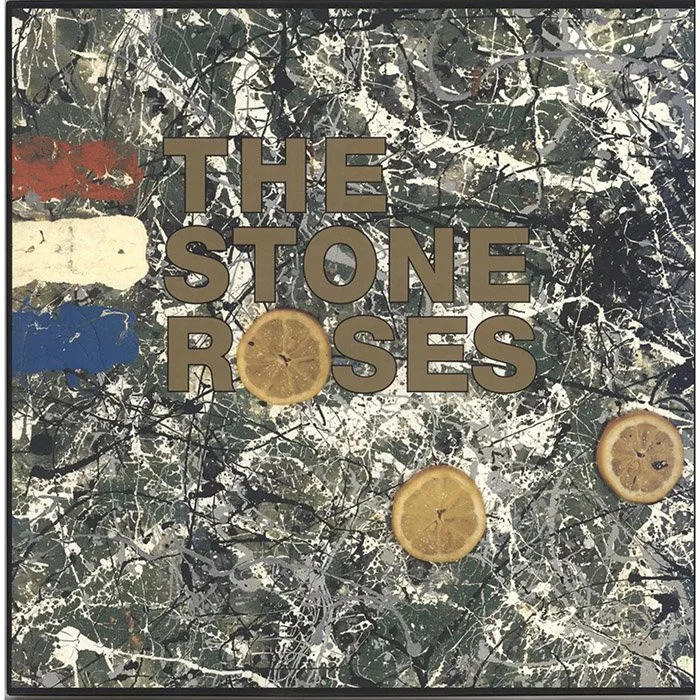
28. The Stone Roses – The Stone Roses (1989)
Without The Stone Roses by The Stone Roses hitting record shelves in the late-80s… British guitar music would have looked very, very, very different. John Squire’s jangly, melodic guitar work and Ian Brown’s detached vocals brought the swagger and attitude needed to pave the way for acts like Oasis. The anthemic album is awash with psychedelic textures and danceable rhythms which were lovingly guided by John Leckie. Every time this record is played you cannot help but be struck by how undeniably talented these lads were.
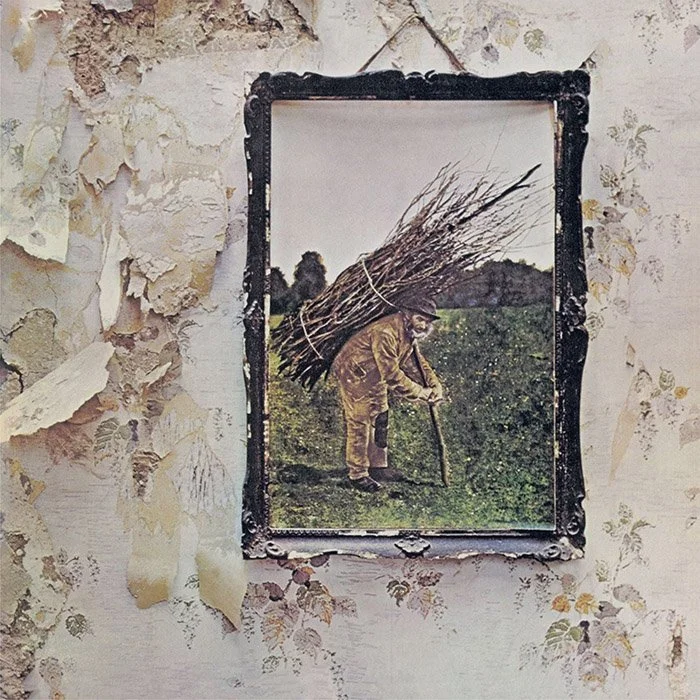
27. Led Zeppelin – Led Zeppelin IV (1971)
Led Zeppelin’s Led Zeppelin IV, or no title, no band name, and no credits as Jimmy Page originally intended, is the opposite of Led Zep II. They decamped at Headley Grange with the mobile studio of The Rolling Stones and began recording, cut off from the world. The album is most notable for “Stairway to Heaven.” Whether derived from Spirit’s “Taurus” or not, alone, it makes this LP legendary. It is one of the most recognisable recordings ever made.

26. Björk – Homogenic (1997)
Homogenic is the third album by the Queen of Iceland, Björk. The album’s origin begins with a kind of artistic exile. Seeking to escape the media and leave behind a traumatic stalking incident, Björk decamped to the now closed El Cortijo studios in Spain. Homogenic documents a shift into a stark and icy sound where electronic production and cinematic orchestration are fused with stubborn conviction. One thing striking is that Björk delivers this in a very organised and unified manner… How Scandinavian of her.
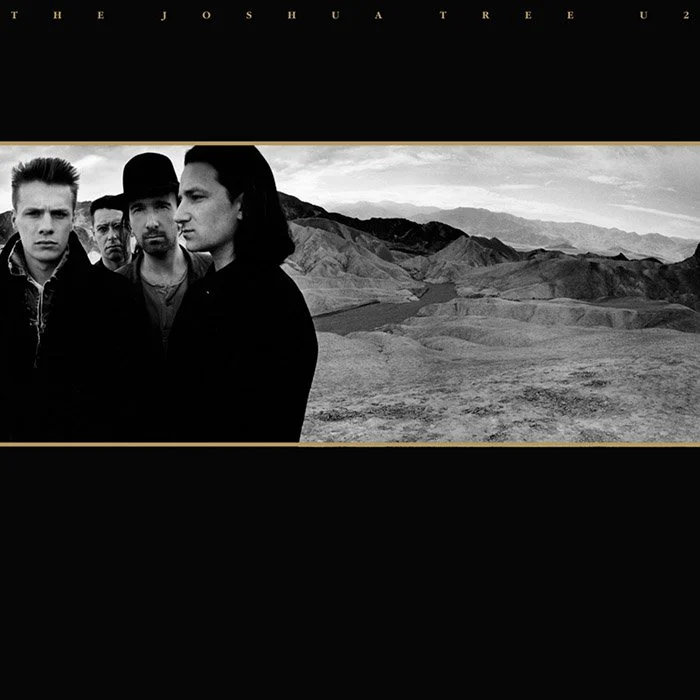
25. U2 – The Joshua Tree (1987)
Produced by Brian Eno and Daniel Lanois, The Joshua Tree is U2’s defining artistic statement. The album is more intimate than its predecessors and was laboured over to the point where Eno, who hates repetitive work, had to be physically restrained from wiping some of the master tapes. The LP explores American mythology, landscapes, spirituality, social injustice and a sense of longing with emotional directness and grandeur.

24. Can – Tago Mago (1971)
Recorded in Schloss Nörvenich on a two-track tape machine, Can’s Tago Mago is the zenith of Krautrock. The band jammed for hours, with bassist Holger Czukay, listening back and splicing together the parts that had the most absorbing rhythms. The LP prioritises groove with Jaki Liebezeit’s motorik drumming providing an anchor to the anarchy of the rest of the band spiralling outward mesmerically. Tago Mago influenced everyone from Oasis, Godspeed You! Black Emperor, Radiohead and Joy Division.
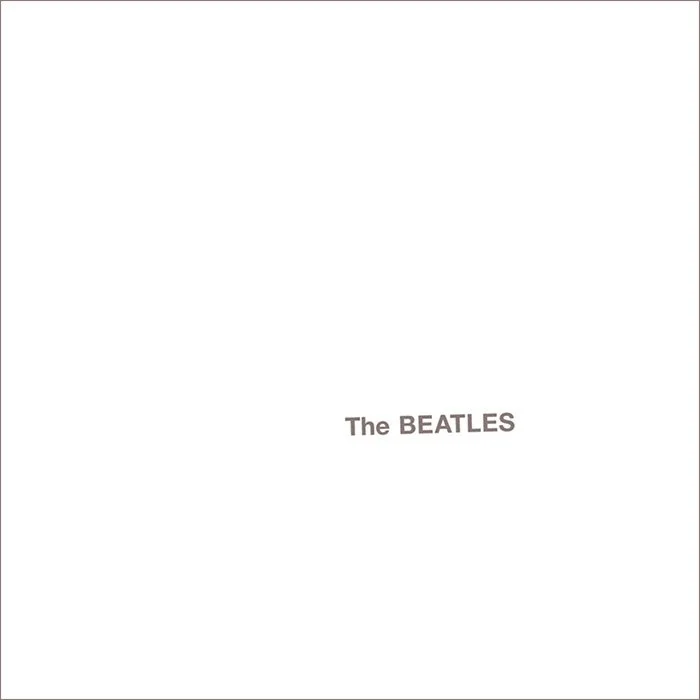
23. The Beatles – The Beatles (1968)
Back from India,The Beatles, aka The White Album, is the sound of the world’s biggest band becoming four solo artists who happened to be in the same building at the same time. Pulling in different directions, sprawling, chaotic and trying to find a new direction after the death of their manager Brian Epstein. Despite the white cover the sessions were full of colour… From Ringo Starr briefly quitting The Beatles, drugs, recording in closets, Eric Clapton and his abysmal dental hygiene, George Harrison running round the studio with a flaming ashtray balanced on his head… and Yoko Ono as a new addition to the Fab Four universe. Though the tension with Ono likely reached its peak during the Abbey Road sessions with the quiet Beatle, Harrison, nearly getting in a fist fight after being so pissed off that she had eaten one of his McVitie’s Digestive biscuits. As Harrison put it… “That bitch! She’s just taken one of my biscuits!” Still, we are left with a ninety-four-minute assortment of 20th Century styles from rock, folk, blues, country, avant-garde, music hall, and proto-punk. Dense, uneven, but endlessly compelling.
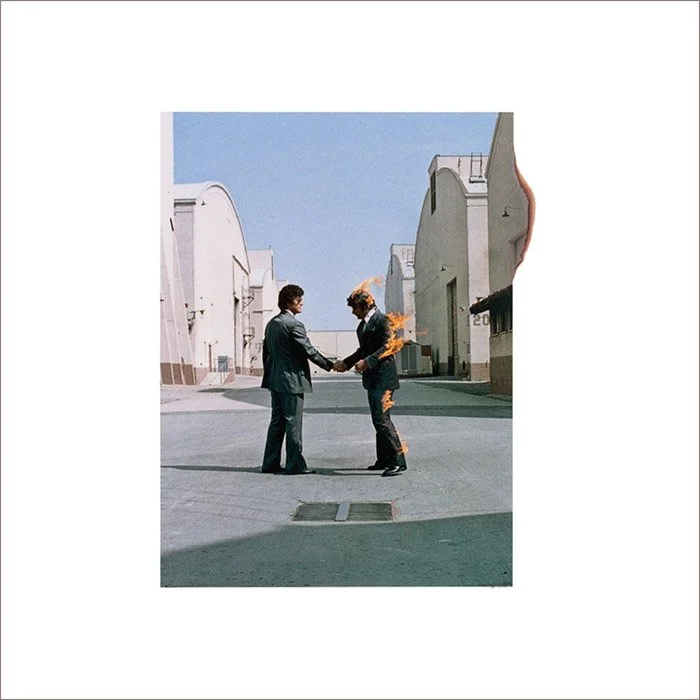
22. Pink Floyd – Wish You Were Here (1975)
Wish You Were Here is the progressive rock album that emerged two years after The Dark Side of the Moon; it is the sound of Pink Floyd having a massive hangover from their sudden global success. The album also marks a turning point for Floyd with rising band tension and the increasing dominance of Roger Waters. At the heart of Wish You Were Here is a figure who shaped the band’s early identity… Syd Barrett. The unrecognised guest.
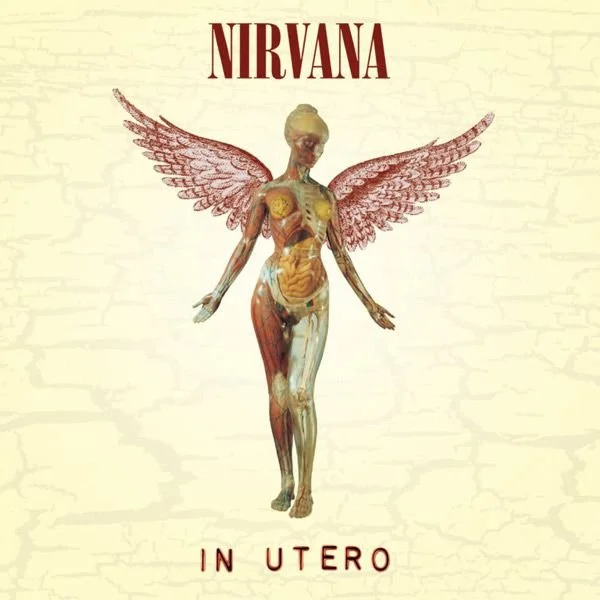
21. Nirvana – In Utero (1993)
In Utero is Nirvana’s intentional recoil from the overwhelming success of Nevermind. The band wanted something more raw and authentic, and with Steve Albini at the helm, the record captured what Nevermind lacked: brutal immediacy. Even without the previous album’s commercial shine, Cobain’s gift for melody led to multiple charting singles and, despite the band’s intentions, In Utero became a record at war with its own success.
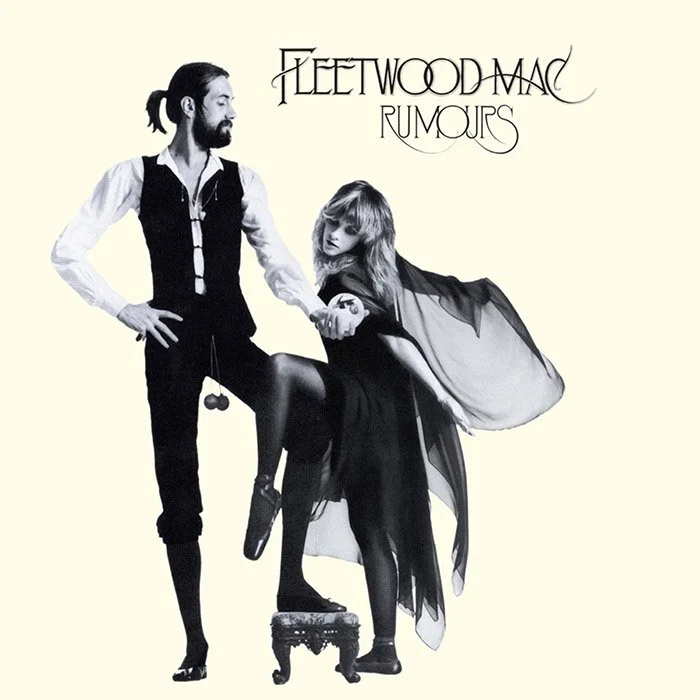
20. Fleetwood Mac – Rumours (1977)
Fleetwood Mac’s Rumours is the ultimate breakup record– a soap opera of brutal lyrical character assassination. Screaming at each other and delivering something melodic and intimate. From the affairs to Mick Fleetwood wanting to include the band’s drug dealer in the album credits, you cannot deny that this slice of turmoil is a juggernaut of popular music.
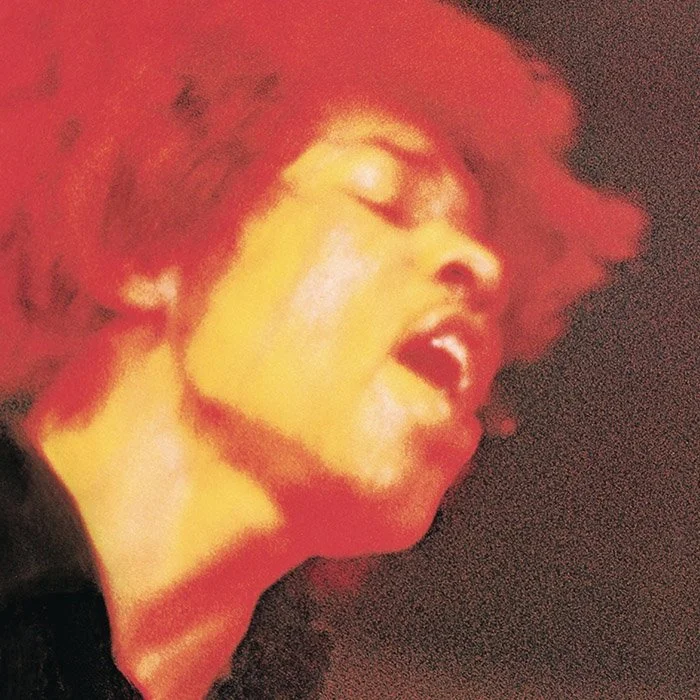
19. Jimi Hendrix – Electric Ladyland (1968)
The final Jimi Hendrix studio album, Electric Ladyland, moves beyond song structures into something more open-ended, messy and immersive. A fluid psychedelic odyssey borne from lengthy jams, studio effects, party atmosphere and chaos. The ultimate escapade was Hendrix’s decision to build his own studio. Buying a site in Greenwich Village, they hit an underground river during construction. Hendrix spent a fortune pumping out water, essentially building his studio on top of a flood. Hendrix only got to use it for a few weeks before he passed away.
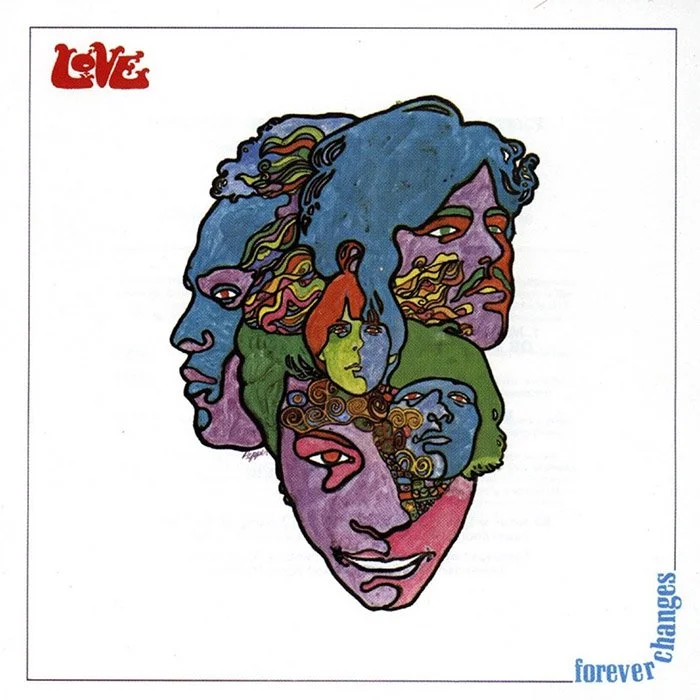
18. Love – Forever Changes (1967)
Forever Changes by the band Love is regarded as one of the great cult albums of its era, with a reputation that steadily grows over time through word of mouth and critical reassessment. An album marked by drug intake, Arthur Lee had to bring in The Wrecking Crew session musicians to complete some of the compositions. The record captures a more anxious, cynical undercurrent beneath the Summer of Love and the tide of idealism. Moving through themes of love, mortality, and disillusionment, it is filled with a remarkable romantic melancholy.
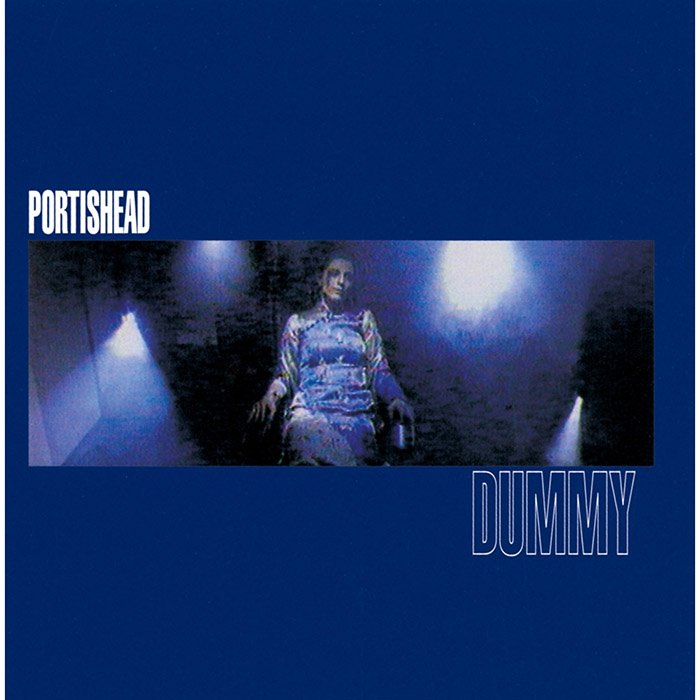
17. Portishead – Dummy (1994)
Dummy is the painstakingly produced debut album by Portishead. A defining trip-hop record built on the resampling of their own recordings pressed to vinyl. Each pressing was distressed, aged, and destroyed in a quest for something bizarre but hauntingly beautiful. The album is slow and cinematic with Beth Gibbons’ vocals at its emotional heart.

16. The Beatles – Sgt. Pepper’s Lonely Hearts Club Band (1967)
Sgt. Pepper’s Lonely Hearts Club Band is a seismic album by The Beatles that made the LP format more important than the single. Based on a persona shift orchestrated by Paul McCartney, Pepper is a loose concept album. From cut-up tapes, the dog whistle, the never-ending run-out groove, Paul is dead, John Lennon being left on the roof of Abbey Road during an LSD trip and Ringo Starr learning how to play chess, this is the recording studio used as a musical instrument.
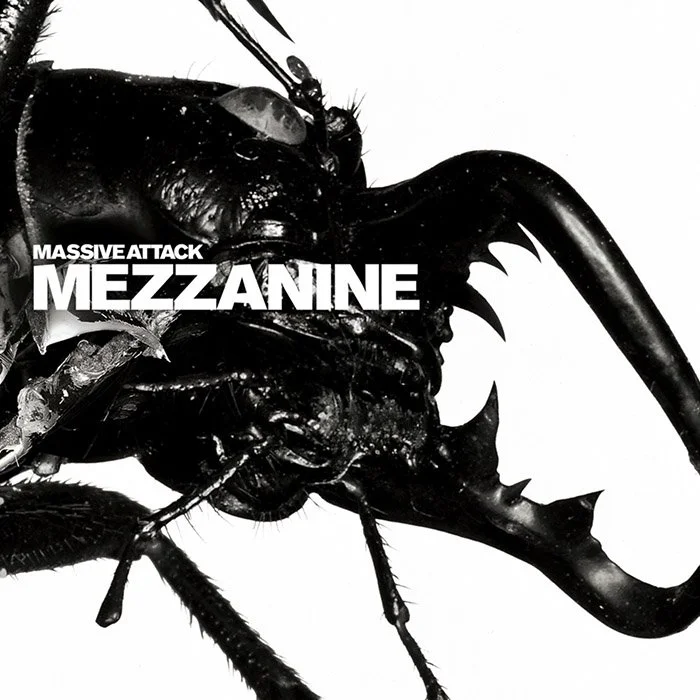
15. Massive Attack – Mezzanine (1998)
Mezzanine is the dark, dense, claustrophobic third studio album by Massive Attack. During recording the band had grown to dislike each other to the point they recorded on a shift system. Work saved by one member was frequently deleted or distorted by the next in an act of self-harm and vandalism. This left Neil Davidge, the album’s co-producer, to act as the magma to fuse these tectonic plates back together. This fight over the mixing desk is what infuses a tense and aggressive feeling across its sixty-three-minute run time.
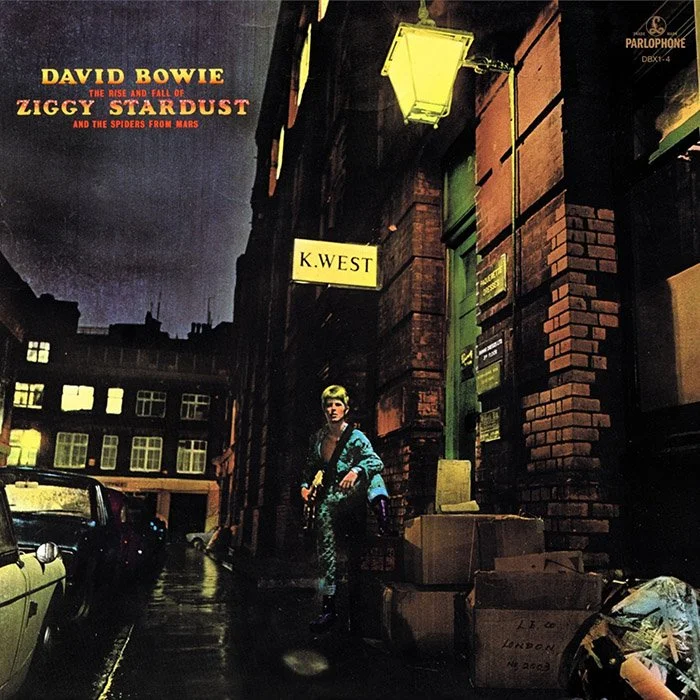
14. David Bowie – The Rise and Fall of Ziggy Stardust and the Spiders from Mars (1972)
The Rise and Fall of Ziggy Stardust and the Spiders from Mars was the sound of David Bowie deciding to become a superstar by pretending he already was one. But if Bowie was the vision, Mick Ronson was the architect. Ronson really doesn’t get the credit in history for how influential he was to the sound of that era. His talent is evident in his sublime guitar work and perfect hooks. But we do have to give Bowie his credit. The world is a better place because Bowie persuaded Ronson… a bloke, a tough, no-nonsense northern lad, a council gardener from Hull, to put on flamboyant skin-tight costumes and platform boots. A year later at the Hammersmith Odeon, Bowie dissolved the band… but what we are left with is theatrical storytelling at its finest.
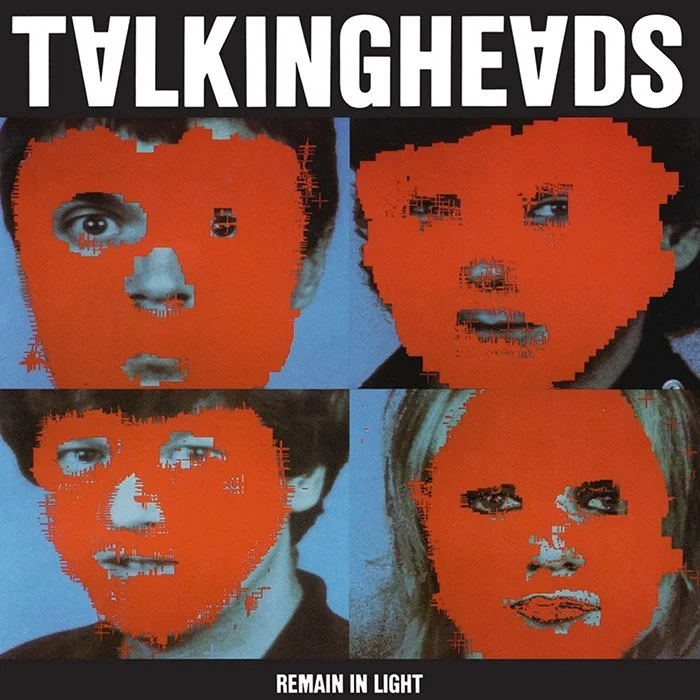
13. Talking Heads – Remain in Light (1980)
Produced by Brian Eno, Remain in Light is the polyrhythmic funk masterpiece by American band Talking Heads. In the days before digital sampling, creating loops was a gruelling process. To get the sound of Fela Kuti-style Afrobeat, Eno and David Byrne had to splice tapes of extended jams centred around repeating notes or simple chord structures. The robotic process induced pure boredom and frustration for the other members of the band. The sessions were also dogged by Byrne suffering from writer’s block. Progress was only made when he started listening to radio evangelists and African politicians in the hunt for rhythmic phrases.
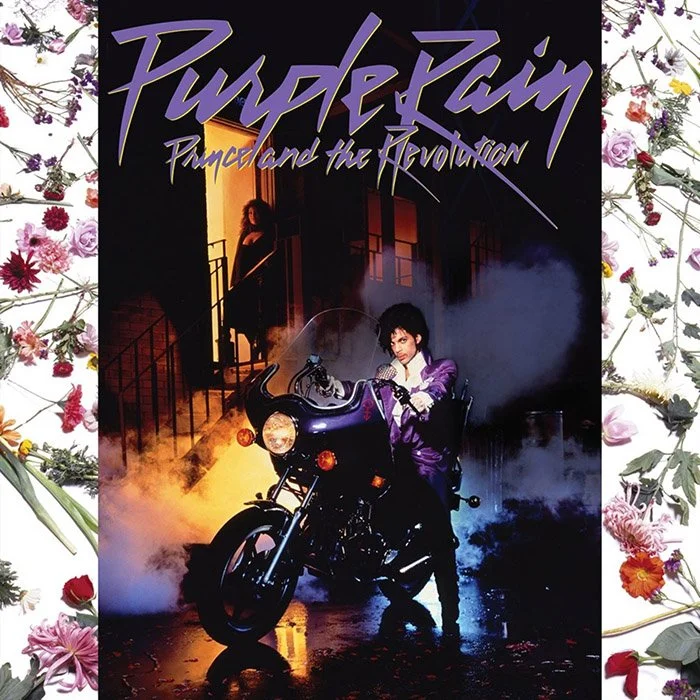
12. Prince and The Revolution – Purple Rain (1984)
Purple Rain is the sound of a force of nature, Prince. A man who during recording didn’t seem to sleep or follow the laws of physics. Surviving only on the odd bag of Doritos. The album is notable for the title track “Purple Rain” which was spliced together from a live performance. Editing took Prince and Wendy Melvoin days to perfect. Also deleting the bass line to “When Doves Cry” at the last-minute, horrifying his engineers but resulting in his first number one hit. Purple Rain is the sound of an artist so unique that it seems hard to imagine another star coming close. The album shifts from intimacy to grand, arena-sized arrangements with with outrageous confidence and ease.
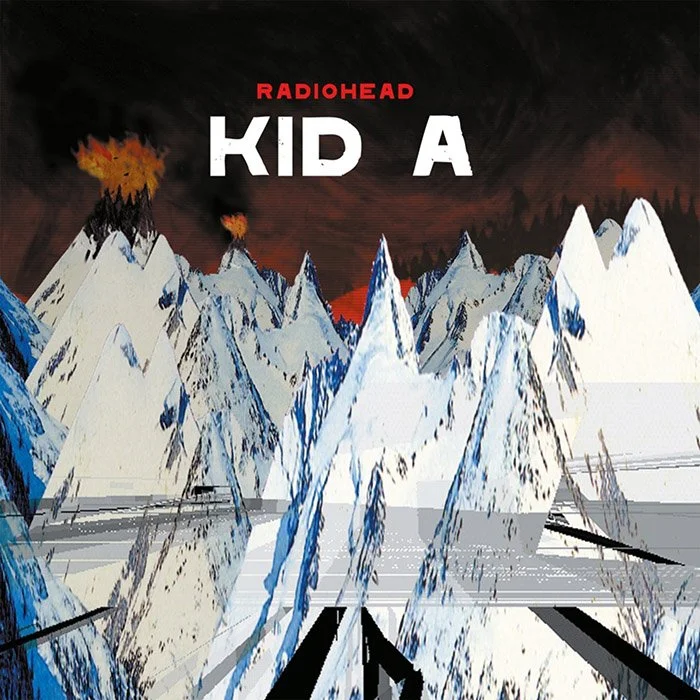
11. Radiohead – Kid A (2000)
After the mammoth success of OK Computer, Thom Yorke struggled with the pressures of success, became very mistrustful and eventually had a nervous breakdown. He hated the sound of his own voice and the norms of being a rock band. In brief, to survive, Radiohead had to dismantle Radiohead in order to save themselves. Produced and curated by Nigel Godrich, Kid A is a brave, drastic, radical musical pivot. Guitars were only used, if necessary, Dadaist songwriting was embraced, jazz influences thrown in for good measure. The result was enough material to fill two albums, with Amnesiac soon to follow.
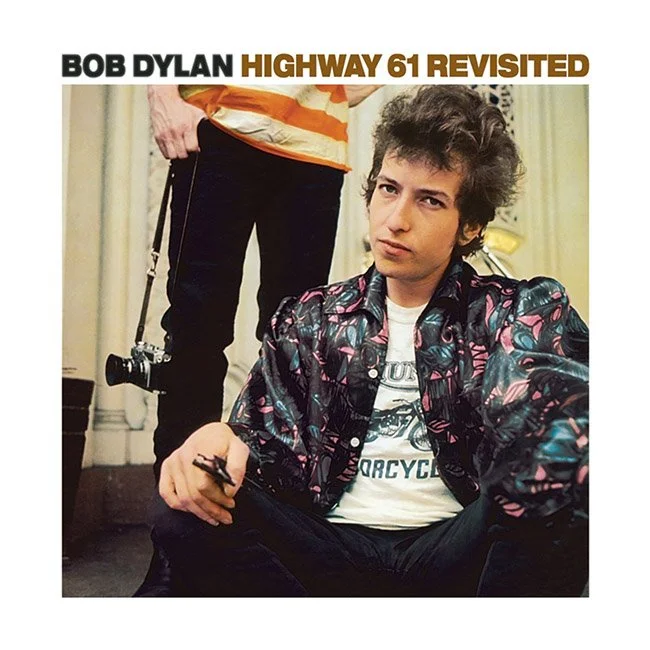
10. Bob Dylan – Highway 61 Revisited (1965)
Named after the American highway that passed his home town, Highway 61 Revisited is the sixth outing by Bob Dylan. After a gruelling tour that nearly resulted in Dylan quitting music, the album was recorded at breakneck speed. His lyrics capture the cultural and political environment of the United States at the time. Often doing so through fragmented, poetic, and absurdist imagery. The result is a defining 1960s album. It fully marked Dylan’s electric makeover and also redefined rock music itself as a serious vehicle for poetic, experimental, and culturally charged expression.
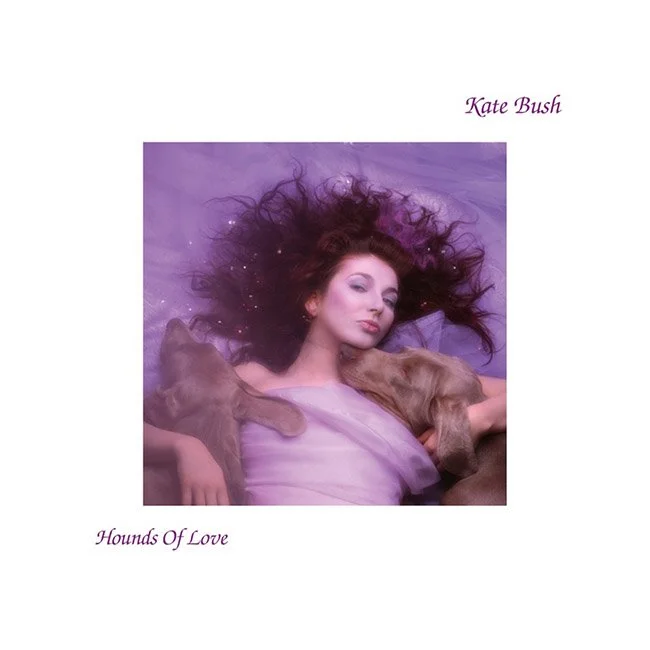
9. Kate Bush – Hounds of Love (1985)
After years of cult acclaim and selective chart success, Hounds of Love is the album where Kate Bush’s avant-pop vision broke into the mainstream. The album was recorded at her home using the relatively new to the United Kingdom £12,000 Fairlight CMI digital synthesizer and £2,650 LinnDrum sample drum machine. To put that into perspective, the average annual salary in the UK at the time was approximately £8,000… so not cheap. The album is structured into two distinct halves: Side A brims with melodic songwriting and imaginative production, whilst Side B unfolds as a progressive sonic movie exploring fear, isolation, and survival.
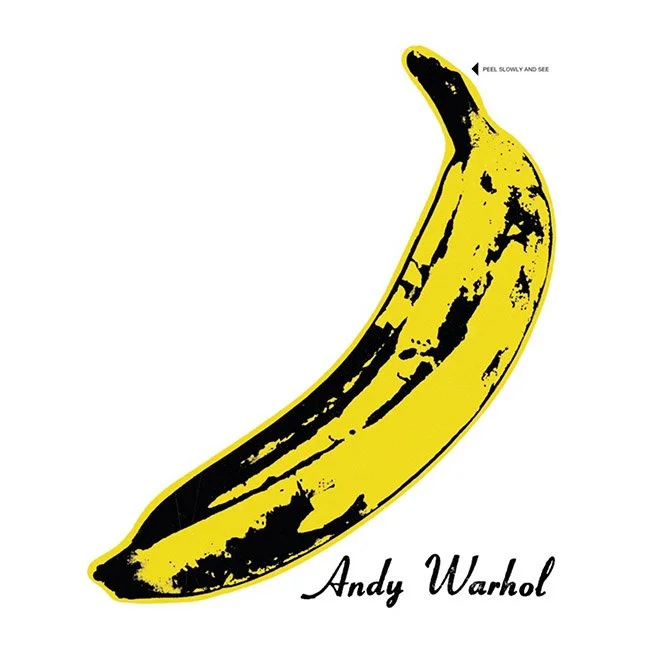
8. The Velvet Underground & Nico – The Velvet Underground & Nico (1967)
Stark, confrontational… The Velvet Underground & Nico by The Velvet Underground & Nico is the sound of a New York alleyway being thrust in front of a microphone. Yes, we know there aren’t many alleys in Manhattan but you get the drift. Andy Warhol is credited as the producer, but in reality, he did almost nothing. Except act as a shield from the men in suits at the record label and permit the group to explore themes of addiction, sexuality and alienation with an unflinching directness. Warhol also insisted on the inclusion of German model and actress Nico, which did not impress Lou Reed. Despite this, to paraphrase Brian Eno, it is the record that originally sold only 30,000 copies… but everyone who bought it started a band…
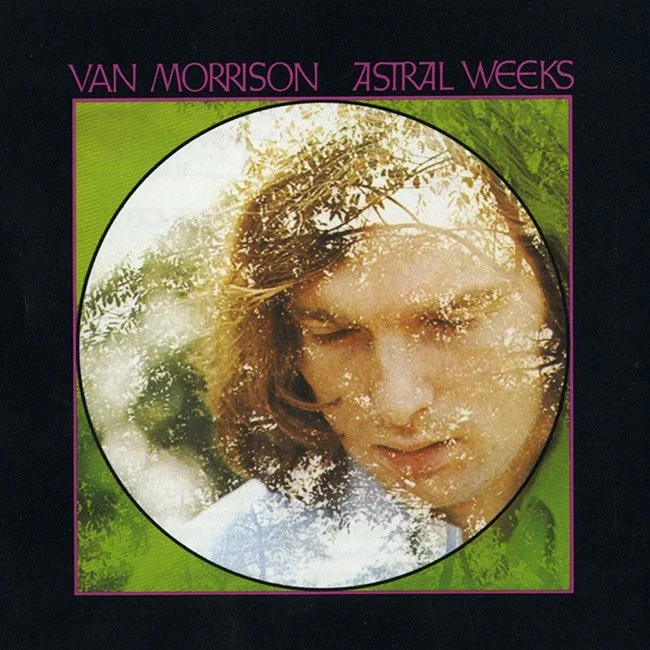
7. Van Morrison – Astral Weeks (1968)
After the pop hits like “Brown Eyed Girl,” Astral Weeks, the second album by Van Morrison, couldn’t have been more different. Impressionistic, otherworldly and recorded in a whirlwind with sessions lasting three days. Over forty-seven minutes it evocatively blends folk, blues, jazz, soul and classical into a flowing sound channelled through improvisation. Astral Weeks is a moment of pure magic. Morrison didn’t play songs like that before and he didn’t play them like that after.
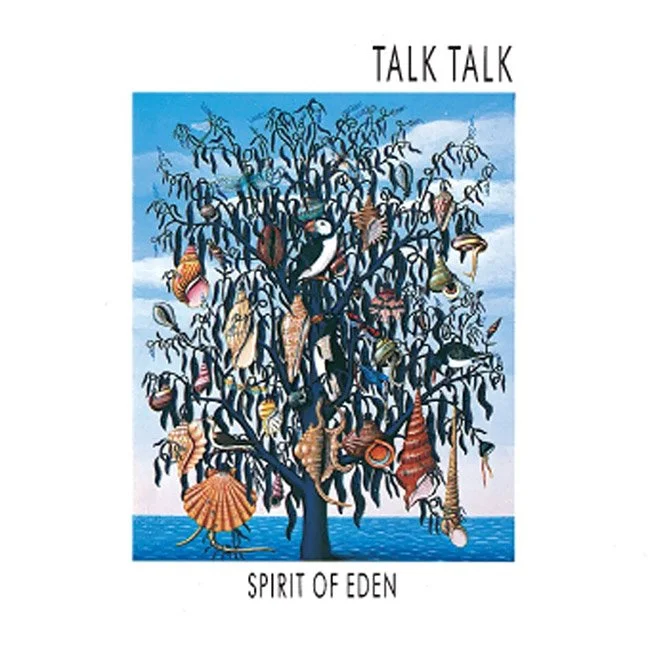
6. Talk Talk – Spirit of Eden (1988)
Atmospheric, textural, impressionistic, Talk Talk’s Spirit of Eden is probably the most obsessive and painstakingly constructed record in existence. The LP is incredibly sparse, but fabricated from a colossal mountain of deleted performances. Mark Hollis and producer Tim Friese-Greene inviting jazz and classical musicians to improvise for hours, often only to keep a split second of material. Slow, dissolving and spacious, it is the distillation of instinct over performance. On completion the album horrified their label EMI. One critic said it “is the kind of record which encourages marketing men to commit suicide.” Now Spirit of Eden is rightfully regarded as a masterpiece, once again proving record labels know nothing about music.

5. Pink Floyd – The Dark Side of the Moon (1973)
Produced by Alan Parsons, Pink Floyd’s The Dark Side of the Moon is a monolith in music history setting a new standard for studio-driven rock. A storytelling concept album that segues from one universal theme to another but always revolving around madness. Themes of time, mortality, money, mental health, and alienation, all interspersed with curated fragments of interviews and laughter. Every element of this LP seems like it has always existed as part of the fabric of the universe. From the Wizard of Oz synchronicity to Storm Thorgerson’s evocative artwork. The Dark Side of the Moon is an album where no words can do it justice.
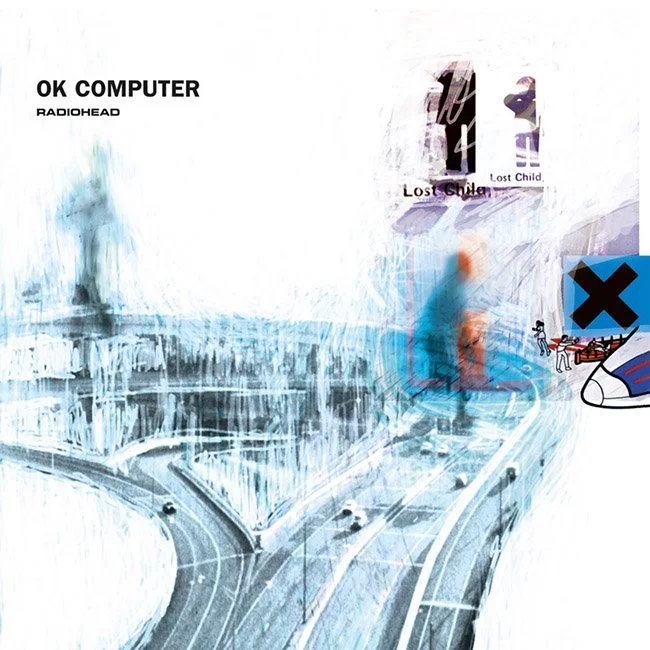
4. Radiohead – OK Computer (1997)
Recorded in Radiohead’s rehearsal space and the ambiance of St Catherine’s Court, OK Computer is perhaps the definitive soundtrack for the digital age. Guided by Nigel Godrich’s production, the album is dystopian and dislocated. Its lyrics touch on rampant consumerism, political corruption, paranoia, death, transport, social anxiety. Awash with unconventional song structures, unsurprisingly we roll our eyes at the fact their record label deemed it uncommercial.
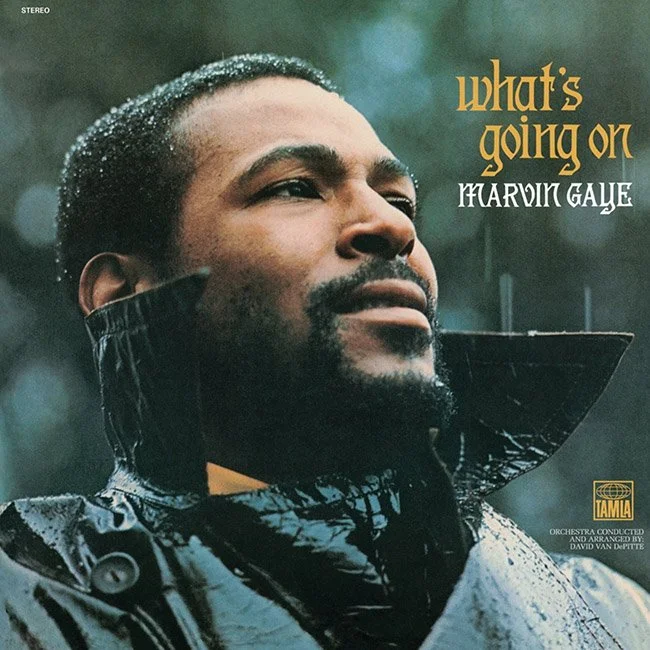
3. Marvin Gaye – What’s Going On (1971)
Designed to be heard as a single flowing piece of music, What’s Going On is Marvin Gaye’s eleventh studio album. The record is a big step away from the radio-friendly tracks that Gaye had become known for. Instead, he captured the atmosphere of 1970s Black America with socially conscious songwriting. Empathetically addressing issues of poverty, social unrest, addiction, environmentalism, and the Vietnam War. What’s Going On is the album where Gaye became a social prophet.
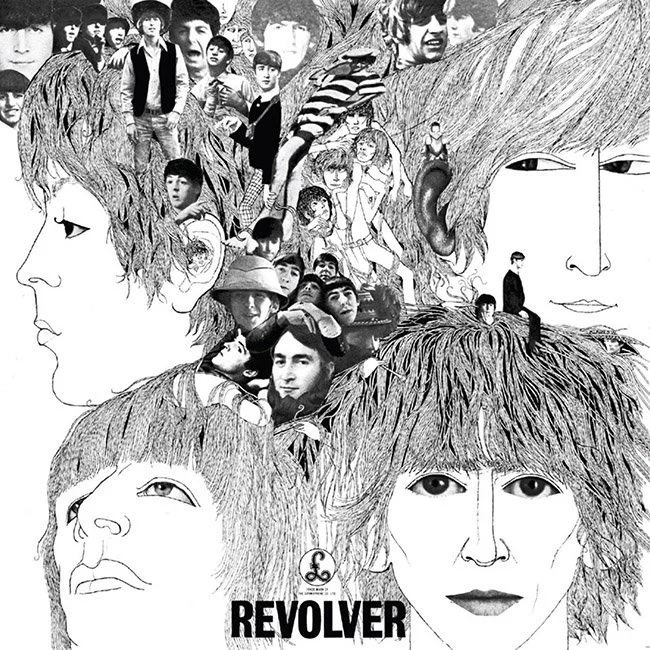
2. The Beatles – Revolver (1966)
Revolver is the transformative album that captures The Beatles at a creative pivot. Where past and future ideas collide into a remarkably balanced whole. Alarming the stiff, starchy, men in white coats that populated the technical team at Abbey Road, the sessions fundamentally changed the way recording is approached. This part is for the music production nerds but The Beatles helped popularize close-miking instruments, re-amping, collages of tape loops, reversed tapes, sampling, varispeed, the creation of early chorus and flangers, direct input recording, using speakers as microphones, heavy compression, heavy limiting, sidechaining, and the first pop song to fully integrate Indian classical instruments… Revolver is the moment The Beatles avidly stepped into their most revolutionary phase.
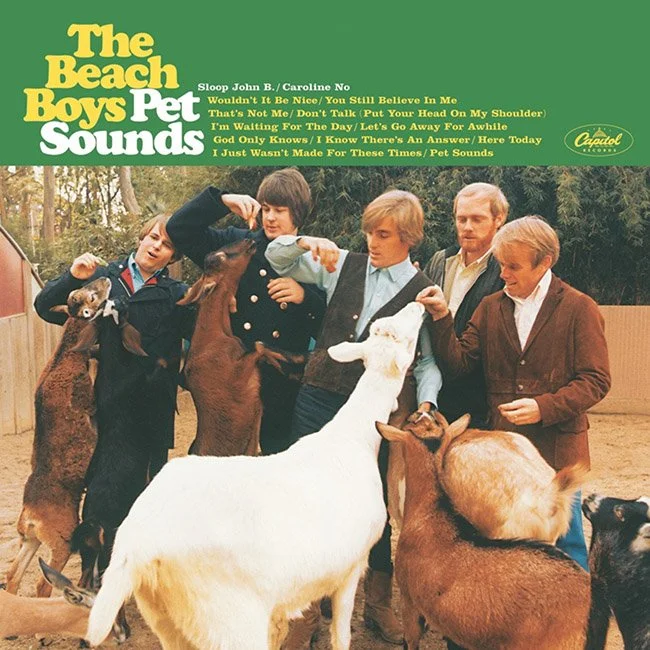
1. The Beach Boys – Pet Sounds (1966)
Produced and arranged by Brian Wilson, and with the aid of lyricist Tony Asher, Pet Sounds by The Beach Boys is an album that ticks so many boxes. It does so simultaneously and at a level that very few albums ever reach. Some albums excel at maybe one or two areas whereas this one quietly masters them all with no filler.
Wilson, inspired by Phil Spector and Rubber Soul, perfectly orchestrates and crafts the music with a razor-sharp attention to detail. Through a modular recording approach and tape editing precision he constructs a sound that is a single emotional statement. The songs explore optimism, doubt, isolation and a fragile sense of acceptance in a clear emotional arc. Expressed with a flowing mood and level of openness rarely heard in pop at the time, or even today.
Pet Sounds was recorded with session musicians, most notably The Wrecking Crew, instead of the band. It embraced unconventionality. Dog barks, bicycle bells, banjos, theremins, harpsichords, and glockenspiels are layered, affectionately balanced into a natural feeling of simple expression that still feels human. That’s all before we get to the harmonies, inspired chord shifts and tempo changes.
Though initially met with confusion in the United States… and by their record label… we roll our eyes again… The UK got Pet Sounds immediately and was widely praised. It is the blueprint for albums like Pepper and OK Computer. Pet Sounds captures a moment with style and heralded Wilson as one of the most important pioneers in modern music. Brian Wilson, a man who just wasn’t made for these times.