
Saying Goodbye to Old Futures
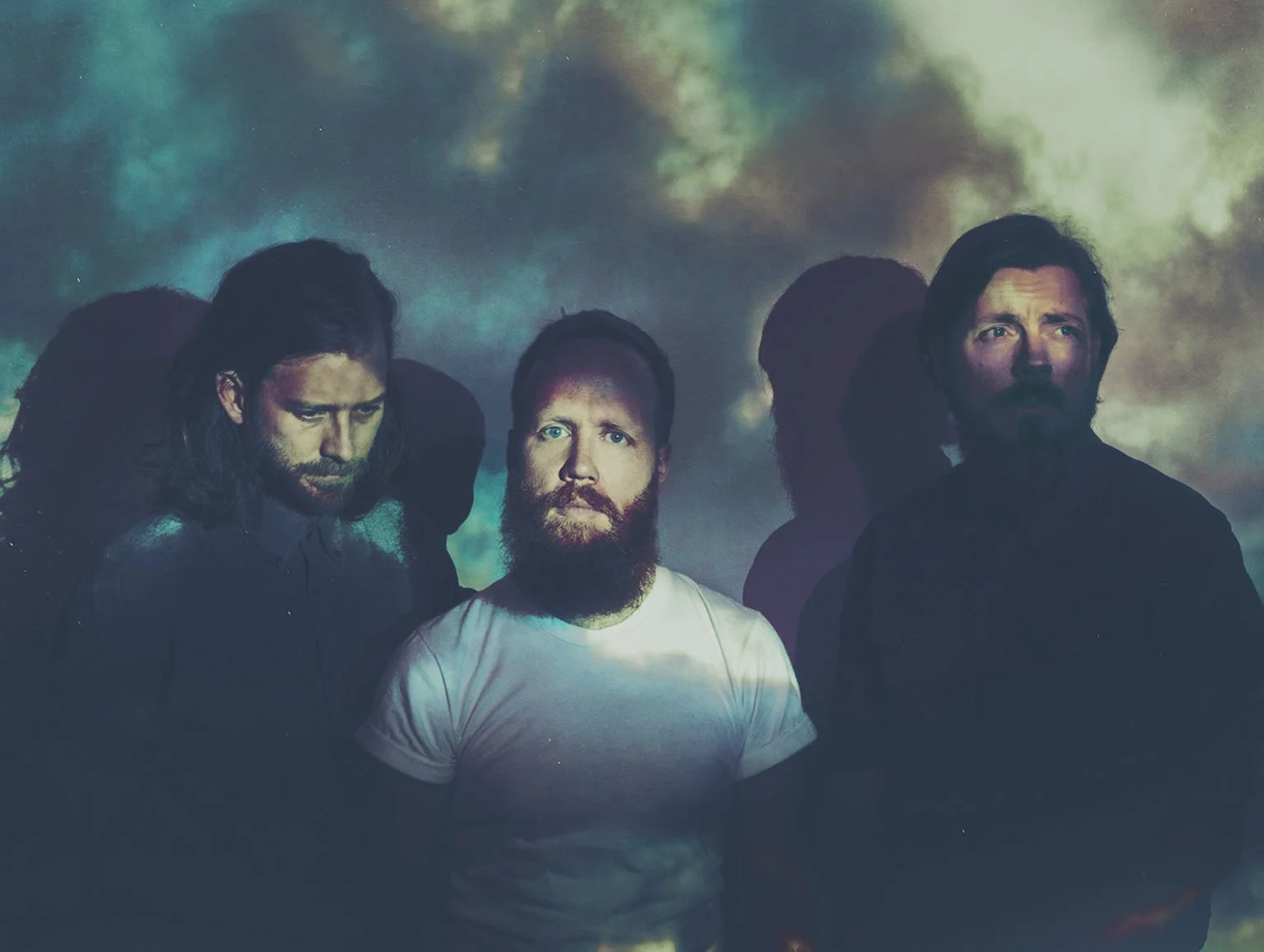
Photo by Wilk
The General Assembly return with Goodbye Nostalgia, an album that wrestles with loss, renewal, and our place in the natural world. We caught up with Matt Wicking to talk about the record's themes, the making of "Crow," and how nearly a decade of change shaped the band's latest chapter.
You mention that Goodbye Nostalgia is about letting go of “old futures.” Care to elaborate?
I’m both fascinated and alarmed by this moment we’re in as a human species. We’re lying to ourselves, rapidly destroying the conditions for life on Earth while pretending it isn’t happening. On the title track, I sing: "Don't talk to me about the future / Don't talk to me about the past / Neither one will ever last." I’m talking about the visions of the future we carry in our cultural imagination: futures where technology rules, where humans are at the centre of life, where we continue infinite growth on a finite planet. Those dreams of the future need to die in order for us (and other life) to survive.
There’s a real push and pull between organic instruments and electronic textures on this record. How did you arrive at that sound?
When we made our first EP back in 2010, we were essentially an acoustic duo but with much wider taste in music (electronica, trip hop, ambient, shoegaze, indie, you name it). So when we recorded, we added layers: a drum machine, percussion, bass guitar, electric guitar, and effects. It led to an atmospheric sound that mixed organic and synthetic, old and new.
I love that our music reaches back to a deep folk storytelling tradition while living in the present, with synths and beats, electric guitars and electronic soundscapes. Nowadays, the band includes D.A.Calf and Paul Raine, two talented multi-instrumentalists who can make any soundscape or atmosphere we want, which is pretty special.
“Crow” is one of the album’s most thought-provoking songs, particularly with its references to Kulin languages and Indigenous knowledge. What experiences led you to write it?
There’s a large black bird here in Victoria, Australia (Kulin Nation land) where I grew up. We call it a “crow.” It wasn’t until I was well into adulthood that I learned the bird has another, much older name. In the Indigenous Kulin languages (60,000 or more years old), they’re referred to as Waa, Waang, or similar. Learning those ancient names made me feel silly, and got me wondering what else I’d missed.
In the song, I find a black feather, hold it up to the sky, and everything goes black. Then I sing of a man on a burning branch, match in hand, destroying the thing that supports him. He represents my culture, blindly destroying nature while pretending nothing is happening. Black birds circle overhead and gather on a nearby rooftop, witnessing.
It’s been almost a decade since Vanishing Point. Do you hear a different songwriter when you play that record today?
Yes and no. Those songs share common threads with the new stuff. I sometimes say that if our music was a colour, it’d be deep green. Everything we’ve ever released is about our relationship with the rest of nature.
But the tone is different now. On our first album, I felt angrier, more frustrated ("When muddy water fills your lungs, you’ll know that we were right"). I think there’s more peace on the new record, a little more radical acceptance of what’s happening ("Let the tide take your dreams / Let the sand hold your bones"). I’m still curious, I’m still searching, and still on the same path. But hopefully a little further along, and a little wiser for my life experience.
You had to step away from music for a while after your ME/CFS diagnosis. How much of Goodbye Nostalgia do you think exists because you went through that experience?
That experience definitely shaped this record (and contributed to such a long break between releases!). But, yeah, some of the songs directly reflect it.
“Blood Returning Back” is about chronic ill health, about losing access to parts of your identity, and longing to come back to life with the support of nature. The title track is about finding ways to carry on in the face of unthinkable loss (at personal and/or planetary scales). And “New Morning” is about the pain we add to pain, when we add frustration to sickness, disappointment to loss, anger to difficult circumstances, and about the ease that comes with letting that extra layer of pain go.
I wouldn’t wish it on anyone, but listening to my body through traumatic chronic health has offered insights that definitely shine through in this new music. That’s part of what makes the difference in tone from our last album to this one. The relative peace I’ve found is hard won.
If someone found Goodbye Nostalgia buried in the ground 200 years from now with no other context, what do you hope they’d assume humanity was trying to say through it?
I hope they’d hear someone asking something like: What if a crisis isn't just something to survive, but an invitation to come home; to ourselves, each other, and the rest of the living world? And I would hope that, by then, we’d have seen how far we strayed from our true place of belonging in nature, and returned to a culture that’s more aligned, as it actually has been for the vast majority of human history.
I guess I also hope some people would just enjoy the songs and the poetry. You can engage with music like ours on so many levels, and I reckon that’s part of the beauty of it. It depends on who picks it up and what they hear. But there are layers there for those who are willing to dig. I’ve always loved music like that, and it’s what I’m inspired to create.