
Indie Label Spotlight: Easy Does It
Independent record labels are often forced to balance instinct with survival. Algorithms move faster than artist development, attention spans get shorter by the day, and music can easily disappear into what Easy Does It calls “the digital ocean.” Despite all of this, the label continues to believe in the long game: building artists patiently, trusting taste over trends, and creating music with lasting emotional weight.
In this Indie Label Spotlight, we spoke with the Easy Does It team about artist development, the importance of identity, why songs still matter, and what the modern music industry still gets wrong. Along the way, the conversation expanded into something larger: a discussion about authenticity, culture, and why, in their words, “you can’t microwave depth.”
What separates a “good” artist from one you’d actually invest in?
There are a lot of good artists. Good songs, good voices, good live shows, good aesthetics. The ones I’d actually invest in usually have something a little harder to explain. There’s a point of view. You can feel that they’re not just trying to participate in culture, they’re trying to add something to it. For me, it’s usually a mix of songs, identity, work ethic, and instinct. Do they know who they are? Are they making choices that feel specific to them? Are they evolving? Are they building a real world around the music? I’m less interested in artists who feel perfectly assembled. I’m more interested in artists who feel undeniable in some raw, human way. Sometimes that’s the voice. Sometimes it’s the songwriting. Sometimes it’s the live show. Sometimes it’s just that strange electricity where you think, “There’s something happening here.” At Easy Does It, we’re still an indie label, so we have to really believe. We’re not signing something just to fill a calendar. We have to feel like we can help build something meaningful with the artist.
When it comes to signing an artist, do you trust your gut or the data?
Gut first. Data second. Data is useful, but it usually tells you what has already happened. A&R is often about sensing what might happen next. That’s the fun part. That’s also the scary part. Obviously, we look at the numbers. Streaming, socials, ticket sales, engagement—what markets are reacting—all of that matters. But if the music doesn’t move us, we don’t want to talk ourselves into it because of a metric. The best scenario is when your gut and the data start arguing in the same direction. Maybe the artist has a song that’s starting to connect, there’s a small but obsessive audience, or the live show is clearly converting people. That’s when it gets exciting. We still believe taste matters. Instinct matters. Being early matters. If you only follow the data, you’re probably already late.
What role do you think a label should play in an artist’s career today?
A label should be a partner, not a machine. The old idea was that a label discovers you, signs you, tells you what to do, and pushes the button. That doesn’t really work anymore, especially in the indie world. Artists are more self-sufficient now. They’re often already making the music, building their audience, creating the visuals, handling their own voice online. So the label’s job is to amplify, organize, protect, and expand what’s already authentic about the artist. Help them make smart decisions. Help them avoid bad ones. Bring resources, strategy, relationships, and perspective. Sometimes that means distribution. Sometimes it’s marketing. Sometimes it’s helping them think through a release plan, visuals, vinyl, press, touring, sync, or simply which song should come next. That said, the most important thing is trust. The artist should feel like the label is making the vision clearer, not sanding it down.
What does a “successful release” look like to you, beyond numbers?
A successful release should move the story forward. Of course, you want the numbers to be strong. You want streams, playlisting, press, sales, social traction, whatever the goal is. But not every meaningful release explodes on impact. Some releases deepen the audience. Some sharpen the artist’s identity. Some help define the next chapter. To me, success can look like people discovering the artist for the first time and immediately understanding the world they’re stepping into. It can be a great live reaction. It can be fans singing lyrics back. It can be a vinyl pressing that feels like an artifact. It can be one important music-writer, content creator, booking agent, or another artist becoming a real believer. A release should create momentum, but it should also create meaning. The worst thing is when music just gets thrown into the digital ocean with no real intention behind it.
What’s something you’ve had to unlearn about the music industry?
I worked at indie and major labels, they all taught me invaluable lessons. When the landscape began to shift, I had to unlearn the idea that there’s one correct path. For a long time, the industry trained you to think in a very linear way: get signed, get radio, get press, get the tour, get the hit. That still exists in some form, but it’s no longer the only road, and for a lot of artists it’s not even the best road. Some of our ethos is derived from those legacy labels like 4AD, Sub Pop, Touch & Go, Sire, Dischord, Creation, etc. I’ve had to unlearn the idea that legitimacy always comes from traditional gatekeepers. Sometimes the most important thing is not whether the industry has caught up yet, but whether real people are responding. I’ve also had to unlearn speed. The culture moves incredibly fast, but artist development still takes time. We have an artist that has been grinding the touring and social media landscape for two years. He's just now starting to see his hard work beginning to open doors. We're still just scratching the surface. You can’t microwave depth. The artists that last usually have roots, not just reach. We try to encourage the long-game of thinking.
What kind of music excites you now that maybe wouldn’t have a few years ago?
I think we're more open now to music that doesn’t announce itself immediately. There was probably a time when I was more drawn to the obvious “single,” the thing that hits you over the head right away. I still love that when it’s great. But now we get really excited by artists who reveal themselves slowly. Songs that create a mood. Records that have atmosphere. Artists who are building a whole language, not just chasing a hook. I’m also excited by music that blurs lines without feeling calculated. Indie rock that has a little country dust on it. Americana with sharper edges. Pop songs hiding inside noisy guitars. Singer-songwriters who are not afraid of texture. Bands that feel like they could've existed three decades ago -- let alone in a basement, a club, or on a much bigger stage. That in-between space is really interesting to us right now.
What upcoming releases are you most excited to reveal?
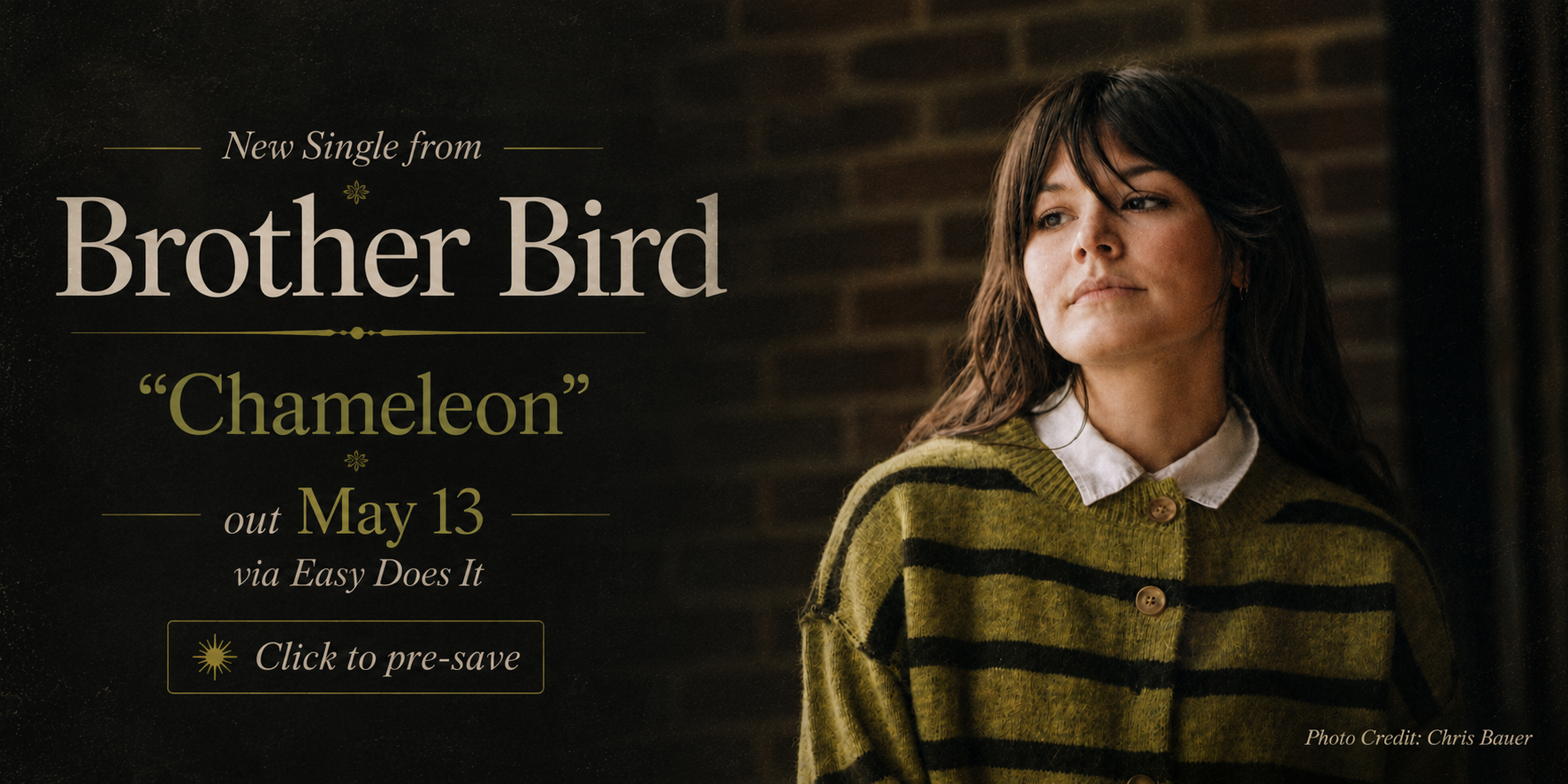
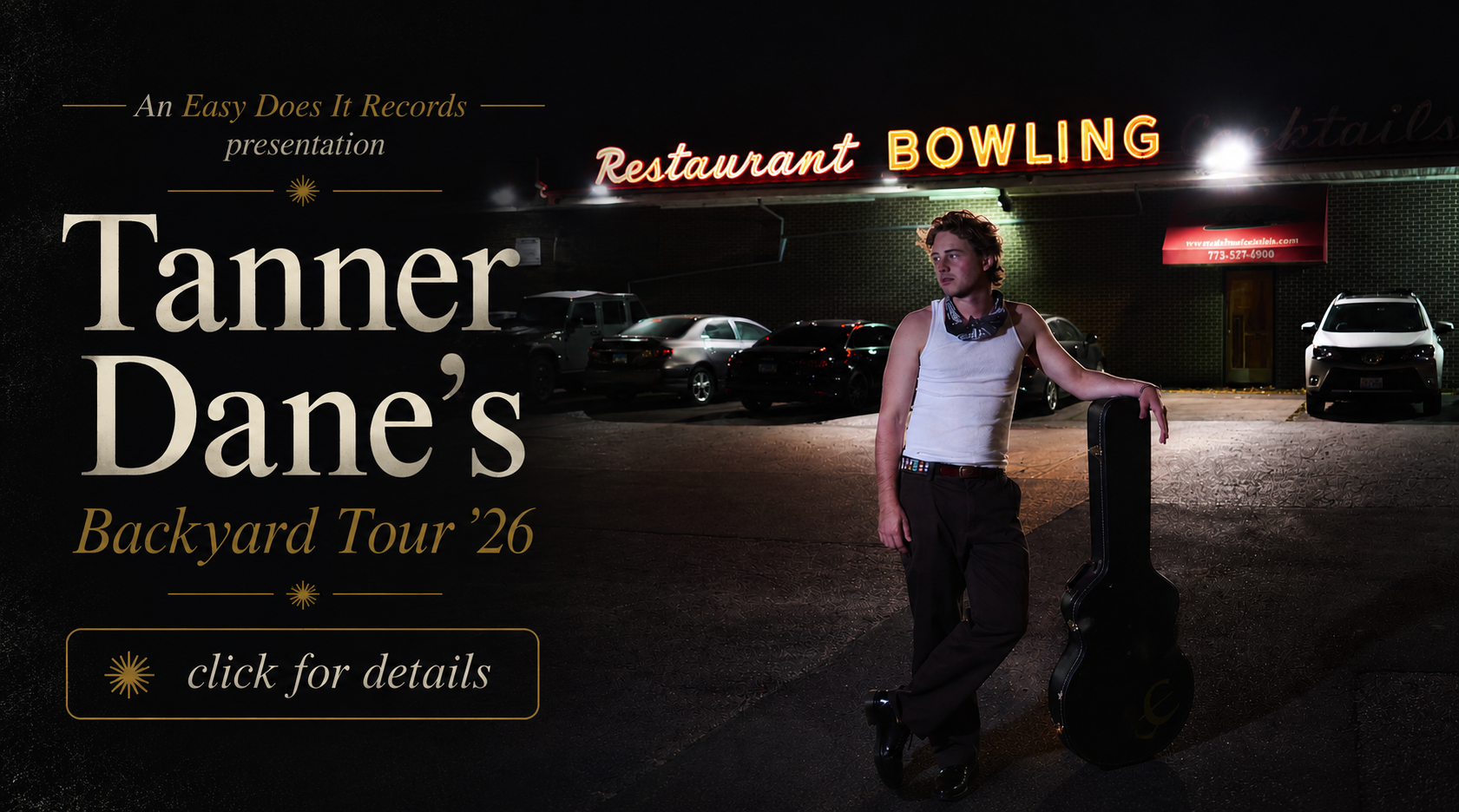
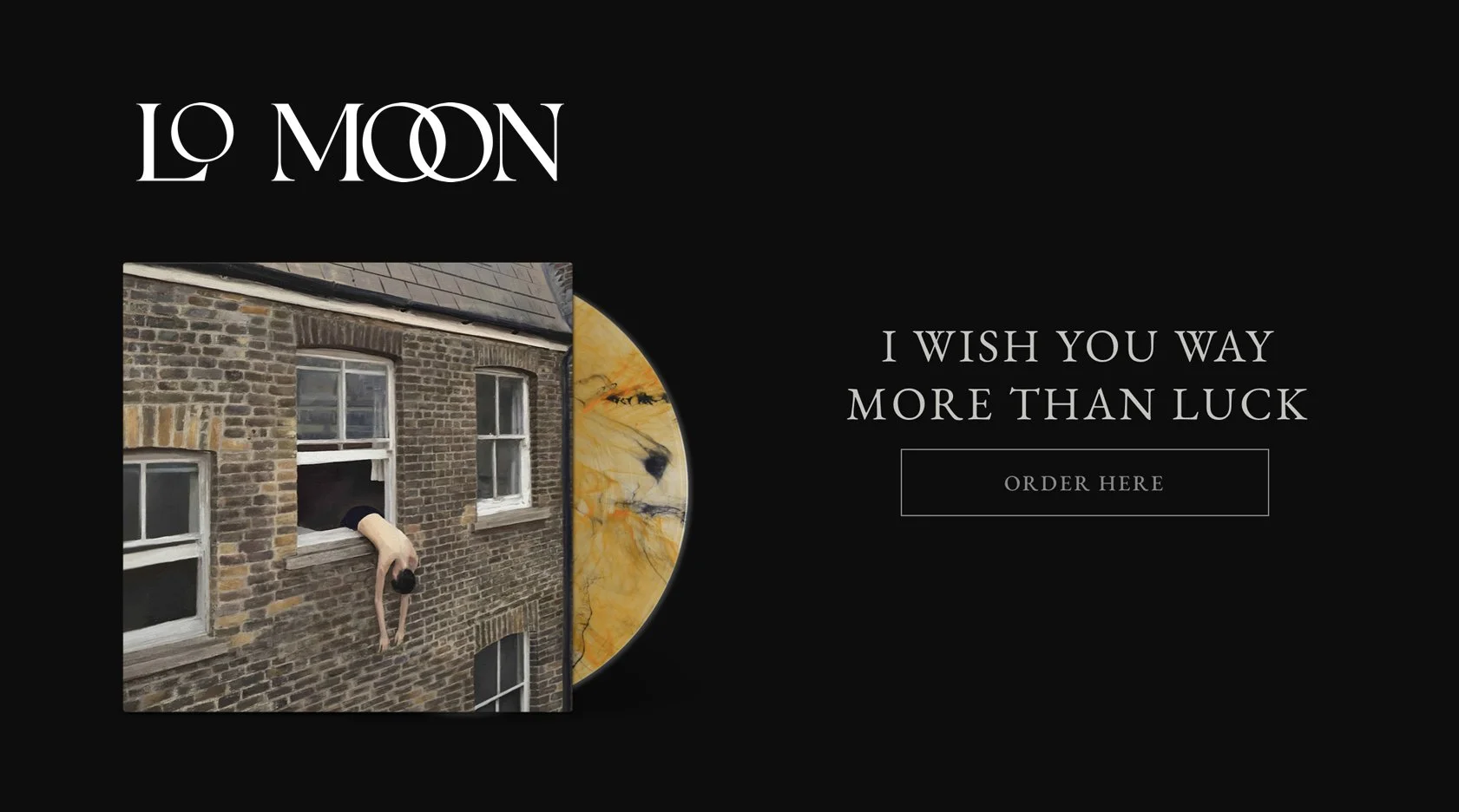
We have a lot coming through Easy Does It that we're excited about. I probably can’t reveal everything yet, but I’m really proud of the range of artists we’re working with. What excites us most is that the label isn’t locked into one narrow lane. There’s indie rock, Americana, left-of-center pop, singer-songwriter material, and artists who sit somewhere between all of those things. That’s the sweet spot for us. I’m especially excited about releases where you can feel an artist stepping into a clearer version of themselves. Allowing that vulnerability to transcend so others can experience it. That’s the best part of A&R, watching someone find the thing that was already there and helping them bring it into focus. We're just getting started. We'll have plenty of surprises. You’ll hear more from artists like Lo Moon, Brother Bird, Ok Cowgirl, Pauli The PSM, Tanner Dane, Share, Savanna Ruth of Burr Oak, and others we’re continuing to build with. There’s a lot of personality in the pipeline.
What’s a hill you’d die on when it comes to music?
Songs still matter. To some that sounds so obvious and overplayed, but I know it gets lost. We talk so much about content, algorithms, rollouts, campaigns, aesthetics, social strategy, and all of those things are important. None of it replaces the song. A great image can make people curious. A great campaign can get attention. But a great song is what makes people care. I’d also say artist development still matters. Maybe now more than ever. The industry has gotten very good at reacting to heat, but not always as good at building something that can last after the heat cools off. We still believe in taking time with artists, helping them grow, and not confusing visibility with impact.
What’s the last song you couldn’t stop replaying?
This changes all the time, which is probably the most honest answer. I tend to get obsessive with songs for a few days and then move into the next little rabbit hole. The other day one of our artists used this expression about music... she gravitates to songs that feel 'lived-in'. I would 100% agree with that. Music that has some dirt under the fingernails but still feels melodic and emotionally direct. I love when a song sounds like it wasn’t over-explained in the room. Usually it’s something unreleased, which is both exciting and annoying because I can’t always talk about it yet. That’s one of my favorite parts of doing A&R. You get to live with songs before the world does. Sometimes it’s a rough mix, sometimes a demo, sometimes a voice memo with one line that won’t leave you alone. Those are the moments that remind us why we still love to do this.
End-of-the-world scenario: you can only keep three records — what are they and why?
Robert English / Co-Founder: Mine would be The Cure’s Disintegration, because if the world is ending, I’m not going out to something that is cheerfully annoying nonsense. I want the soundtrack to sound like the sky is literally falling. It’s an insane album for the moment... or is it? No one is rebuilding society to “Plainsong.” No one is rationing beans to “Closedown” and thinking, “We’re gonna make it, guys.” This is music for staring directly into the void. I once considered this album as a very personal moment of a specific relationship. Now I feel that the record takes on a whole other profound interpretation of many relationships as I grow older. How we do or don't connect anymore as a society. But that’s the point, right? The title-track doesn’t try to cheer you up. It says, “Yes, everything is doomed, but have you considered making it gorgeous?” And honestly, that feels like the correct energy. If the planet is going down, I don’t want optimism. Optimism had its chance and look where that got us. It’s a bleak album. It’s massive, miserable, romantic, and completely unreasonable. The final track on the album, "Untitled," pretty much sums it up. Robert Smith sounds like he just got dumped by civilization itself. So yeah, if the apocalypse comes, give me Disintegration. I’ll be over here, emotionally devastated, and waiting for the inevitable outcome.
Matt DuFour / Co-Founder: If I could only keep one record, it would be Wilco's Yankee Hotel Foxtrot. It's one of the first records I ever worked on in the music industry, back when I was doing specialty radio promo. The story behind it shaped how I think about this business to this day. The label didn't like the record. They asked the band to change it. The band wouldn't budge, bought the record back, and then turned around and sold it to a subsidiary of the same label. The album went on to break the band wide open and launched their career in a real way. That whole arc, watching artists hold the line on their work and have it pay off, is something I've carried with me ever since.I've seen Wilco and Jeff Tweedy play more times than I can count, and I love every record they've made. But this is the one that started it for me. More than 20 years later, I love it just as much as I did the first time I heard it.It's also a Chicago record through and through, and Chicago is where I grew up, where I'm raising my kids, and where I'll always call home. So it's the music, the lesson, the city, and a piece of who I am, all on one record. That's the one I'd keep.
Daren Searcy / Co-Founder: Smashing Pumpkins' Mellon Collie and The Infinite Sadness. No band defined my teens like The Smashing Pumpkins...this DOUBLE album, which followed the commercial success of Siamese Dream, was ambitious and peak Pumpkins. The album pulls you in with a simple piano intro, then spans straight-ahead rock songs, odd harp tunes, borderline metal songs and a couple of skips (it is a double album after all...). Huge singles came out on Mellon Collie: "Tonight, Tonight," "Zero," "Bullet With Butterfly Wings," and "1979." Yes, those are great songs...but the true highlights are the album tracks. "Thirty Three" "In The Arms Of Sleep" and "To Forgive" are musically beautiful and lyrically brutal. "Jellybelly" "Tales Of A Scorched Earth" and "Bodies" are driving rock songs, in all their fuzzy guitar glory. Jimmy Chamberlin solidified himself as one of history's greatest drummers on this album. His jazz chops come through strongly, and he adds flourishes to what could be a simple drum beat. It elevates the songs and helps differentiate the Pumpkins from other bands of the time. Lyrically I think it's Billy's strongest work and his vocals are at their best. I saw the band on their tour for this album when I was a kid, (sadly Jimmy had left due to addiction issues) and it stands out as a core memory. This is my end of the world album, and bonus, it's two albums in one!
At a time when so much of the music industry feels driven by speed, metrics, and short attention spans, Easy Does It continues to emphasize patience, identity, and long-term artist development. Throughout our conversation, the label spoke candidly about trusting instinct, building genuine relationships with artists, and creating releases that leave a lasting emotional impact rather than simply chasing short-term attention.
As Easy Does It expands its roster across indie rock, Americana, and left-of-center pop, their philosophy feels rooted in something increasingly uncommon: belief. Belief in songs, belief in artists, and belief that meaningful music culture is still worth investing in.
Connect with Easy Does It: Website | Instagram | TikTok | Facebook
Check out the Indie Label Spotlight archive.