
Dan Pye, an interview
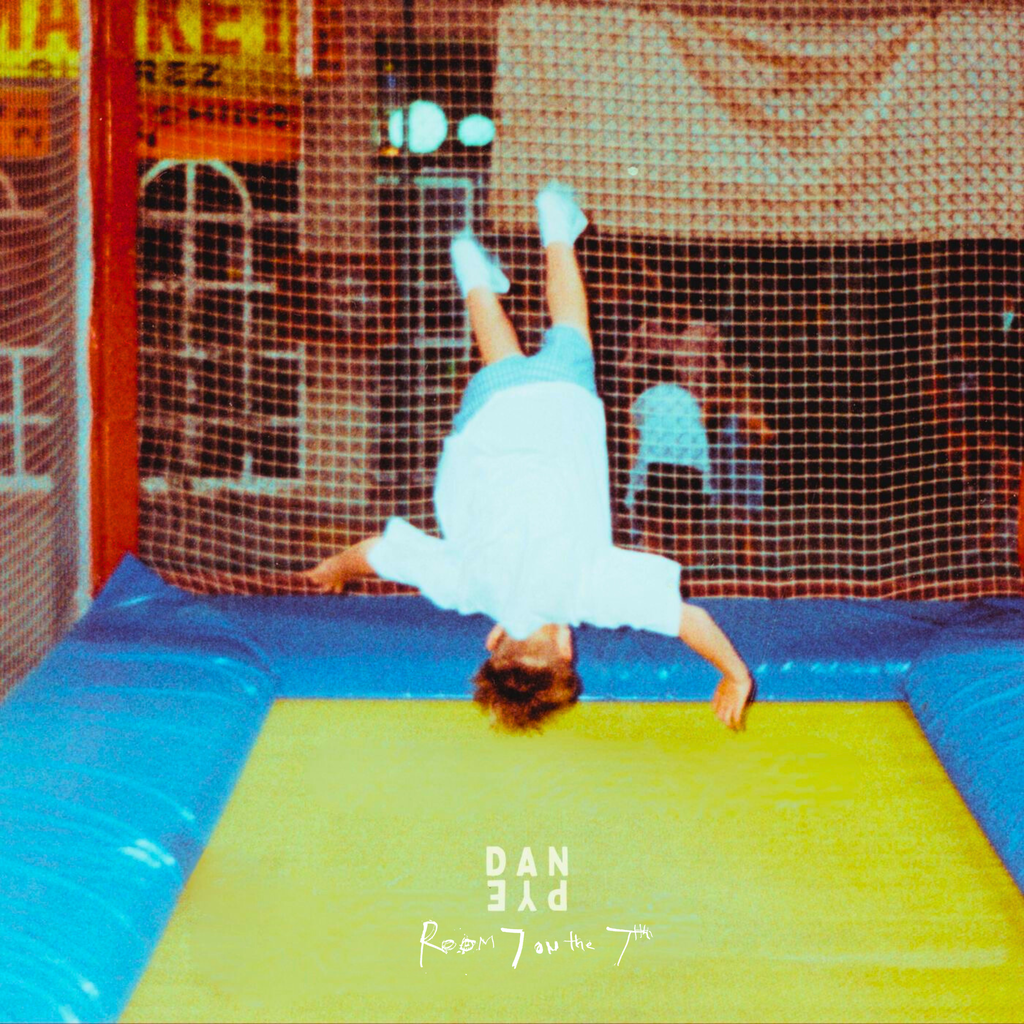
London-based singer-songwriter Dan Pye creates deeply personal music exploring memory, grief, and the connections we hold onto. We spoke with Dan about his debut album Room 7, on the 7th, the story behind its creation, and the year-long journey that brought the project to life.
Your dad’s words, “Meet me in Room 7 on the 7th,” ended up shaping the entire record. At what point did you realise there was an album hiding inside that one sentence?
It was actually a little after we recorded the album that the title arrived. That phrase had stuck with me for many years. After a listening session with my friend and fellow songwriter, Ali, we both felt like the album sounded as if it all lived in one room—which, in fact, it did. He asked me to think of a special location in my life, and I was immediately drawn back to that day on the beach in Lytham St Annes, and the vision of my dad, adamant that we all had to “Meet in Room 7, on the 7th.”
It was a bit of a lightbulb moment. As I said the words, Ali plucked them out of the air and suddenly everything clicked. Room 7, on the 7th had been with me most of my life, and I’d often think back to that time, especially after Dad died.
The truth is, Dad was quite unwell when he spoke those words, almost in a trance-like state. It had a profound impact on me and the events that followed. This project felt like a chance to find a new meaning in that sentence—a chance to keep the conversation between us going and create a space where we could always meet.
Releasing one song at a time over an entire year is fairly unusual these days. What made that feel like the right way to tell this story?
Once I had the title and the track order had revealed itself, the release plan just became obvious. This wasn’t a typical album; this carried family, grief, and all the things I hold closest. I didn’t feel like I could tell the story in a single moment. Each song held a specific part of that journey through grief.
I began building the project entirely around the number seven, so the 7th of each month became a marker. With pieces arriving every seven days, it became a ritual. I mapped out the dates, assigned a track to each month, and then came the artefacts—the paintings, masks, and tapes. Everything I used had a purpose, from the old cameras to the cassettes. It was all by design, but somehow it only revealed itself as I began walking the path. I had no idea how it would all turn out or what it would look like by the end. That was the mystery.
This wasn’t a marketing strategy. I wanted to move slowly in a fast world. It was a way for me to slow down, reconnect, and, in a lot of ways, heal the parts of me that broke the day Dad died.
“Funny Way of Dying, Kid” is about all the little losses we go through before the big ones. Was there a specific moment or memory that sparked the song?
The song was sparked by the night my Nan died. My family had gathered in the kitchen, and my youngest sister, who was only about nine, came downstairs because she sensed something was wrong. We had to tell her the truth, and in that moment I saw grief in its rawest form.
The rest of the song moves backwards through my own youth: the music that first awakened me, early bands, concerts, alcohol, ambition, and all the romantic ideas young people can have about living intensely and being remembered. It begins with “Carter’s not a criminal,” a reference to the first Bob Dylan song I remember hearing, and then travels through different chapters of adolescence. The chorus almost plays with the mythology of the doomed artist—the dramatic ending, the idea that at least a life might become a story.
Then the final verse is where imagined death gives way to real death. There is nothing romantic about having to tell a child that someone she loves is gone. That moment changes the meaning of everything that came before it.
So I think the song is about the difference between the ways we imagine death when we are young and what grief actually feels like when it enters the room. My Nan is at the centre of it, but the song also contains all the earlier versions of me that she lived through and witnessed. In that sense, she still lives inside it.
This project goes far beyond the music with films, zines, artwork, and even handmade etchings. Did all of that come naturally, or did you initially set out to make something much bigger than an album?
I didn’t set out to make anything more than an album. At first, we were simply trying to make a record. The wider project only began to emerge once the title gave me a physical place to inhabit. Then the ideas came.
First came the zines, which grew out of my love for art and lyrics existing as one piece; they became the physical holders for the music. The cassettes came from my dad, who first taught me to write songs using his old tape recorder. I wanted to honour that by hand-pressing my own cassettes, with the zines becoming the artwork for the tapes.
The copper plate was something I’d always wanted to make in William Blake’s style of relief etching. Blake’s work helped me when I was younger to understand and process my father’s mental illness, so it felt fitting to end these offerings by making a relief-etched print using his methods. All of those physical acts took a long time and were extremely healing for me. Each one was handmade with real love, and I hoped people would feel they were taking a piece of Room 7, on the 7th home with them.
Then there are the masks and the films. During the ritual, I travelled back to locations where I’d been with my father throughout his life. Filming there felt like time folding in on itself, or a way to keep us in conversation somehow. They became documents of the journey.
Because this is a ritual, I made the masks for the live gatherings. I wanted guests to be able to take photos with them at the shows as a way to become part of Room 7 themselves; I saw them as the guardians of the space. They came from the song “Devils in the Ground,” where I wanted to represent different ideas of warding off evil spirits. I used all found materials: one is made with shells collected from the west coast of Ireland, one from wood collected in Lewes, and another from feathers found in Blackheath. It’s all to symbolise real places tied to the wider lore of the record.
These songs deal with some deeply personal things. Has playing them live changed your relationship with the memories and emotions behind the music?
Yes, playing them live has changed things completely. They began with me alone in a small studio, trying to work through grief in the only way I knew how. I worried that their personal nature might feel heavy for an audience, but from the first time I performed them publicly, they felt strangely uplifting.
There was hope in sharing them, and in the connection that formed between the songs and the people listening. The live shows have been incredibly special, not only because of the audiences I’ve met, but because of the amazing musicians who came together to bring the record to life. Each of them supported the project, and playing these songs has brought us closer as friends.
My relationship with the songs has shifted. What initially felt private and isolating now feels connected to something much larger: a shared human experience of grief, memory, and carrying people with us.